Home > Resources > OEM Knowledge
How to Build an OQC Sampling Plan for Gaming TWS Earbuds
A buyer guide to outgoing quality control for gaming TWS earbuds, covering lot definition, sampling, four-part system checks, acoustic curves, charging, packaging and release evidence.
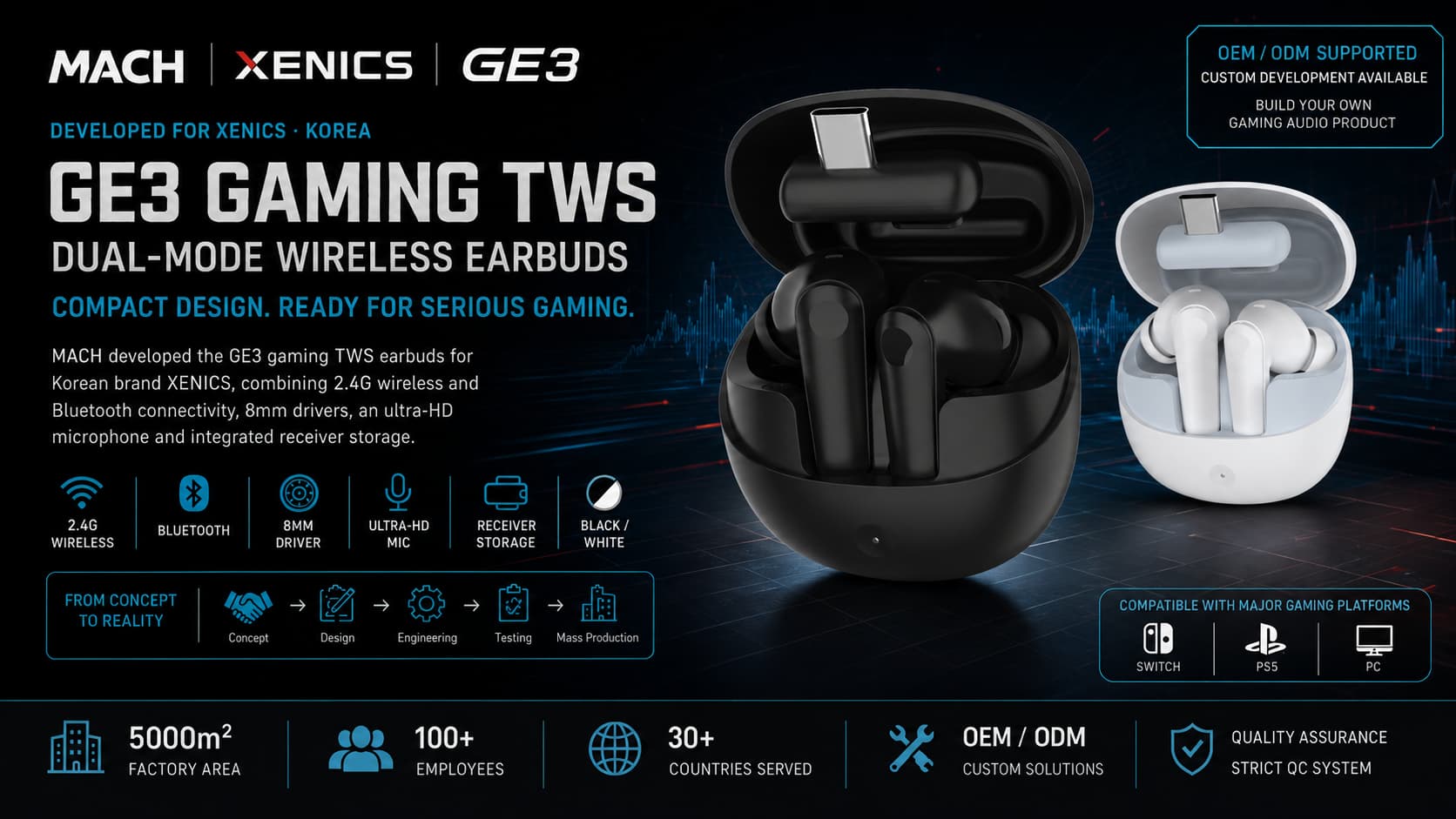
Gaming brands should build an outgoing quality control plan for TWS earbuds by defining the shipment lot, sampling method, inspection level, defect classes, acceptance rules and functional tests before production begins. The plan must inspect the earbuds as a complete user system: left earbud, right earbud, charging case and 2.4GHz Type-C receiver. Appearance alone cannot confirm pairing, acoustic balance, microphone operation, charging, wireless distance, touch controls, accessories or pack-out accuracy.
The GE3 Korea OEM project provides a practical production reference. Its public OQC delivery report records a submitted quantity of 2,000 units and a sample of 125 for black and white TITAN GE3 products under General Inspection Level II. The recorded checks included appearance, logo printing, function, pairing name, speaker and microphone curves, Bluetooth distance, charging, packaging, accessories and final review. This article does not copy that case report or present its sample as a universal rule. Instead, it explains how buyers can turn product risks and shipment requirements into a repeatable OQC release plan.
Public GE3 materials record MK013C-2.4G, Bluetooth 5.4, a Type-C 2.4GHz receiver, a source-manual 40ms statement for that connected mode, a 13mm speaker, 2718 microphone, touch control, 40mAh earbud batteries, a 400mAh case and two colors. Each creates a shipment check.
Why Gaming TWS Earbuds Need a Dedicated OQC Plan
Gaming TWS earbuds combine paired audio devices, a charging case, firmware and a receiver, so shipment inspection must evaluate interactions that do not exist in a conventional single-piece audio product.
A cosmetic check can find color variation, gaps, contamination or logo defects, but it cannot prove that both earbuds wake, pair with each other, connect to Bluetooth, switch to the receiver path, charge correctly and return to the case without intermittent behavior. TWS inspection therefore needs system-level scenarios as well as part-level workmanship checks.
Gaming positioning adds another layer. A Type-C receiver introduces identification, physical fit, wireless link and accessory-control risks. Low-latency claims need a defined mode and method. Touch controls, voice prompts, battery display and automatic reconnection should follow the released firmware. Packaging must include the correct receiver and instructions for the intended SKU.
The buyer should decide which checks apply to every sampled retail set, which require dedicated test fixtures, which are verified through process records and which need periodic reliability evidence. OQC is a final release gate, not a substitute for incoming inspection, in-process quality control, engineering validation or applicable compliance work.
| Quality layer | Primary purpose | Typical GE3-style evidence |
|---|---|---|
| Incoming quality | Control components and materials | Speaker, microphone, battery and molded-part criteria |
| In-process quality | Catch assembly and firmware problems | Pairing, charging, touch and workmanship records |
| OQC | Decide whether a finished lot can ship | Sample results, defects, disposition and release signature |
| Reliability or aging | Evaluate behavior over defined stress or time | Controlled test conditions and result records |
GE3 Korea OEM Project Overview
GE3 was a Korea-market low-latency gaming TWS earbuds program linking Bluetooth 5.4, a Type-C 2.4GHz receiver, acoustic components, dual-color execution and shipment-level OQC.
The public case identifies a Korea gaming brand, importer and distributor project. Source records use GE3 in the case card, MK013C-2.4G in the product specification and TITAN GE3 in the OQC delivery report. A controlled model cross-reference is important because engineering, pairing, retail and inspection identities may differ without being interchangeable.
The specification records a Jieli AC7003D4 platform direction, Bluetooth 5.4 with HFP, HSP, A2DP and AVRCP profiles, a Type-C receiver for 2.4GHz game mode, at least 10m effective Bluetooth range in open space, auto reconnection, touch control, battery display and Type-C charging. The source manual states 40ms for the connected Type-C game mode; buyers should treat that as configuration-specific source information, not a promise for every device and test method.
Acoustic direction includes a 13mm 32-ohm speaker and 2718 silicon microphone. The speaker approval sheet identifies model 1368-D32, bamboo-fiber diaphragm direction and stated sensitivity and reliability items. Battery direction includes 40mAh per earbud and a 400mAh charging case. Black and white color versions, logo printing, receiver presentation and retail packaging were part of the execution scope.
The OQC report records order XEN-MAC-241210-1, 2,000 submitted units, 125 sampled units, General Inspection Level II and an accepted result dated March 5, 2025. Those facts describe one documented lot. They do not establish a default sample size or acceptance rule for every future order.
Buyer Challenge: A Passing Earbud Is Not Always a Passing Retail Set
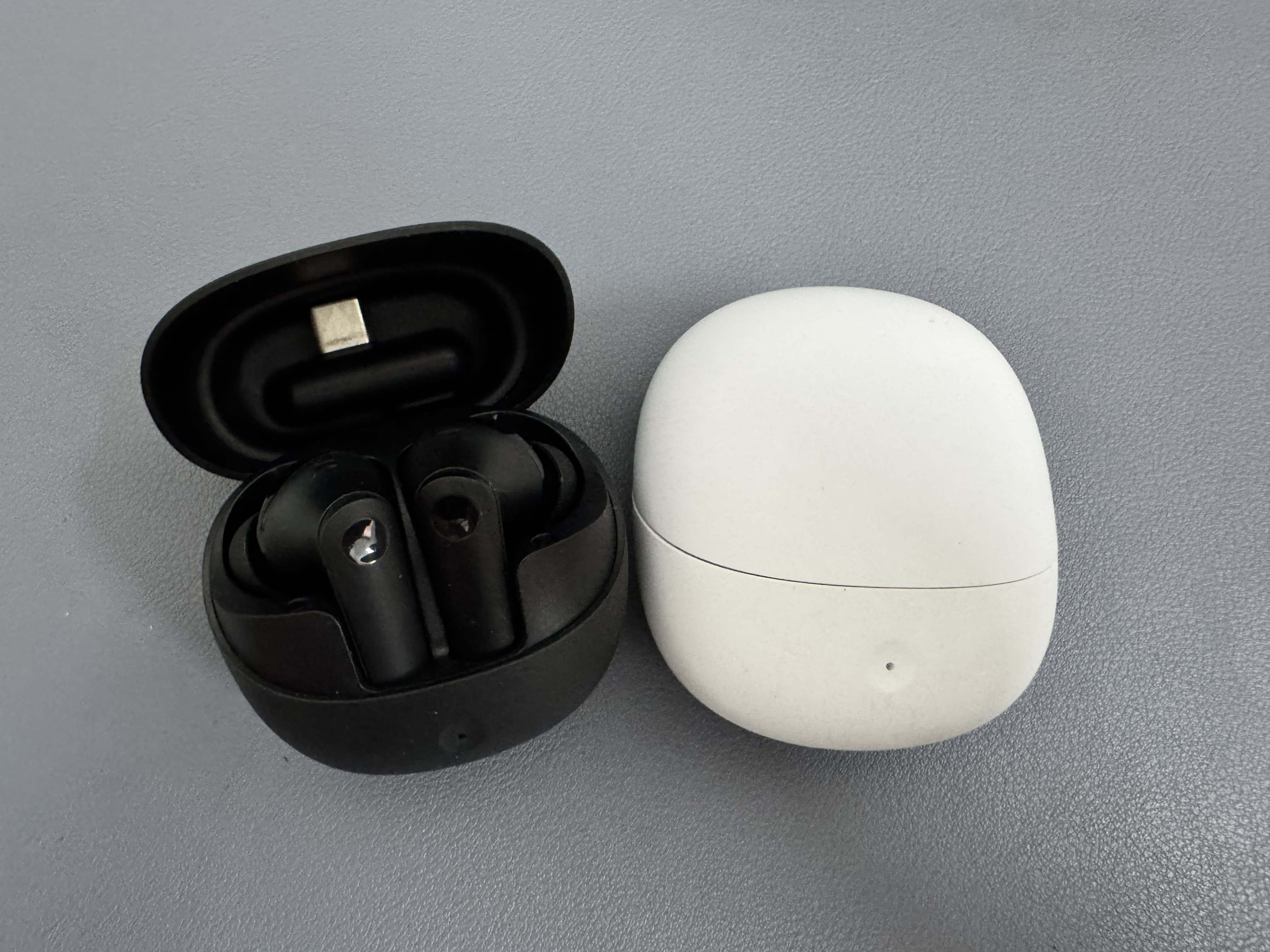
A retail set can fail even when both earbuds play audio because the case, receiver, pairing identity, accessories or packaging may not match the approved SKU.
The left and right earbuds must operate individually and as a synchronized pair. A channel imbalance, microphone inconsistency, touch mismatch or reconnection problem can be hidden by a short music check. Inspectors need a defined sequence that exercises the intended controls and connection modes rather than confirming only that sound is present.
The charging case introduces contact alignment, case-battery, indicator, lid, hinge and charging-input risks. Earbuds can pass an immediate function test but fail to charge reliably after insertion. The receiver can be missing, cosmetically wrong, physically damaged, incorrectly paired or packed with the wrong color SKU.
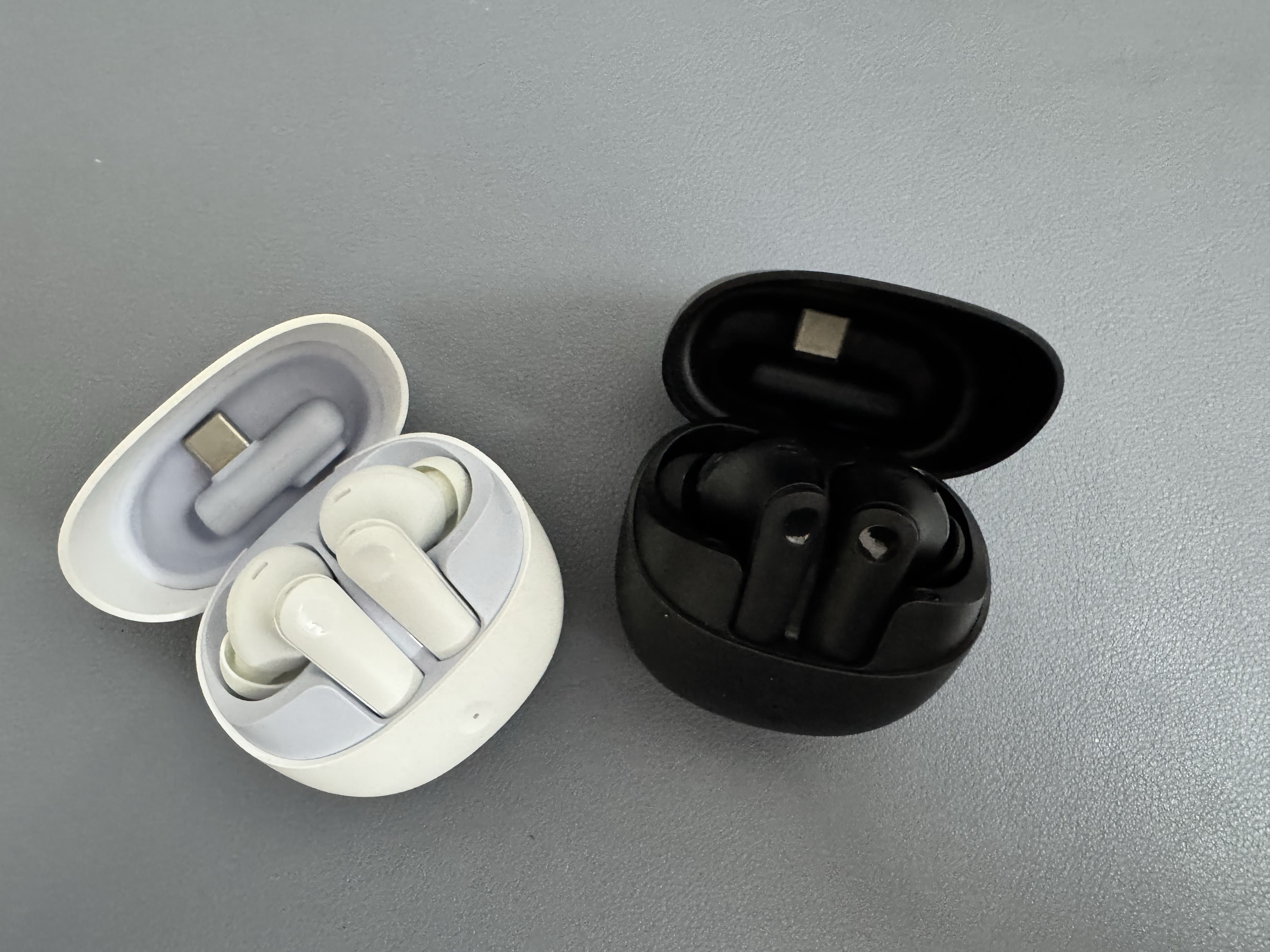
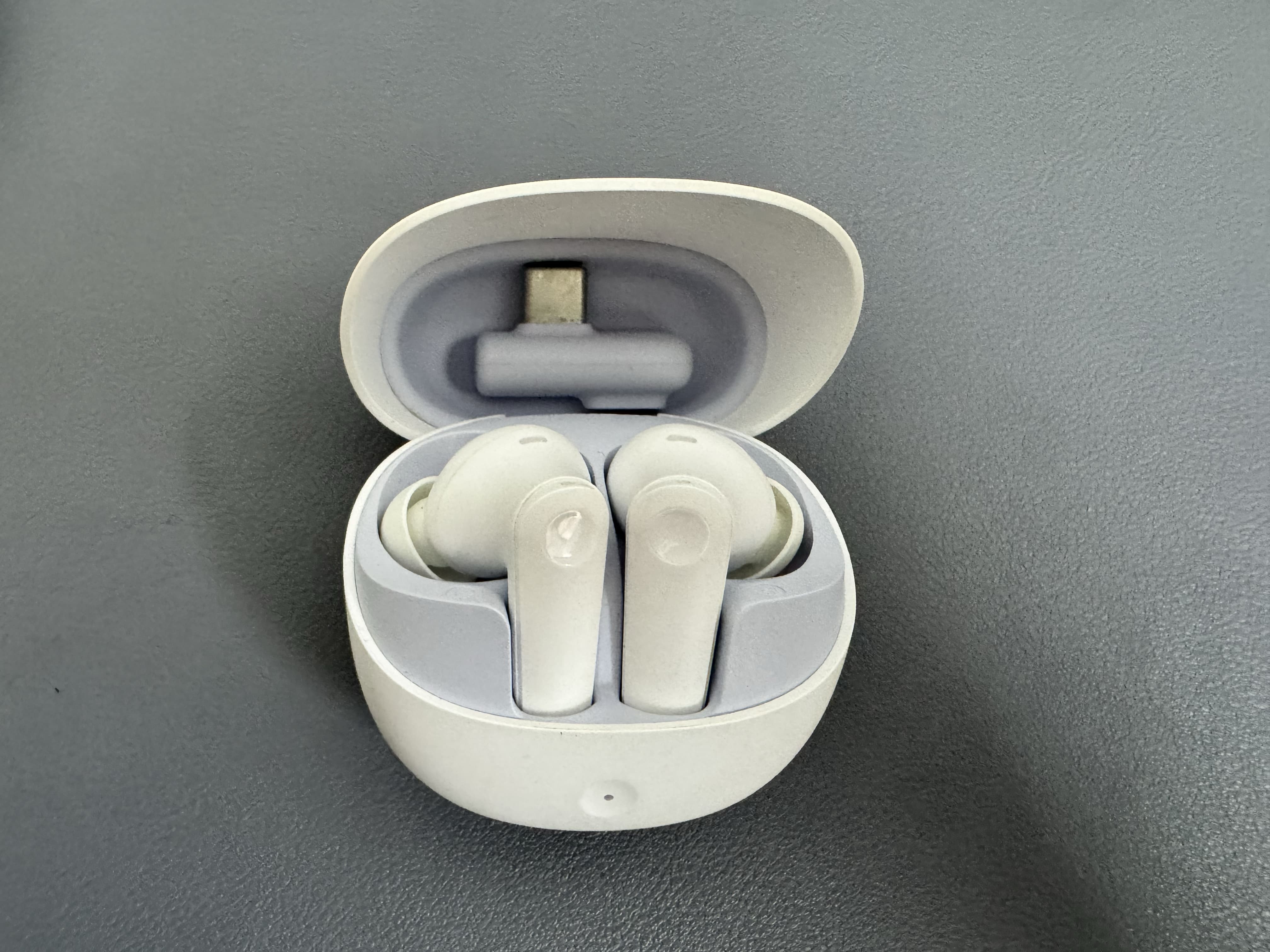
Black and white variants also increase pack-out risk. Earbuds, case, receiver, printed artwork, barcode, manual and outer carton must belong to one released variant. An OQC plan should therefore identify the retail set as the inspection unit and define part-level and system-level defects inside that unit.
How MACH Connected Product Requirements to Delivery Inspection
MACH aligned the GE3 engineering specification, acoustic evidence, user operations, color variants and packaging requirements with an OQC checklist for shipment release.
Requirement review separated the core platform from customer-facing identities and options. The team tracked GE3, MK013C-2.4G and TITAN GE3 references while confirming Bluetooth, Type-C receiver mode, touch controls, pairing name, acoustic parts, batteries, colors, logo and packaging.
Engineering and quality support covered compact TWS structure, PCB and RF stability, antenna review, acoustic component confirmation, tooling and production preparation. OQC then checked finished-product evidence including appearance, logo, function, pairing name, speaker and microphone curves, Bluetooth distance, charging, packaging and accessories.
The project also included aging-test review. Public notes describe a full-charge condition, 100 percent volume, 2.4GHz connection to a laptop and a recorded charging-time note of 1 hour 45 minutes. Such records are useful only when test setup, sample identity, start and end criteria and result interpretation are preserved.
OQC should not discover every engineering risk at shipment. Validation defines acceptable performance, production controls the process and OQC samples finished sets for lot release.
Why Gaming Earbuds Must Be Inspected as a Four-Part System
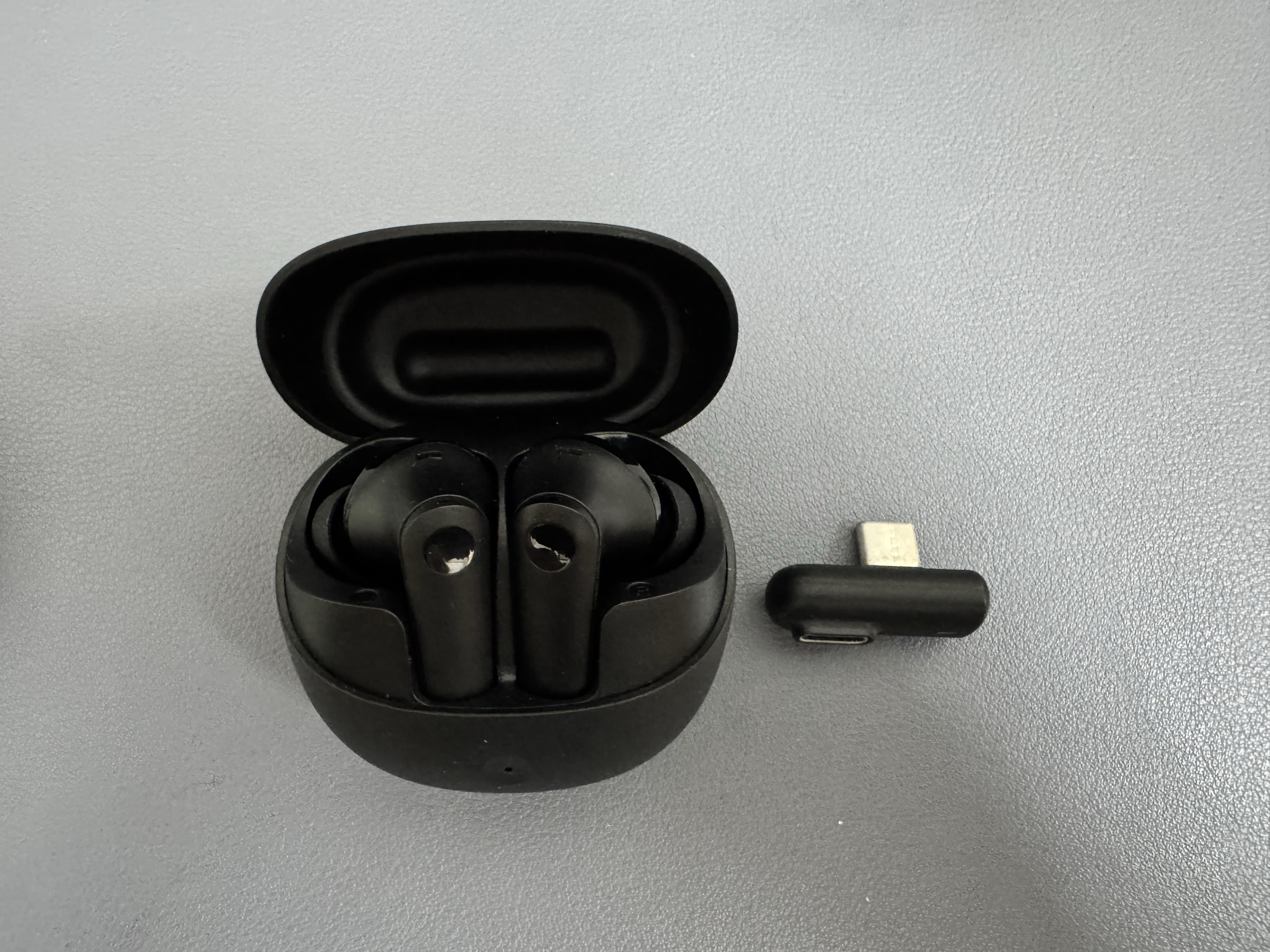
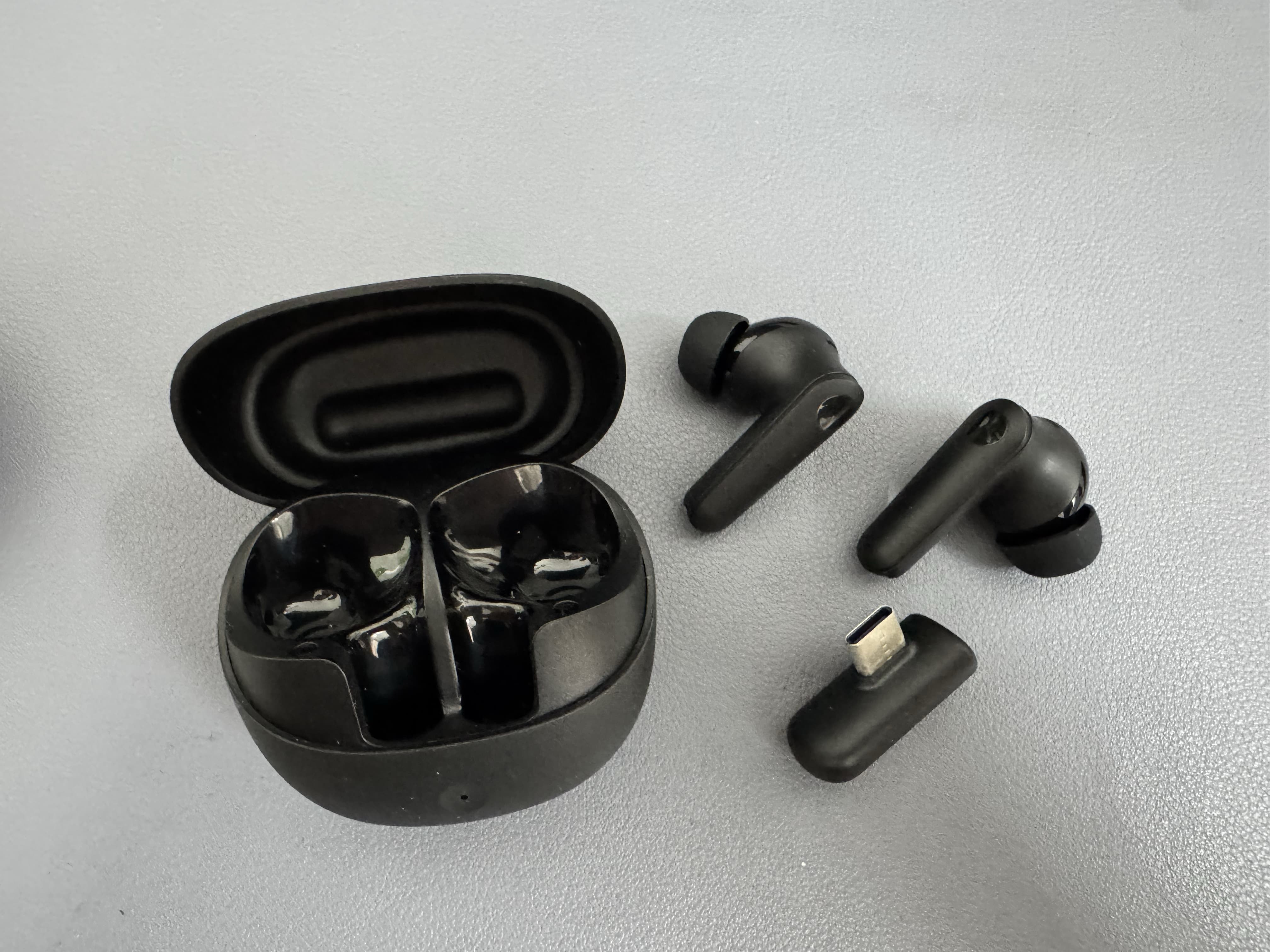
For GE3-style gaming earbuds, the practical product is a four-part system: left earbud, right earbud, charging case and Type-C receiver, all governed by firmware and one retail identity.
Start with the earbuds as a pair. Confirm that each side powers, reports the expected status, pairs into the intended left-right relationship and produces the correct channel. Check audio continuity, obvious imbalance, touch mapping, microphone operation and reconnection using the released sequence. If the product supports single-ear use, define which functions remain available and how the other side rejoins.
Then evaluate the charging case as more than packaging. Confirm earbud seating, contact reliability, indicator behavior, charging input, lid and hinge operation, magnet retention where applicable and safe removal. A quick visual check cannot identify an intermittent pogo-pin contact or an earbud that appears seated but does not enter charging state.
The Type-C receiver needs its own identity and function checks. Inspect connector condition, housing, markings and physical fit. Confirm that the target host recognizes the intended mode under the approved test setup, the earbuds establish the receiver link and audio remains stable during the defined observation. Avoid calling every Type-C device compatible unless the project has a verified compatibility matrix.
Next test transitions. Real users open the case, connect through Bluetooth, insert the receiver, switch modes, answer calls, return the earbuds to the case and reconnect later. Firmware defects often appear during these transitions rather than during steady music playback. The OQC sequence should include the highest-risk transitions without becoming so long that inspectors cannot execute it consistently.
Finally, inspect the four parts as one SKU. Color, logo, pairing name, receiver, accessories, manual, barcode and package artwork must agree. A white earbud set with a black receiver or an obsolete manual is a shipment defect even when every electronic part works. Photographic pack-out standards help inspectors recognize variant errors quickly.
The four-part approach also improves defect reporting. Instead of writing function failure, the inspector records the affected element, connection mode, step, host, symptom and recovery. That detail supports containment and root-cause analysis. It also tells the buyer whether the problem is isolated to one component or indicates a system interaction that could affect the lot.
| System element | Core OQC questions | Typical failure signal |
|---|---|---|
| Left and right earbuds | Pairing, channels, touch, microphone and reconnection | One side silent, mismatched controls or unstable link |
| Charging case | Contacts, indicators, input, lid and retention | Intermittent charging or incorrect status |
| Type-C receiver | Identity, connector, host recognition and link | No recognition, wrong mode or unstable audio |
| Retail set | Color, logo, name, accessories and packaging | Mixed variant, missing part or obsolete artwork |
Technical Deep Dive: What a 125-Piece Sample From a 2,000-Piece Lot Can and Cannot Prove
A 125-piece sample can provide structured evidence about one 2,000-piece lot, but the number alone does not define acceptance or guarantee that every unit is defect-free.
A sampling plan begins with the lot definition. The buyer and manufacturer should agree which production dates, lines, colors, firmware revisions and packaging versions belong to the lot. If black and white units use different materials or pack-out, the plan should state whether they form separate lots, proportional strata or another controlled sampling arrangement.
Next define the governing sampling standard or agreed method, inspection level and defect classes. The GE3 report records General Inspection Level II and a 125-piece sample, but a complete release rule also needs acceptance and rejection criteria for critical, major and minor defects. The public case does not provide a universal AQL or Ac/Re rule, so this article does not invent one.
Sample selection should cover the lot rather than the easiest cartons to access. Define how many cartons, positions and color variants are represented and who selects them. Record carton numbers or other traceability. If the sample is chosen only from the top of one pallet, the statistical plan can look formal while missing production variation.
Not every test has the same sampling burden. Appearance, accessories and basic function may be checked on the full OQC sample. Curve measurement, extended wireless observation or aging may use a defined subset or separate records when justified by the control plan. The report should make each denominator visible so a reader does not mistake five curve checks for 125.
When a defect appears, the disposition process matters as much as the count. Record the defect, sample number, color, component, mode and evidence. Compare the result with the agreed rule, contain affected stock and decide whether sorting, rework, resampling or rejection is appropriate. Do not silently replace a failed sample unit and continue.
Finally, interpret acceptance correctly. A passed sample supports release of the defined lot under the agreed plan; it does not prove zero defects, validate untested compatibility or replace process capability and reliability work. Buyers should combine OQC results with incoming, in-process, functional, acoustic and aging evidence to make a shipment decision.
| Sampling input | Must be defined | Why it matters |
|---|---|---|
| Lot | Quantity, variants, dates and revisions | Defines what the result can represent |
| Method | Standard, level and selection procedure | Makes sampling repeatable |
| Acceptance | Defect classes and Ac/Re rules | Turns observations into a release decision |
| Test denominator | Units checked for each item | Prevents misleading pass-rate interpretation |
| Disposition | Containment, rework, resampling or rejection | Controls the lot after a finding |
From Acoustic Curves to Aging Records: Building Useful Release Evidence
OQC evidence becomes actionable when each result identifies the sample, method, equipment, limits, configuration and disposition rather than showing only a checked box.
For appearance and logo checks, use approved samples, color references, drawings and defect limits. Photograph representative failures with scale and location. Black and white variants may require separate standards because marks, gaps and print contrast can appear differently on each color.
For speaker and microphone curves, define fixture, software, calibration status, positioning, stimulus and acceptance envelope. The GE3 report records curve checks, while the speaker source sheet provides component-level direction. Finished-product acoustic limits should belong to the released earbud configuration rather than being inferred directly from a component sheet.
For wireless distance and receiver operation, record host, environment, orientation, obstacles, mode and pass criterion. Bluetooth open-space distance and 2.4GHz receiver behavior answer different questions. A short connection check cannot validate every latency or compatibility claim.
For charging and aging, identify initial state of charge, volume, connection mode, timing method, end condition and sample identity. Compare results with the approved specification and explain anomalies. Preserve raw records when possible so later complaints or changes can be traced to the tested lot and configuration.
OEM/ODM Development and OQC Release Process
A gaming earbuds project should define its release criteria during requirements and carry them through engineering samples, pilot production and shipment inspection.
At concept stage, define markets, channels, connection modes, receiver, latency objective, acoustic target, microphone, batteries, colors, controls, logo, packaging and intended claims. Create the product identity map before firmware, artwork and test reports begin using different names.
During engineering, validate RF layout, antenna, acoustics, charging, touch UI, firmware transitions and the four-part system. Convert approved results into drawings, BOM, firmware revision, golden samples and measurable inspection limits. Plan any applicable compliance work for the exact final configuration and markets.
Pilot production should verify assembly, pairing, firmware loading, acoustic consistency, charging, variant separation and pack-out. Train inspectors with real pass and fail examples. Freeze the OQC plan with lot definition, sampling, defect classes, test denominators, acceptance rules, reporting and disposition authority.
For mass-production release, select samples across the defined lot, execute the controlled sequence, record findings and reconcile the product, accessories, packaging and shipment documents. Any material, firmware, battery, receiver or artwork change should return to risk review before the next lot is approved.
Buyer Checklist Before Approving a Gaming Earbuds Shipment
Before shipment, the buyer should be able to explain what was sampled, what was tested, which limits applied, how defects were handled and which exact SKU the report releases.
Confirm purchase order, customer model, factory model, pairing name, firmware, color quantities, receiver, accessories, packaging and lot boundaries. Verify that the sample was selected across relevant cartons and variants rather than supplied as an untraceable group.
Review the checklist for appearance, logo, left-right pairing, Bluetooth, 2.4GHz receiver, touch controls, speaker, microphone, charging, distance, accessories and packaging. Confirm the sample quantity for each test and the approved equipment, setup and limits.
Check defect classifications, acceptance and rejection values, actual counts, photographs, rework or sorting records and final authorization. Reconcile OQC with acoustic, aging and production records. Approve shipment only when open findings have documented disposition and the report clearly identifies the released lot.
Frequently Asked Questions
These answers address common buyer questions about OQC sampling, gaming TWS earbuds and Type-C receiver inspection.
The appropriate sampling plan and compliance route depend on the product, lot, contract and destination market. Buyers should approve project-specific criteria with their manufacturer and qualified quality or compliance professionals.
Conclusion
A useful OQC plan releases a defined shipment lot through traceable evidence, not through a generic final-check form.
The GE3 example shows how gaming TWS inspection connects product identity, four-part system behavior, acoustic and microphone evidence, wireless modes, charging, dual-color pack-out and sampling discipline. A 125-piece sample is meaningful only when the lot, selection, tests, limits and disposition are also defined.
MACH industry supports OEM/ODM gaming audio projects through platform review, industrial design, structure, PCB, RF, acoustics, tooling, quality planning, packaging and mass-production support. Share your gaming earbuds specification, target market and inspection requirements to build a release plan around the actual product.
Frequently Asked Questions
What should an OQC plan for gaming TWS earbuds include?
It should define the lot, sampling method, defect classes, acceptance rules and checks for appearance, pairing, audio, microphone, receiver, charging, controls, accessories and packaging.
Why should gaming earbuds be inspected as a four-part system?
The left earbud, right earbud, charging case and Type-C receiver interact. A retail set can fail even when both earbuds produce sound.
Is a 125-piece sample always correct for a 2,000-piece earbuds order?
No. GE3 records that combination for one report, but the correct sample depends on the agreed standard, inspection level, lot structure and acceptance plan.
What OQC checks were recorded for the GE3 project?
The public report records appearance, logo, function, pairing name, speaker and microphone curves, Bluetooth distance, charging, packaging, accessories and final review.
How should black and white gaming earbuds be sampled?
The plan should represent each variant according to the defined lot structure and keep earbuds, case, receiver, artwork, barcode and packaging within the same approved SKU.
Should every OQC unit receive an acoustic curve test?
Not necessarily. The control plan should state the sample denominator and method for each test; specialized measurements may use a defined subset when justified.
Does OQC prove a gaming earbuds product has no defects?
No. A passed sample supports release of a defined lot under the agreed plan, but it does not prove zero defects or replace process and reliability controls.
How should a Type-C 2.4GHz receiver be inspected?
Check identity, connector, housing, markings, target-host recognition, earbud link, stable audio and correct pack-out under the approved setup.
What should happen when an OQC sample fails?
Record and classify the defect, contain affected stock and follow the agreed disposition for sorting, rework, resampling or lot rejection.
What should a buyer send MACH for a gaming earbuds RFQ?
Send target markets, connection modes, receiver and latency objectives, acoustic targets, colors, branding, packaging, quality criteria, forecast and schedule.
Related Resources
Need OEM/ODM gaming audio solutions?
Contact MACH Industry to discuss your gaming headset, gaming earbuds, or private-label audio project.
Contact MACH Industry