Home > Resources > OEM Knowledge
How to Build a Third-Party Inspection Plan for a Bluetooth Gaming Headset
A buyer-focused guide to planning independent inspection for private-label Bluetooth gaming headsets, covering approved samples, AQL workmanship, functional tests, labels, packaging, accessories and release decisions.

A third-party gaming headset inspection should verify five connected areas before a buyer authorizes release: product conformity, workmanship, functional performance, retail configuration and labeling. The protocol must be written against a correct specification, not only an approved sample, because a bulk lot can match the sample while both contain the same wrong marking, conversion or package claim.
The X6pro France OEM project provides an unusually useful sourcing reference. Its historical initial-production inspection recorded acceptable workmanship within the selected sampling plan, yet the overall draft conclusion was failed because other sections identified unresolved conformity, labeling and test-coverage issues. This article explains how European gaming brands can use that lesson to build a stronger inspection plan without copying the case study or disclosing order quantities.
X6pro France OEM Project Overview
X6pro was a France-market OEM Bluetooth headset program combining a defined product configuration with private-label branding, packaging, accessories, compliance coordination and independent inspection follow-up.
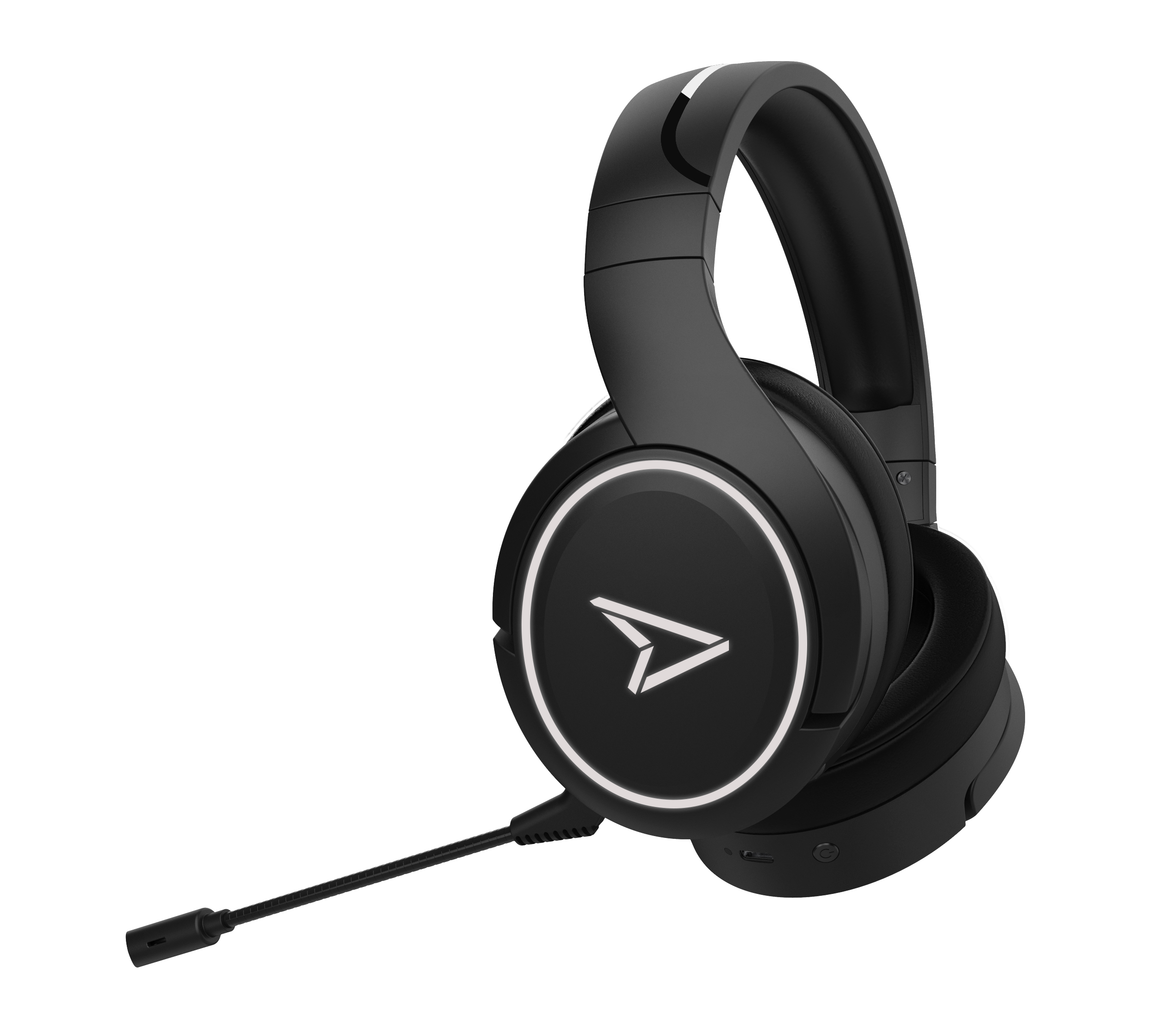
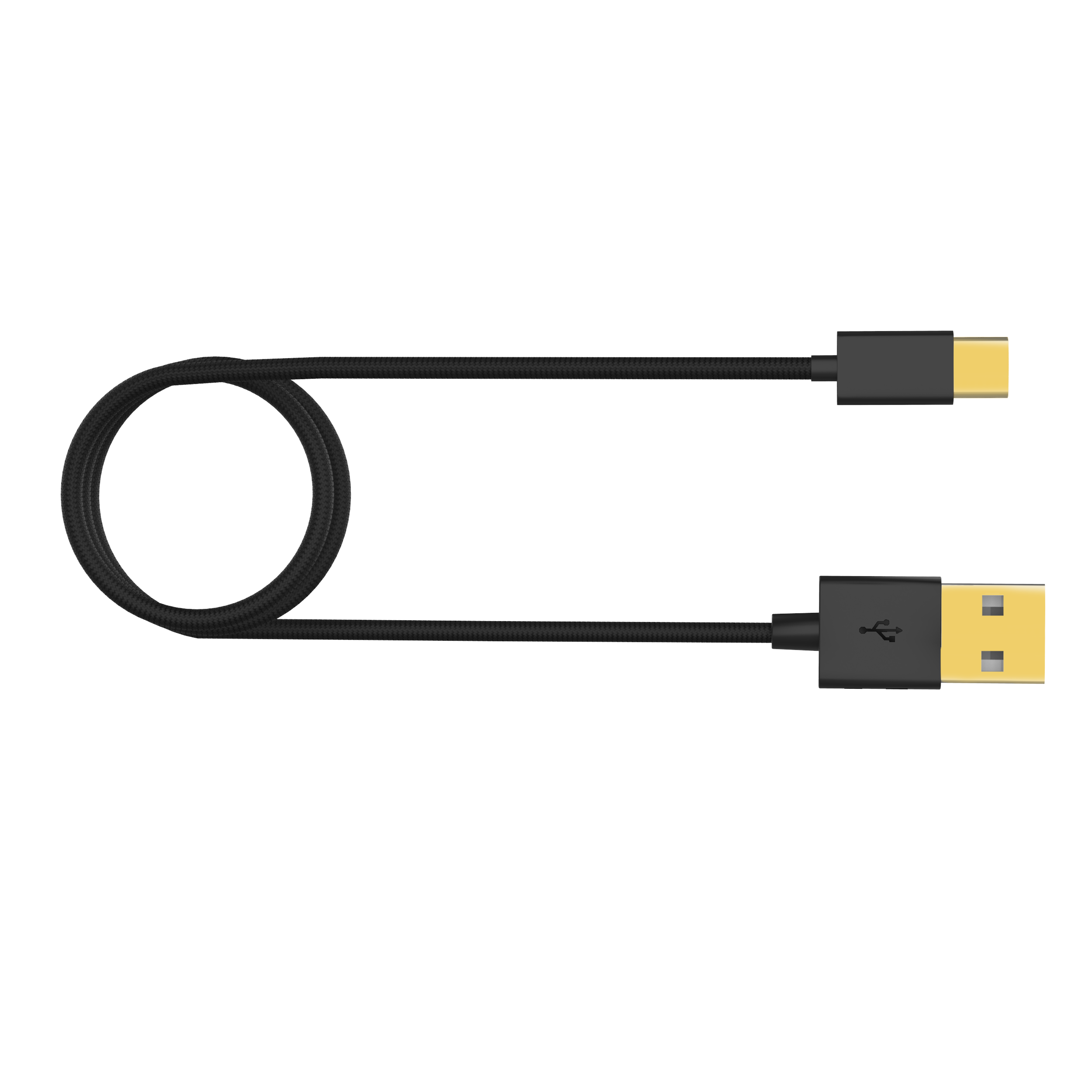
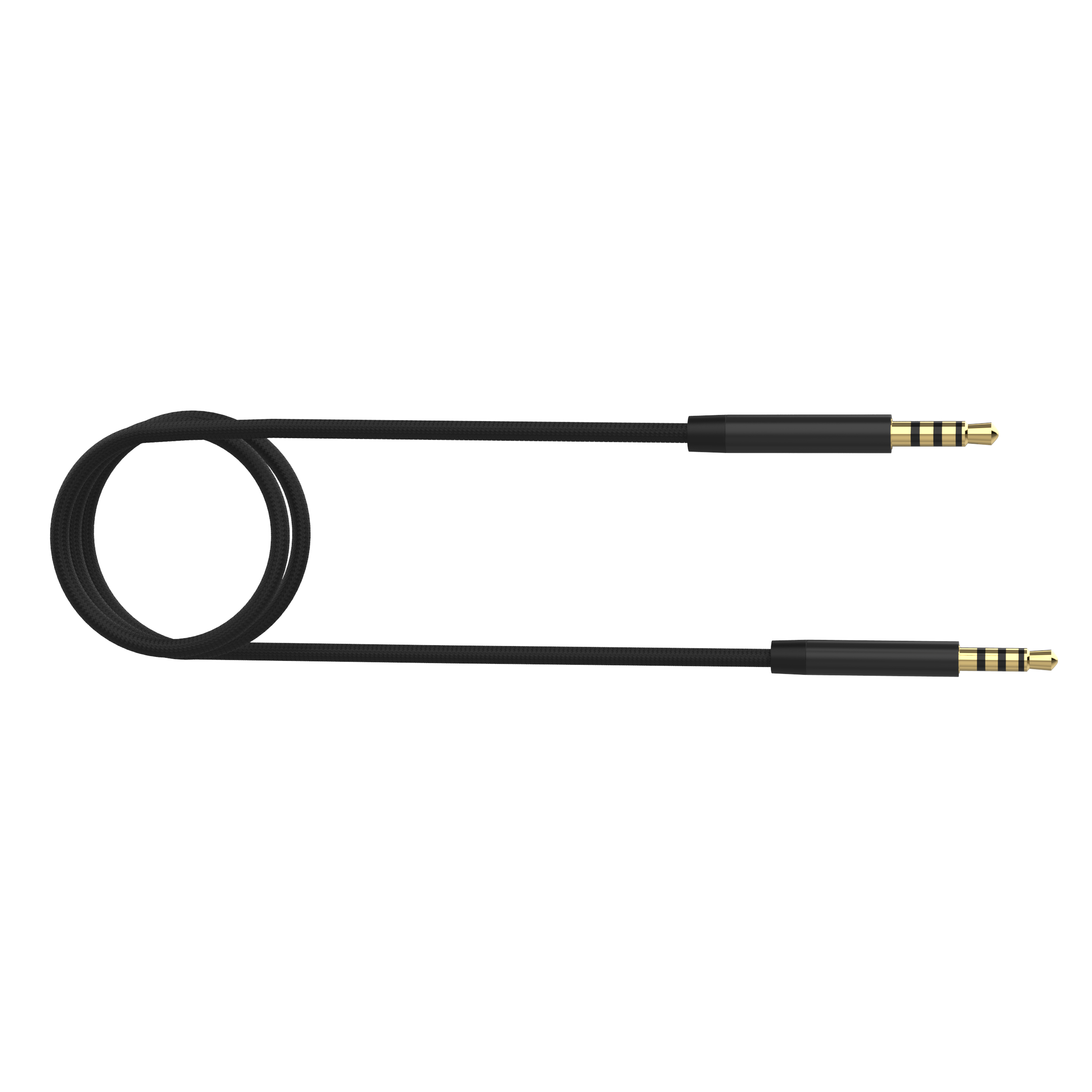
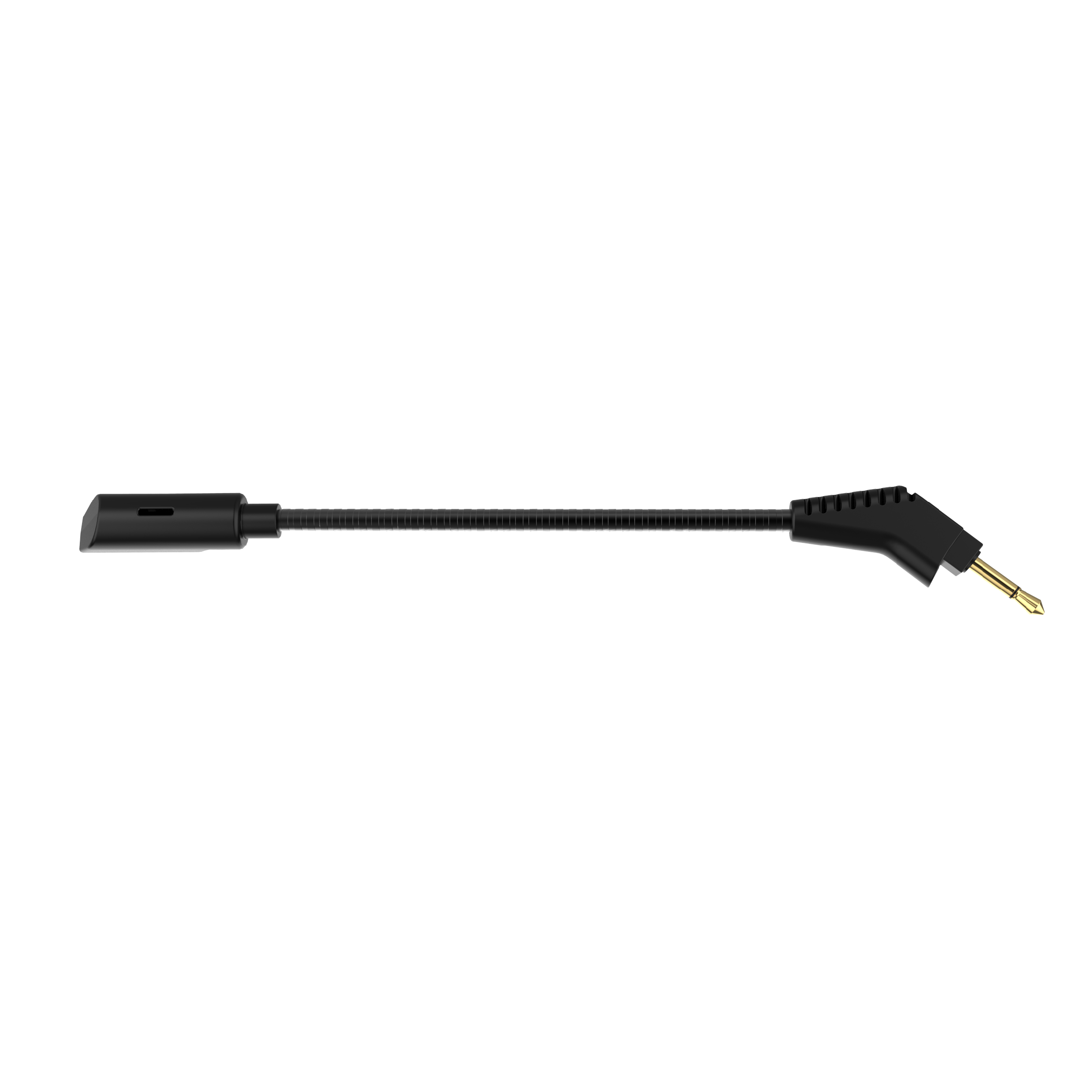
The confirmed project specification identifies a Bluetooth 5.1 black headset configuration with a 1000mAh battery, 50mm speaker, white LED lighting and laser-engraved customer logo. The retail set included the headset, manual, a two-meter braided 3.5mm audio cable and a 1.5-meter braided USB-A to USB-C charging cable. Cable connectors and the detachable microphone connector were specified with a gold-color finish.
The buyer supplied retail-box and manual design files. Three design samples were required before production, and the packing instructions defined inner and master-carton arrangements. The wider project scope included industrial design, structure, PCB, RF, acoustic, tooling, QC and mass-production support, together with Bluetooth qualification and European compliance-document coordination.
A Bureau Veritas report dated August 6, 2022 documents an Initial Production Check for a Bluetooth headset configuration related to this program. It is clearly marked as a draft report and warns that it had not yet received supervisory approval. This article treats its findings as a historical inspection example, not proof about every X6pro lot or the final shipment status.
| Retail-SKU element | Confirmed X6pro project detail | Inspection implication |
|---|---|---|
| Headset identity | Black Bluetooth 5.1 configuration | Match model, color, firmware and approved specification |
| Brand application | Laser-engraved logo | Check position, size, legibility and cosmetic damage |
| Audio cable | 2m braided 3.5mm cable | Measure length and verify plugs and finish |
| Charging cable | 1.5m braided USB-A to USB-C cable | Measure length and verify package conversion |
| Retail files | Customer box and manual | Check revision, claims, marks, barcode and contents |
Buyer Challenge: Inspection Is More Than Counting Defects
A workmanship pass does not automatically mean that the product, package, labels, functions and shipment configuration are ready for release.
Many buyers focus first on AQL defect counts. Those counts matter, but they answer a narrow question: how many sampled units show defined critical, major or minor workmanship defects under the agreed plan? They do not prove that the specification is correct, the approved sample is accurate, the package claim matches the accessory, or every target device has been tested.
The X6pro-related draft report makes this distinction visible. Its workmanship section used ANSI/ASQ Z1.4, single normal sampling at General Inspection Level II. The 315-piece visual sample recorded five minor scratched units and passed the stated critical, major and minor acceptance limits. However, product conformity was inconclusive because the bulk gift-box color differed from the approval sample. Labeling and printed materials failed for separate issues, and a complex Bluetooth function check was inconclusive because only a limited host-device set was available.
An inspection decision must therefore read every section. Quantity, conformity, workmanship, measurements, function, packaging, shipping marks and printed information can have different conclusions. The overall release rule should explain which failures block shipment, which observations need buyer disposition and which missing conditions require re-inspection.
How MACH Connected Product Development With Inspection Follow-Up
Inspection works best when the development team provides controlled specifications, approved samples, package files, test methods and a corrective-action path before the inspector arrives.
MACH supported the X6pro project through platform review, private-label execution, accessory confirmation, packaging and manual implementation, compliance-document coordination, production QC and third-party inspection response. That sequence matters because independent inspectors can compare only what the buyer and supplier define and make available.
Before inspection, the factory should release the current product specification, golden sample, package artwork, manual, barcode list, accessory dimensions, carton marks and functional procedure. The buyer should identify the required sampling plan and acceptance limits rather than assume the inspection company will invent commercial tolerances. Representative host devices and calibrated equipment should be ready for agreed on-site tests.
When a finding appears, the supplier and buyer need a disposition process. The team should distinguish a workmanship defect, specification mismatch, artwork error, unavailable test condition and inspector interpretation. Containment, root-cause review, rework, updated documents, expanded sampling or re-inspection can then be selected according to risk. MACH's role as a product-development partner is to connect those actions to the released configuration and production process.
Why an Approved Sample Can Still Contain the Wrong Requirement
A golden sample is a conformity reference, not an automatic proof of legal, technical or commercial correctness.
The most important lesson from the X6pro inspection record is that consistency and correctness are different controls. The report observed that the CE and WEEE marks on the product did not meet the inspector's stated size criteria, while also noting that the bulk product matched the approval sample. It also found a wrong imperial conversion for the USB cable length on the gift box, again matching the approval sample. Production had repeated the approved reference accurately, but the reference itself carried the questioned requirements.
This can happen when approval focuses on visual similarity instead of requirement verification. A brand may sign a sample because color, logo and fit look correct while no owner checks unit conversion, marking dimensions, legal text, cable length, importer information or manual consistency. Once the sample becomes the factory standard, the same mistake can spread into tooling, printing plates, packaged stock and inspection comparisons.
The solution is a two-layer approval. Layer one confirms correctness against authoritative inputs: signed product specification, measured accessory data, applicable market requirements, approved translations, barcode records and released artwork. Layer two confirms conformity: the production unit and package match the verified master. Neither layer replaces the other.
Create a requirements register before signing the sample. Every claim and marking should have a source, owner and verification method. A cable length should link to the measured specification and a checked metric-to-imperial conversion. Regulatory marks should link to the applicable labeling review for the destination. Bluetooth statements should link to the implemented configuration and qualification plan. Battery, charging and runtime claims need documented test conditions.
Approval signatures should identify scope. Product appearance, acoustic sample, firmware behavior, package artwork and compliance copy may require different reviewers. A designer can approve visual hierarchy without accepting responsibility for radio claims; an engineer can confirm cable length without approving French translations. The final release owner should verify that all specialized approvals converge on one revision.
Change control then protects the verified master. If cable length, package dimensions, firmware, model name, label position, mark size or accessory supplier changes, the affected requirements return to review. The purpose is not to make approval bureaucratic. It is to prevent a polished but incorrect sample from becoming a highly repeatable production error.
| Approval layer | Question | Typical evidence |
|---|---|---|
| Requirement correctness | Is the value, claim or marking right? | Specification, measurement, market review and calculation |
| Sample conformity | Does the sample match the verified requirement? | Signed product and packaging masters |
| Bulk conformity | Does production match the released sample and files? | Inspection records and measured samples |
| Change control | Has any approved input changed? | Revision history and impact review |
Technical Deep Dive: Reading a Bluetooth Headset Inspection Report
Read the report as a set of separate evidence blocks, then apply the buyer's release rules; never rely only on the overall word PASS or FAIL.
Start with inspection type and production status. The X6pro record was an Initial Production Check, not a completed pre-shipment inspection. Some units were unfinished, only sell boxes were available for package checking, and no shipping carton was provided for shipping-mark review. A result gathered at that stage cannot prove that later finished and packed goods meet the same conditions.
Review the reference hierarchy. The report recorded an approved sample but found bulk gift-box color difference, making product conformity inconclusive. The inspection protocol should define whether artwork files, signed color standards, physical samples or measured tolerances have priority. Without that hierarchy, the inspector can identify a difference but the buyer may still lack a release rule.
Read workmanship together with defect definitions and sampling. The historical report's five minor scratches passed its stated Level II plan, but that does not create a universal limit for every order. Buyers should set critical, major and minor classifications around actual customer and channel risk. Functional failure, battery safety issue or wrong model may carry a different severity from a limited cosmetic scratch.
Evaluate on-site tests for coverage, method and equipment. The report recorded passing observations for operational distance on two samples, critical-component verification, dimensions and weight, charging current and barcode checks. Its complex Bluetooth function test was inconclusive because only Android and iOS phones plus a Windows 10 computer were available. A broad compatibility claim needs a buyer-approved host matrix, defined functions and expected results, not a generic Bluetooth connection check.
Finally, read N/A and inconclusive results as open risk, not neutral space. Missing shipping cartons meant shipping marks were not checked. Limited device coverage meant the complex function result was not closed. The release decision should assign an owner, evidence and deadline to every unresolved line before payment or shipment authorization.
| Report section | Question it answers | What it does not prove |
|---|---|---|
| Quantity | What was presented and packed? | Quality of unproduced or unopened units |
| Conformity | Does bulk match the reference? | Whether the reference itself is correct |
| Workmanship / AQL | How many sampled units show defined defects? | Full-lot perfection or functional coverage |
| On-site tests | Did selected samples pass the stated method? | Universal device or lifetime performance |
| Packaging / marks | Were available retail and shipping materials correct? | Materials not present at inspection |
Build the Inspection Protocol Around the Complete Retail SKU
The protocol should inspect the sellable combination of headset, microphone, cables, firmware, markings, manual, package, barcode and cartons.
Product checks should cover model and color, logo process, surface quality, controls, LED behavior, Bluetooth pairing and reconnection, microphone, audio channels, volume, charging and wired input where included. Battery and runtime testing require separate methods because a short inspection cannot prove long-term performance from a simple power-on check.
Accessory checks should identify type, length, material, connector direction, finish and quantity. For X6pro, the 1.5-meter USB-A to USB-C braided charging cable and two-meter 3.5mm braided audio cable were distinct approved items. The package, manual and measured accessories must use the same units and values.
Retail checks should include box revision, color reference, model name, claims, legal marks, barcode readability, language, manual, safety text and package contents. Logistics checks should cover inner quantity, master-carton quantity, carton dimensions, gross and net weight where specified, shipping marks and packing protection. If cartons or final print files are unavailable, schedule a later checkpoint instead of marking the risk complete.
European Labeling, Packaging and Document Checks
European-market release requires configuration-specific review of labels, marks, declarations, manuals and responsible-party information; certificate icons alone are not enough.
The X6pro project included support around BQB, CE, FCC, RoHS and REACH documentation. The exact requirement depends on destination, final radio and battery configuration, supplied cables, model identity and responsible economic operator. Inspectors can compare visible markings and files, but legal responsibility and technical-document review should be assigned before production artwork is released.
Check mark size, placement, contrast and permanence against the approved market review. Verify model, input ratings, manufacturer or responsible-party information, recycling marks, warnings and manual languages. Compare the declarations and reports with the actual model and final configuration rather than assuming that a platform-level document covers every customization.
Packaging review should include numerical accuracy. Unit conversion is a simple but common source of error, as the X6pro gift-box cable-length finding demonstrates. Use a controlled data sheet as the single source for dimensions, weights, battery values, frequencies and accessories, then verify every derived unit before artwork approval.
Corrective Action and Production Release Process
A failed or inconclusive inspection is an input to a controlled disposition process, not an automatic explanation of final shipment status.
First contain affected stock and classify every finding by requirement, severity and scope. Confirm whether the issue exists in the specification, approved sample, bulk production, artwork, test setup or report interpretation. A package conversion error needs artwork correction and stock disposition; a cosmetic scratch issue may need handling controls and expanded inspection; limited host coverage needs the missing compatibility tests.
Next document root cause, corrective action, responsible owner and verification evidence. Rework instructions must identify the affected lot and revision. The buyer should decide whether document review, photographic evidence, targeted sampling or full re-inspection is sufficient. Critical safety, legal, identity or widespread functional concerns normally justify stronger verification than an isolated minor cosmetic observation.
Release only when the decision record closes failed, inconclusive and unavailable checks according to the agreed protocol. Keep the final product specification, approved samples, corrected artwork, inspection report, rework record and release authorization together. This creates a traceable basis for repeat orders and prevents a closed issue from returning in the next production lot.
Buyer Checklist Before Booking an Independent Inspection
Inspection readiness means the product, references, equipment, packaging and release rules are available before the inspector arrives.
- Confirm inspection type, production completion and packing status.
- Release the correct specification, golden samples and artwork revisions.
- Define critical, major and minor defects plus the agreed sampling plan.
- Provide a target-device matrix for Bluetooth, microphone and wired functions.
- Define test methods, sample sizes, limits and required calibrated equipment.
- List every accessory with type, quantity, length, material and connector finish.
- Verify package claims, unit conversions, barcodes, languages and markings before print.
- Make final retail boxes, manuals, inner cartons and master cartons available.
- Define how failed, inconclusive and N/A findings affect shipment release.
- Agree corrective-action evidence and re-inspection triggers in advance.
Conclusion
Independent inspection creates value when it tests a correct, complete and release-controlled product definition.
The X6pro France OEM project shows why product development and inspection cannot be separated. A headset may meet workmanship limits while package color, labels, conversions, device coverage or shipping materials remain unresolved. A brand protects itself by verifying requirement correctness first, then checking sample and bulk conformity against that verified master.
Before requesting an OEM quote or inspection plan, prepare the target markets, product specification, host-device matrix, brand artwork, accessory list, package data, labeling review, sampling requirements and release rules. MACH industry can help connect these inputs with product engineering, factory QC, third-party inspection response and mass-production support.
Launch Faster With a Reliable OEM Partner.
Share your Bluetooth headset specification, target markets, inspection criteria, package files and release requirements with MACH industry. Email: hardy.hu@mach-industry.com | WhatsApp: +86 18038083785
Discuss Your Inspection PlanFrequently Asked Questions
What should a third-party Bluetooth gaming headset inspection include?
It should cover quantity and production status, conformity, workmanship, functional tests, measurements, accessories, retail packaging, barcodes, labels, shipping marks and unresolved-risk disposition.
Does passing an AQL workmanship check mean a headset shipment can be released?
No. AQL workmanship is one section. Product conformity, functions, labels, package claims, accessories, shipping marks and required documents may still fail or remain inconclusive.
Why can an approved gaming headset sample still be wrong?
The sample may accurately represent color and construction while carrying an incorrect marking, conversion, claim or accessory value. Correctness must be verified before the sample becomes the conformity master.
What did the X6pro inspection example reveal about package data?
The historical draft report identified an incorrect imperial conversion for the 1.5-meter USB cable on the gift box, and noted that the bulk package matched the approved sample.
How should brands test Bluetooth compatibility during inspection?
Use an approved host-device and operating-system matrix, define pairing, reconnection, audio, microphone and control results, and record the hardware and firmware versions tested.
What is the difference between an Initial Production Check and Pre-Shipment Inspection?
An Initial Production Check occurs earlier and may review unfinished or partly packed goods. A Pre-Shipment Inspection is normally planned when production and packing meet agreed completion conditions.
Should missing cartons or unavailable tests be treated as passed?
No. Mark them N/A, inconclusive or not checked according to the protocol, assign an owner and require the missing evidence or a later inspection before release.
What should buyers prepare before a gaming headset inspection?
Prepare released specifications, golden samples, package and manual files, defect definitions, sampling plan, host devices, test methods, accessory list, marking requirements and shipment-release rules.
Can a third-party inspection replace factory quality control?
No. Independent inspection samples a defined lot at a specific time. Supplier incoming, in-process and final QC remain necessary for production control and corrective action.
Related Resources
Need OEM/ODM gaming audio solutions?
Contact MACH Industry to discuss your gaming headset, gaming earbuds, or private-label audio project.
Contact MACH Industry