Home > Resources > OEM Knowledge
How to Manage Battery Storage and Inventory for Wireless Gaming Headsets
A buyer guide to controlling charge state, warehouse conditions, inventory aging and reactivation for private-label wireless gaming headsets with lithium batteries.
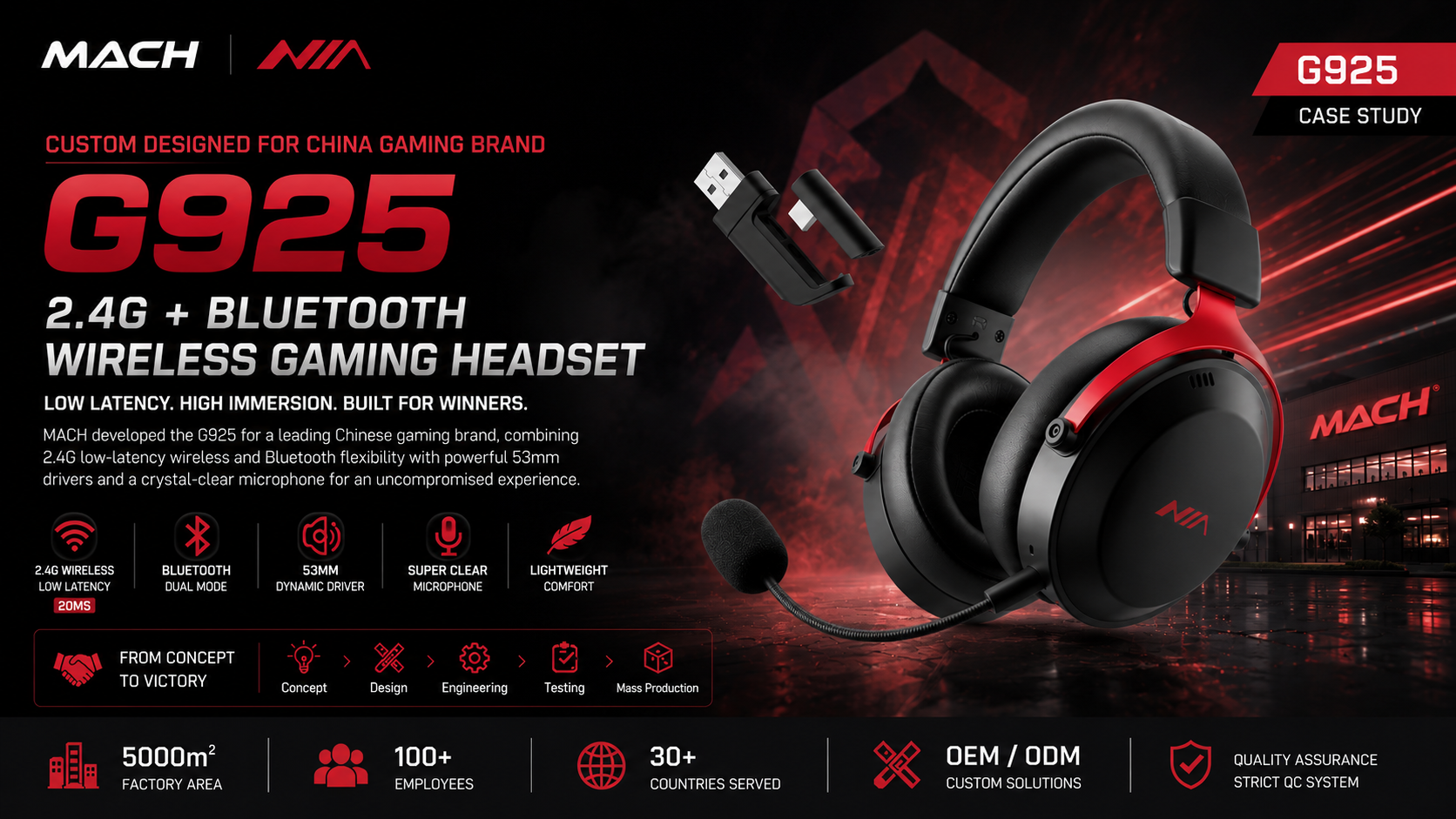
Wireless gaming headset brands should manage battery inventory with a dated control plan covering the approved battery identity, charge state, storage environment, aging interval, reactivation method and release check. The plan must follow the selected battery specification and then be validated on the finished headset. Leaving powered products in storage without time-based controls can turn an approved battery into a launch, return or warranty risk.
The G925 China OEM project provides a practical reference because its confirmed platform uses a rechargeable 2000mAh lithium-polymer battery and serves retail, e-commerce and distributor channels. Its battery specification includes shipment, storage and periodic-activation instructions that help explain how brands can connect factory production with transport, fulfillment storage and slow-moving stock. This article focuses on inventory control rather than repeating the G925 case study or its existing microphone-design guide.
Quick Answer for Wireless Headset Buyers
Control wireless-headset inventory by battery revision, production date, approved charge-state window, storage conditions, inspection interval and reactivation procedure.
A useful inventory record identifies the headset SKU, battery model and supplier, battery lot, headset production lot, packing date, warehouse location, last charge-state check, next review date and disposition. The buyer and manufacturer should assign ownership of every checkpoint before mass production.
Do not use one universal storage rule for every wireless headset. Pack construction, protection electronics, firmware standby current, charging design, packaging temperature and logistics duration differ. G925's battery document applies to its specified 103450-2000mAh pack; another configuration needs its own approved limits.
A finished headset can consume power differently from an isolated battery. Product electronics, protection circuitry or unintended activation can change condition after packing. Finished-product validation therefore sits on top of the battery specification rather than replacing it.
| Control question | Evidence | Owner |
|---|---|---|
| What is stored? | SKU, battery model, lot and BOM revision | Engineering and procurement |
| For how long? | Packing, transit and warehouse dates | Factory and logistics |
| Under what conditions? | Approved temperature and humidity limits | Quality and warehouse |
| When is it checked? | Inspection interval and next-review date | Inventory owner |
| What happens after aging? | Reactivate, retest, hold or reject rule | Quality and buyer |
Why Inventory Time Changes Battery Risk
Battery approval occurs at one point in time, while inventory continues aging through production queues, international transport, fulfillment storage and retail circulation.
A wireless headset may spend weeks between battery receipt and assembly, additional time awaiting inspection or vessel departure, and months in a regional warehouse. Every interval belongs to its battery history even when commercial teams describe the goods as new inventory.
Lithium-polymer batteries naturally self-discharge, and finished products can add standby consumption. Temperature affects aging and available charge. Deep discharge during long storage can make recovery difficult or trigger protection behavior, while keeping inventory continuously at full charge may also be inappropriate. The correct window must come from approved engineering records.
The commercial consequences extend beyond battery capacity. A headset arriving too low may not power on during receiving inspection. An old carton can look perfect while the battery requires review. Procurement teams therefore need time-based release criteria, not only a cosmetic AQL result.
This matters for private-label brands handling promotional buys, marketplace fulfillment, regional warehouses or replacement stock. Uneven sell-through means the control plan should address the oldest lot instead of assuming every unit follows the launch forecast.
G925 China OEM Project Overview
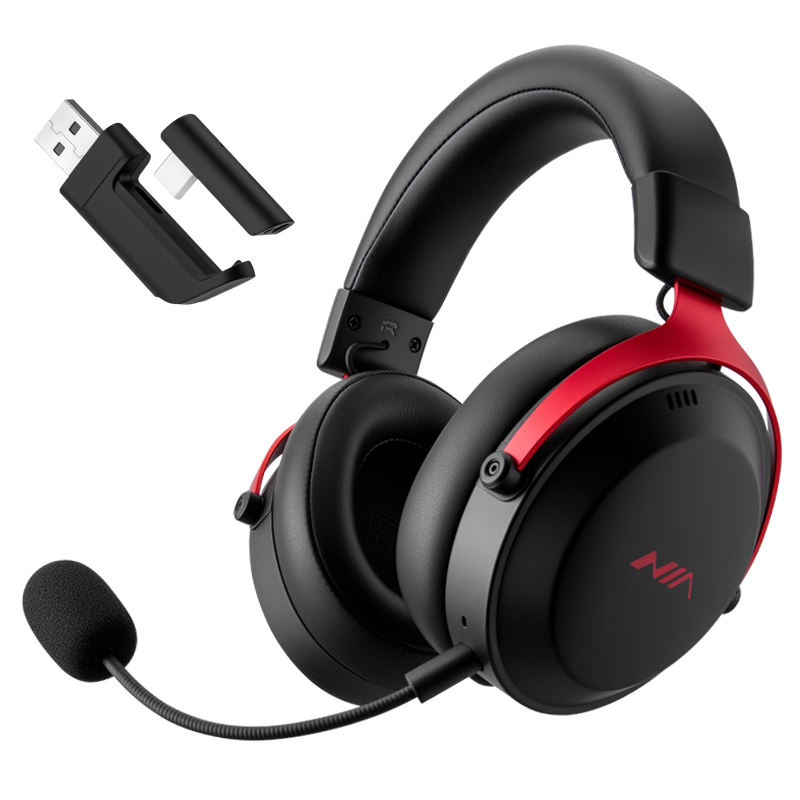
G925 is a 2.4GHz plus Bluetooth wireless gaming headset OEM platform with a confirmed 2000mAh rechargeable lithium-polymer battery and multi-market retail scope.
The public G925 case describes an OEM project for a China gaming brand, Amazon seller and distributor serving Korea, the United States and European markets. Scope included 2.4GHz wireless and Bluetooth, RGB, logo and packaging, RF and antenna review, acoustic and microphone checking, tooling, QC and mass-production support.
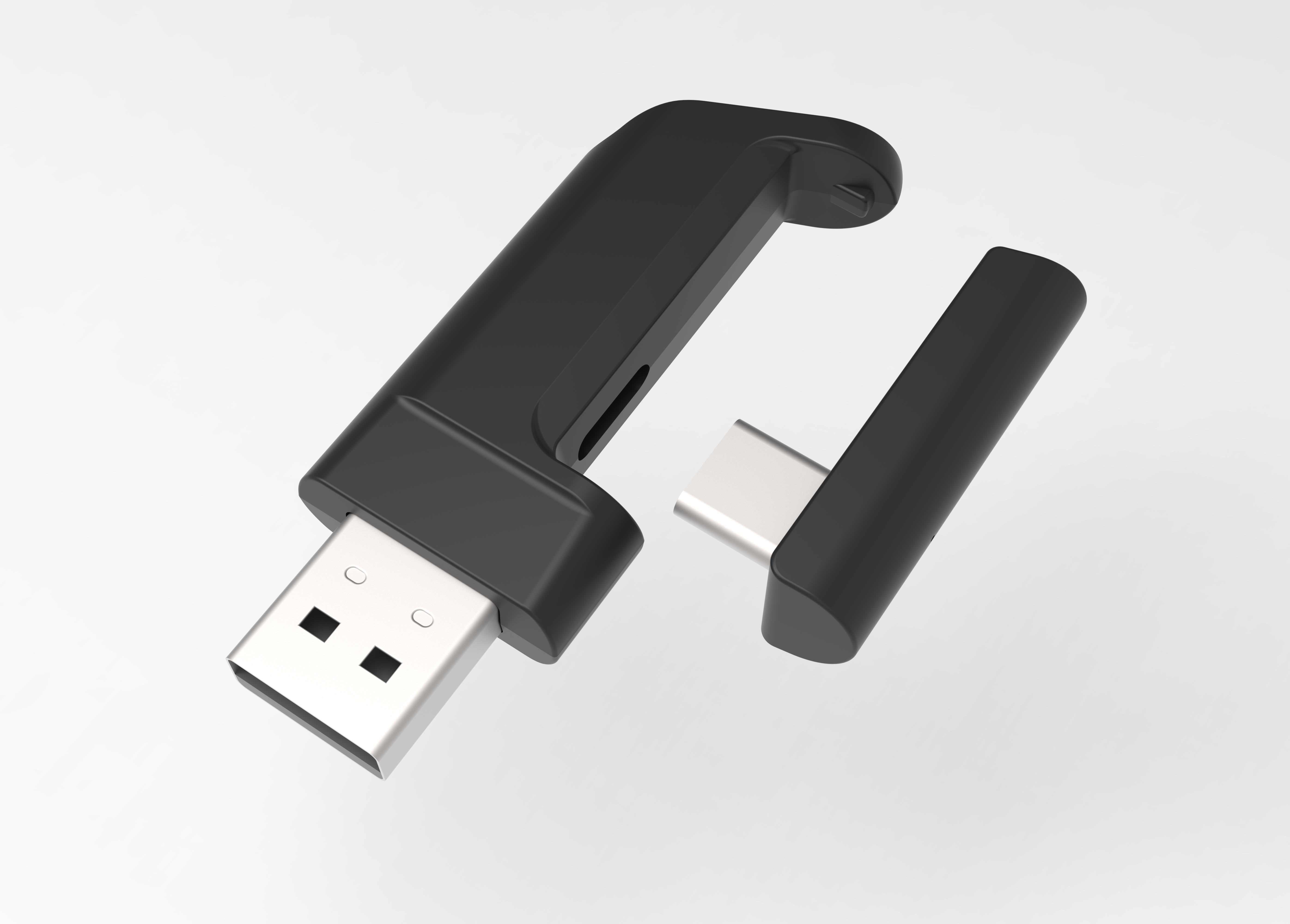
Public materials identify a 53mm driver direction, detachable microphone, 2-in-1 USB-A and Type-C transmitter, USB audio and charging cable, and 2000mAh battery. The manual describes 2.4GHz and Bluetooth operation, USB wired use, charging while in use, indicators and automatic power-off after no connection. Hardware, firmware and charging behavior all affect the packed product's power state.
The battery specification identifies model 103450-2000mAh, 3.7V nominal voltage, 4.2V charging limit, protection circuitry and supplier-defined storage and transport conditions. It records shipment voltage of at least 3.90V and says transport is approximately at half charge. For storage beyond three months, it gives a more specific environment, voltage-maintenance range and activation instruction. These values apply only to the approved battery and must be translated into a finished-headset procedure.
| Project element | Confirmed direction | Inventory implication |
|---|---|---|
| Battery | 103450-2000mAh lithium-polymer pack | Track the exact pack and lot |
| Wireless | 2.4GHz and Bluetooth | Validate packed-state power behavior |
| Wired function | USB audio and charging | Control the approved recharge method |
| Lighting | RGB direction | Keep runtime claims separate from storage readiness |
| Channels | Retail, Amazon and distribution | Plan for uneven transit and sell-through |
From Factory to Fulfillment: Building a Battery-Aging Control Plan
Divide the product journey into controlled stages, retain one traceable aging clock and define action before inventory becomes overdue.
Start the clock before finished goods enter the export warehouse. Batteries have manufacturing and incoming dates, while headsets have assembly, packing and shipment dates. For finished-product release, the packing or last verified charge-state date is often more useful than purchase-order date because it connects to actual unit condition. Keep the battery and headset lots traceable when dates differ.
At incoming inspection, confirm identity, dimensions, connector, polarity, appearance and supplier lot. G925's selected document defines a protected 103450-2000mAh configuration; it does not authorize substitutions with a similar capacity label. A different cell, protection board, wire length or supplier can change fit, charging, documents and storage behavior.
After assembly, validate the exact power state intended for packing. Confirm whether factory test modes, Bluetooth pairing, receiver searching, indicator activity or button pressure can leave units consuming more power. Packaging should prevent unintended activation without damaging controls. Retained packed units can be checked after an agreed interval to verify real behavior.
Before shipment, define a charge-state or voltage acceptance window and measurement method. G925's battery document lists shipment voltage of at least 3.90V and describes transport near half charge. Engineering must explain where voltage is measured, what equipment is used and what action applies outside the range. Do not convert a cell voltage into an unverified consumer percentage.
During transport and storage, preserve date and condition records. For storage beyond three months, the G925 battery supplier specifies 20 +/- 5 degrees Celsius, 65 +/- 20% relative humidity, maintenance between 3.8V and 4.0V and activation every three months. A brand must confirm whether its factory, freight route and fulfillment network can follow an approved finished-product SOP rather than assume uncontrolled environments meet these conditions.
Create aging bands before shipment: normal-release inventory, stock approaching review, stock requiring sample charge-state inspection, stock requiring controlled activation and functional retest, and stock placed on hold. Exact dates and sample sizes depend on the product. The warehouse system should alert the owner before intervention is due.
Reactivation is a controlled service operation. Applying the battery supplier's sequence through an assembled headset requires confirmation of the charging board, cable, firmware, indicator and operator method. Record units, starting condition, process, final condition and post-charge function. Repacking must preserve seals, labels and accessory completeness.
Connect aging status to shipment release. Cosmetic inspection, barcodes and carton count do not prove battery readiness. Release records should identify the oldest lot, review its next intervention date and prevent mixing cleared and held units.
| Stage | Control | Decision |
|---|---|---|
| Battery receipt | Identity, lot, date and incoming checks | Accept approved configuration |
| Assembly | Power-off state and standby validation | Approve packing state |
| Pre-shipment | Charge-state method and oldest-lot review | Release, recharge or hold |
| Warehouse aging | Environment, elapsed time and alerts | Continue or intervene |
| Reactivation | Approved method and functional retest | Return to stock or reject |
Technical Deep Dive: Translating a Cell Specification Into Finished-Headset Controls
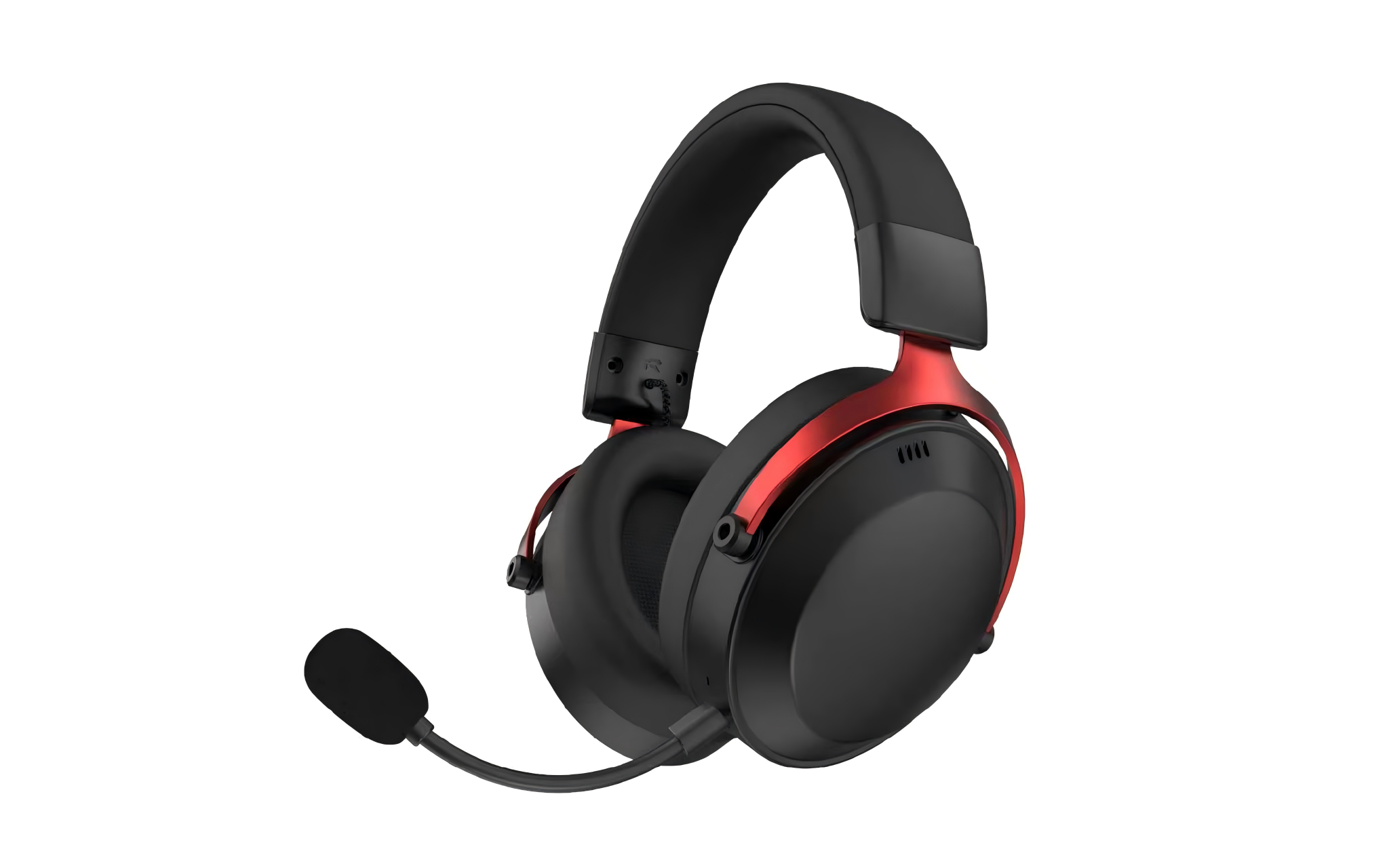
The battery specification defines pack limits; the finished-product SOP explains how those limits are measured, maintained and verified through the complete headset.
Separate source documents. The battery specification describes the pack and protection conditions. The headset specification describes electronics, firmware, charging interface and modes. Packing instructions describe physical protection. The inventory SOP joins them without silently replacing any requirement.
Translate voltage into an inspection method. G925's document includes a 3.7V nominal value, 4.2V charge limit, 3.0V discharge cutoff and storage-voltage guidance. A warehouse operator cannot normally access cell terminals inside a closed retail headset. Engineering must define an external method, fixture or sampling check and explain how the result maps to condition. A consumer icon may be too coarse for release.
Translate environment limits into location controls. State whether a value applies to the pack alone or to packaged finished goods, the allowed duration and the response to excursions. Cartons near doors, roofs or loading docks can experience conditions different from a central warehouse sensor.
Translate activation into a reproducible instruction. Identify the approved cable, input, headset state, indicator sequence, safety checks, end condition, functional test and record. G925 supports USB charging, but warehouse reactivation still needs the specific method approved by engineering.
Translate firmware into storage evidence. Automatic power-off can reduce unintended operation but does not prove zero standby current. Test production-intent firmware in the packed state and revalidate after power-management, indicator, wireless or charging changes.
The result is a measurable finished-headset control specification. It tells quality staff what to inspect, warehouse staff when to act, procurement which changes need approval and service teams how to recognize an aged-stock issue.
| Battery statement | Finished-headset question | Control output |
|---|---|---|
| Shipment voltage | How is a closed product checked? | Fixture, method and acceptance rule |
| Storage environment | Where and how long is stock held? | Monitoring and excursion procedure |
| Periodic activation | How is the headset safely recharged? | Work instruction and record |
| Protection limits | Does firmware add a drain path? | Integrated validation |
| Battery revision | Which lots contain the pack? | BOM and lot traceability |
OEM Development Process for Battery and Inventory Approval
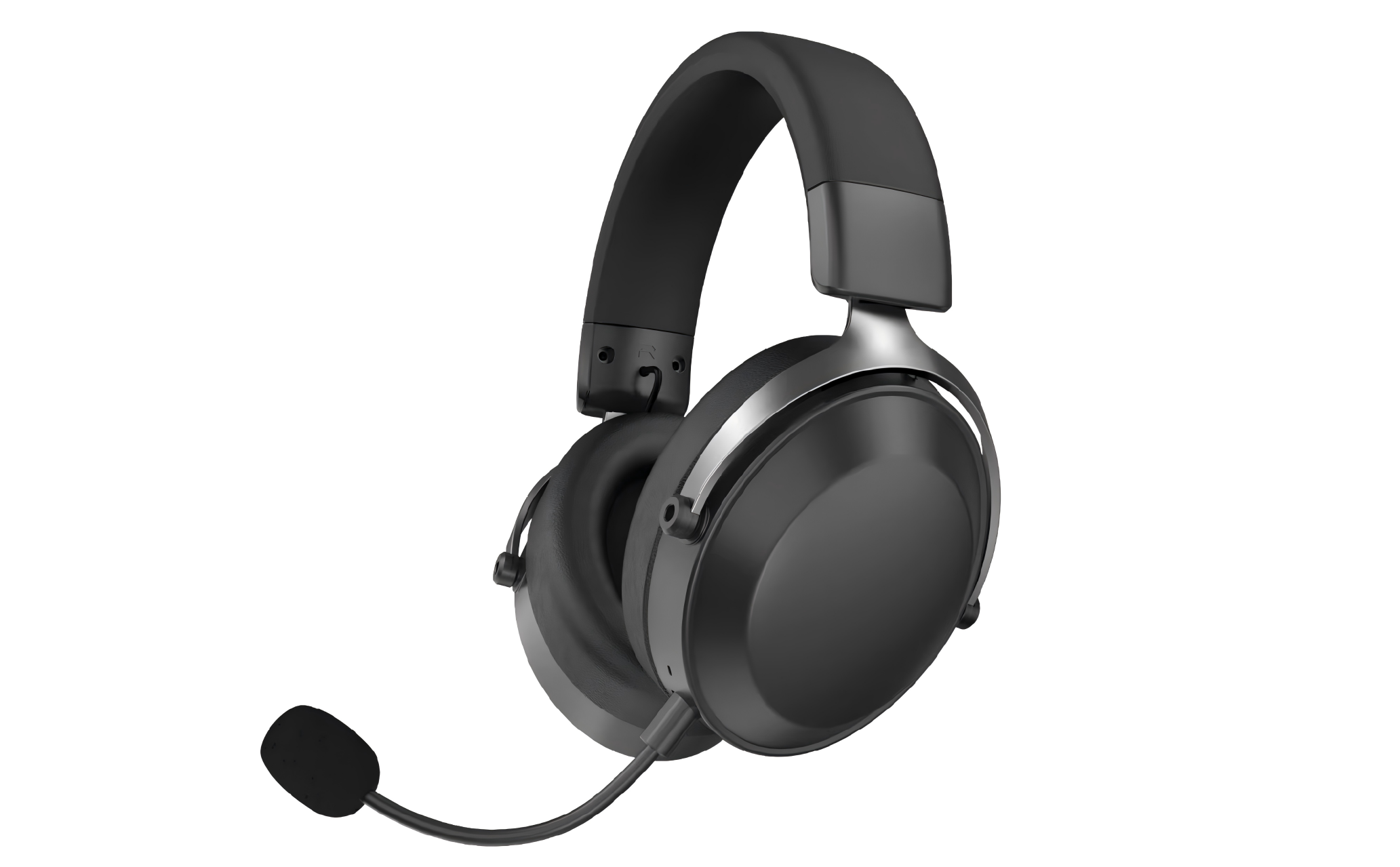
Storage planning begins during requirement review and remains controlled through samples, pilot production, mass production and regional inventory.
During concept review, define target markets, launch timing, transport route, expected storage duration, fulfillment model and after-sales reserve. Engineering then confirms the battery candidate, fit, protection, charging path, firmware and indicators. Storage validation should use production-intent hardware and software.
Before pilot production, release the battery BOM, specification, sample, packing state, charge-state method, date code and change-notification rule. Retained pilot units can support scheduled checks. Packaging, labels and manuals should reference the same charging configuration.
Mass-production control combines incoming battery checks, line function tests, packed-product sampling, lot dates and warehouse alerts. MACH's documented G925 support included structure, PCB, RF, acoustic, tooling, QC and mass production, allowing inventory requirements to be coordinated with the complete headset.
After shipment, the importer, distributor or marketplace operator needs visibility into dates and conditions. The supplier can define the technical process, but responsibilities must be handed over instead of assuming factory control continues after delivery.
Buyer Checklist Before Production and Long-Term Storage
A strong RFQ explains both the headset requirement and the expected inventory journey.
- Markets, channels, launch date and expected sell-through
- SKU, wireless modes, firmware and charging configuration
- Approved battery model, supplier, protection and dimensions
- Battery lot and headset lot traceability
- Packing state and activation prevention
- Shipment charge-state measurement method
- Transport route and expected duration
- Warehouse environment monitoring
- Aging bands, alerts and responsible owner
- Approved activation work instruction
- Post-reactivation functional release checks
- Battery, charging-board and firmware change rules
- Treatment of held and mixed-age inventory
- Factory-to-importer record handover
Conclusion
Battery storage control turns elapsed inventory time into a visible engineering and release decision instead of an unknown after-sales risk.
The G925 project shows why a 2000mAh specification is only the starting point. Its selected battery also carries shipment, storage and activation guidance, while the finished headset adds wireless electronics, firmware, charging controls, packaging and multi-channel inventory time.
Brands should connect the battery to a finished-product SOP, track the oldest stock, intervene before the approved interval expires and retain evidence for reactivated lots. This supports disciplined launches without turning cell-level data into unsupported product claims.
MACH industry can review the wireless platform, battery configuration, packaging, quality and production scope for a private-label gaming headset. Final storage limits and procedures depend on the approved product and destination requirements.
Launch Faster With a Reliable OEM Partner.
Share your target market, headset configuration, inventory timeline, packaging, compliance needs and estimated quantity with MACH industry.
Request an OEM Project ReviewFrequently Asked Questions
How should wireless gaming headsets be stored before sale?
Use the approved battery and finished-product conditions, track lots and dates, schedule charge-state reviews and prevent unintended activation.
Can a gaming headset stay in a warehouse for more than three months?
It may be possible when the approved specification and SOP define the environment, charge-state review, activation interval and release checks.
What long-storage guidance is documented for the G925 battery?
The selected battery document calls for 20 +/- 5 degrees Celsius, 65 +/- 20% relative humidity, 3.8V to 4.0V maintenance and activation every three months beyond three months of storage.
Does battery storage voltage equal consumer battery percentage?
No. Cell voltage should not be converted into a consumer percentage without an approved finished-product measurement model.
How often should aged wireless-headset inventory be checked?
Follow the approved battery and product SOP. G925's selected battery calls for activation every three months during long storage, but the headset method still needs engineering approval.
Can automatic power-off prevent battery drain in warehouse stock?
It can reduce unintended operation but does not prove zero standby current. Packed production units still require validation.
What should a warehouse record during battery reactivation?
Record SKU and lots, units, starting condition, approved equipment, charging process, final condition, functional result, operator and date.
Does a 2000mAh battery guarantee long shelf life?
No. Battery condition, standby current, temperature, charge state, elapsed time and intervention controls all affect readiness.
What battery changes require OEM reapproval?
Supplier, cell, pack, protection, dimensions, connector, wiring, charging board, firmware, marking or document changes require impact review.
What should buyers tell MACH before starting a wireless-headset project?
Share markets, channels, functions, battery direction, logistics, storage duration, packaging, compliance, quantity and schedule.
Related Resources
Need OEM/ODM gaming audio solutions?
Contact MACH Industry to discuss your gaming headset, gaming earbuds, or private-label audio project.
Contact MACH Industry