Home > Resources > OEM Knowledge
How to Build a Battery Approval File for a Wireless Gaming Headset OEM Project
A buyer-focused guide to controlling battery identity, RGB runtime evidence, charging behavior, KC-related marking, documentation and production changes in a wireless gaming headset OEM project.
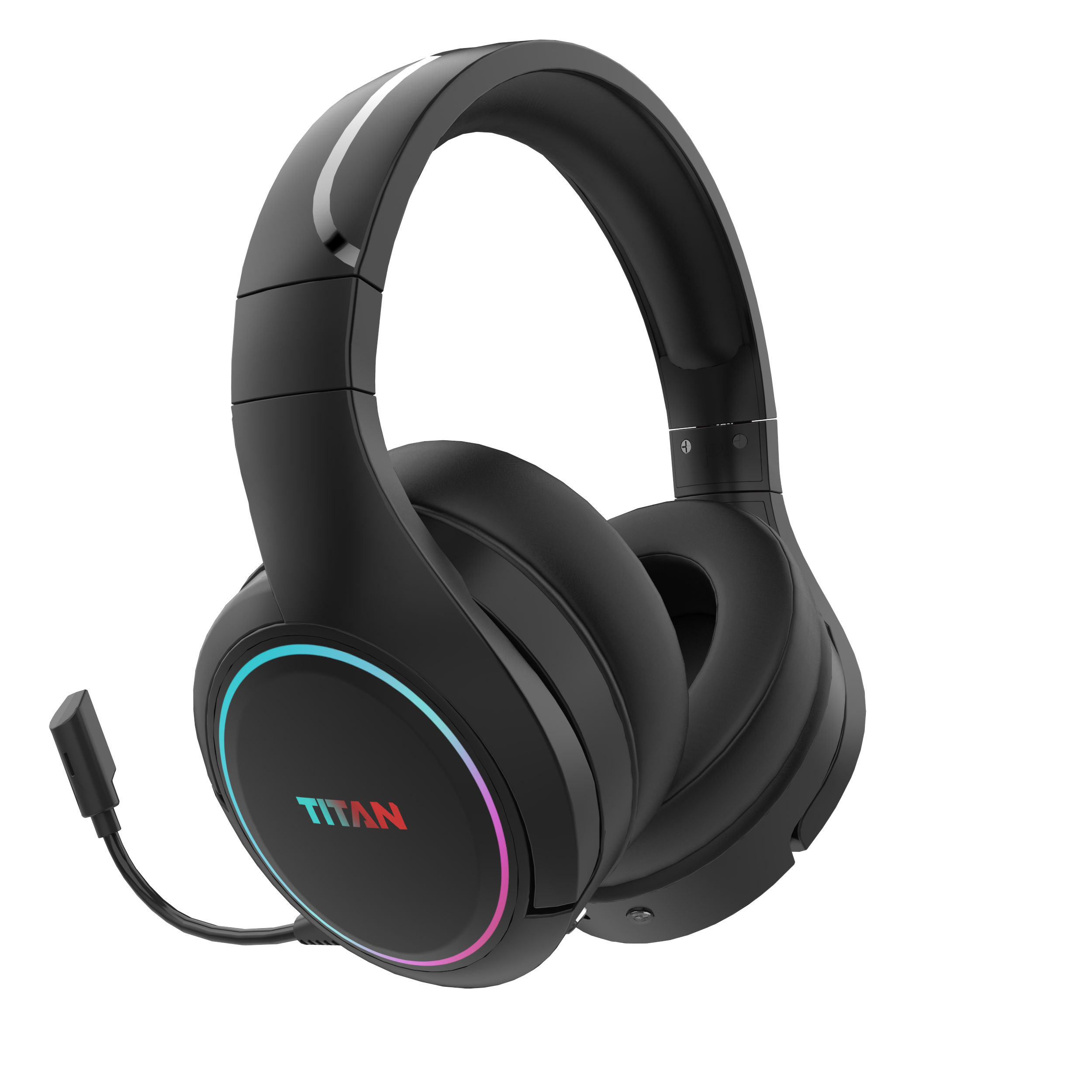
A wireless gaming headset battery should be approved as a controlled evidence package, not as one capacity number. Before production, an OEM buyer should freeze the battery model, rated capacity, protection configuration, supplier identity, physical fit, charging behavior, LED-on and LED-off runtime conditions, required market documents, product marking, bill-of-materials revision and change-control rules.
The WH6 Korea OEM project provides a practical reference. Its confirmed project requirement used a 103040 battery marked 1200mAh, while a dated sample test recorded approximately 11 hours with RGB lighting on and approximately 20 hours with lighting off. The same test requested a KC-certified battery and visible certification-number marking. This article uses those records to explain how buyers can build a battery approval file without presenting a sample result as a universal performance or certification claim.
Key Takeaways for Wireless Headset Buyers
A defensible battery claim connects one approved battery and headset revision to documented test conditions, market requirements and production controls.
- Freeze the exact cell or pack model, rated capacity, protection configuration, dimensions and marking.
- Separate battery-capacity information from product-runtime evidence.
- Record RGB state, wireless mode, volume, audio content, sample revision and stop condition for runtime tests.
- Treat KC-related requirements and certification-number marking as approval items, not assumed product claims.
- Approve charging behavior and indicator visibility from the user's perspective.
- Link battery documents, BOM, firmware, manual, packaging and inspection records to the same SKU.
- Require impact review and reapproval before any battery, charging-board or firmware substitution.
WH6 Korea OEM Project Overview
WH6 was a Korea-market OEM 2.4GHz wireless gaming headset project with a defined battery, RGB, RF, branding, packaging and production scope.
The approved case card identifies WH6 as an OEM project for a Korean gaming brand, importer and distributor. Its scope included 2.4GHz wireless, low-latency positioning, RGB, custom logo and packaging, KC-related requirements, industrial design, structure, PCB, RF, tooling, quality control and mass-production support.
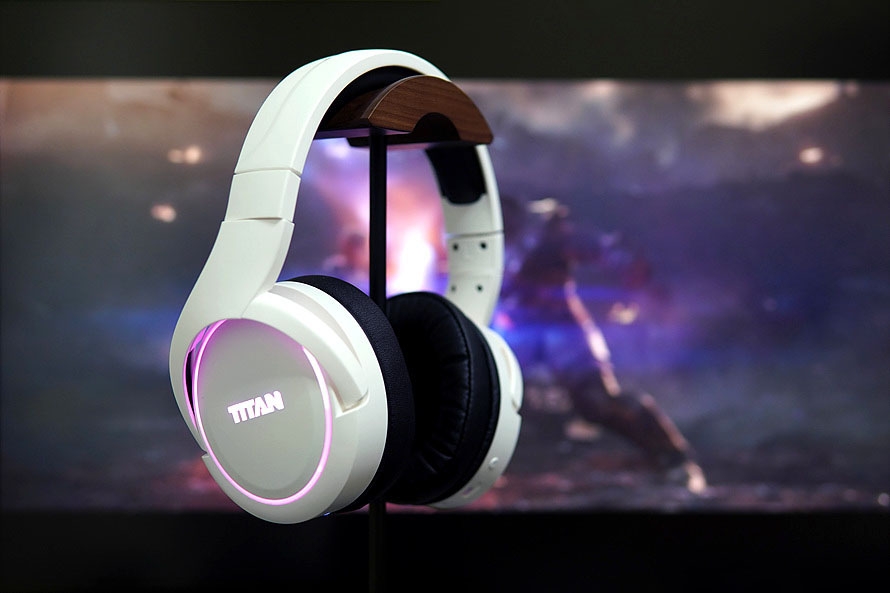
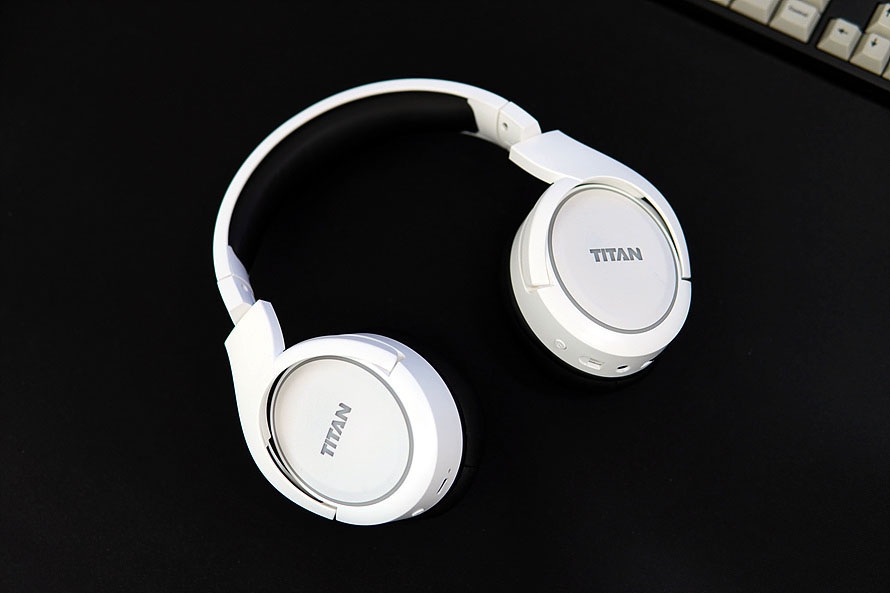
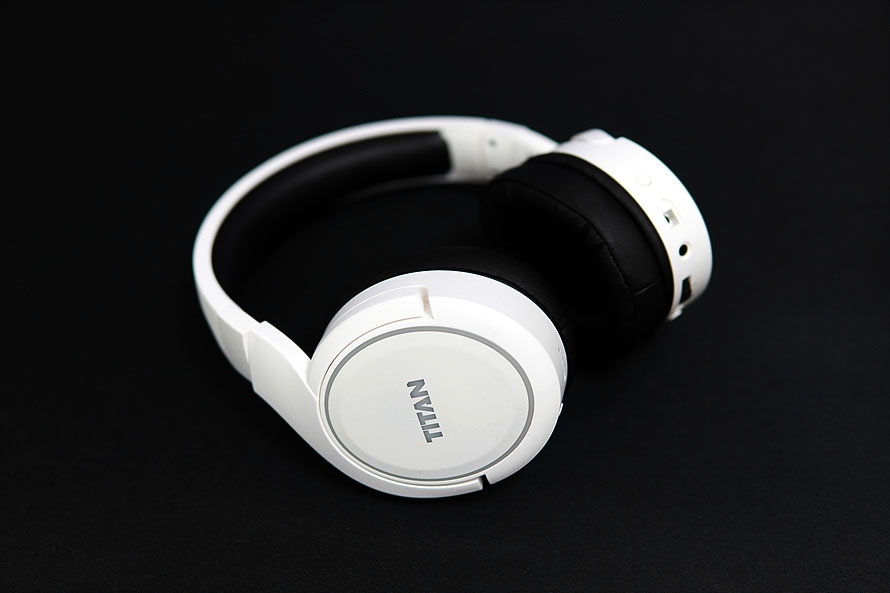
The project datasheet identifies a 2.4G + virtual 7.1 version, black and white variants, a custom-marked 103040 battery with 1200mAh rated capacity, a Type-C charging interface and a customized manual and retail set. The product specification also records a 50mm driver, detachable microphone, 3.5mm wired input, RGB control and a ten-minute no-signal sleep behavior.
A sample report dated November 11, 2021 recorded about 11 hours of use with LED lighting on and about 20 hours with lighting off. It also stated that a KC-certified battery was required and that the certification number needed to be indicated. These are project records for the tested sample and buyer requirement; they do not establish that every WH6 version, battery or production lot has identical runtime or certification status.
The Buyer Challenge: Capacity, Runtime and Compliance Are Different Questions
A 1200mAh label describes rated battery capacity; it does not by itself prove headset runtime, charging behavior, market acceptance or production consistency.
Capacity is one input to a complete system. Runtime also depends on the wireless electronics, audio output, volume, RGB state, virtual-sound processing, microphone use, firmware power management, sleep behavior, battery condition and the test stop point. Two headsets carrying the same nominal capacity can produce different runtime evidence.
Compliance is another layer. A buyer may require a battery with particular certification or transport documentation, but that requirement is not satisfied by printing a number on a label. The project team needs to confirm that the submitted documents, battery identity, marking and production component refer to the same approved item.
User experience adds a third layer. The WH6 sample record noted that the charge test passed while the red charging indicator was not sufficiently visible and required adjustment. This distinction matters: the circuit may charge correctly while the user-facing status indication still needs improvement.
The approval file keeps these questions separate and traceable. It allows procurement, engineering, compliance, quality and packaging teams to review the same battery configuration without turning a sample note into an unsupported retail promise.
What Is a Wireless Gaming Headset Battery Approval File?
It is the revision-controlled set of specifications, samples, reports, documents, markings and production checks used to authorize one battery configuration.
The file begins with the commercial requirement: target market, headset SKU, intended wireless and lighting modes, runtime positioning, charging interface and any market documentation requested by the buyer. This creates context for engineering and supplier evaluation.
The technical layer defines the battery or pack identity, rated capacity, dimensions, connector and wiring, protection arrangement, permitted operating relationship with the charging board, and approved physical fit. Exact limits should come from the selected battery and headset engineering documents rather than from a generic article.
The evidence layer stores the approved sample identifier, runtime protocol, charging observations, safety and transport documents required for the destination, artwork or marking reference, and sign-off status. The production layer connects these records to the BOM, incoming inspection and outgoing-quality checks.
A useful approval file is concise enough to use but complete enough to reveal mismatches. If the marking, certificate, physical battery or BOM supplier differs, the release should stop for impact review.
| Approval-file layer | Primary content | Release question |
|---|---|---|
| Commercial | Market, SKU, user modes and claim direction | What exactly will the brand sell and state? |
| Battery identity | Model, capacity, dimensions, supplier and protection | Is this the same item that was approved? |
| Integration | Connector, wiring, fit, charging board and firmware | Does it operate safely in the selected headset revision? |
| Performance evidence | Runtime and charging test protocol and results | Do results match the stated conditions? |
| Market evidence | Required documents, labels and number marking | Do the documents and product identity match? |
| Production control | BOM, incoming checks, line tests and change notices | Can the approved configuration be reproduced? |
Technical Deep Dive: Build a Battery Identity and Evidence Chain
The strongest battery approval file creates an unbroken chain from the physical battery inside the sample to the documents, test results, product marking and production BOM.
Start with identity. Record the battery model or pack code, rated capacity, dimensions, connector, polarity, wire arrangement, protection configuration and supplier reference. Photograph or scan the approved marking. For WH6, the project requirement identifies a 103040 model and 1200mAh marking direction. A new buyer should confirm the final identity on the approved physical sample rather than rely on the model name alone.
Connect identity to documents. When a Korean project requires a KC-certified battery, procurement should verify that the document supplied for review names or otherwise covers the battery being purchased. The marking reference and certification number should be checked against that evidence. This article does not declare WH6 certified; it explains the requirement recorded in the project test and datasheet.
Connect identity to mechanical integration. Confirm the battery fits the intended cavity and that wires, connector and protection components do not create pressure, movement or assembly interference. The approval should reference the production-intent headset structure, because a battery that is acceptable alone can still be unsuitable when cable routing, padding or fasteners are considered.
Connect identity to charging. WH6 records a Type-C charging input and 5V specification. The project team should test the final battery with the selected charging board, cable, firmware and indicator behavior. Record charge-state indication, full-charge behavior and any user-visible issue. The sample report's red-indicator visibility note illustrates why charging function and indicator clarity should be separate checkpoints.
Connect identity to runtime. Name the headset sample revision, battery conditioning, wireless mode, RGB state, audio content, volume, microphone state, virtual-audio mode, start condition and end condition. The WH6 sample's approximately 11-hour LED-on result and approximately 20-hour LED-off result are meaningful because they demonstrate two different operating states. They should not be averaged or turned into one unqualified number.
Connect identity to retail files. The manual, label and packaging should state only approved information. If a KC number must appear, define its location, size and revision owner. If runtime appears in sales material, preserve the relevant condition in wording or supporting documentation.
Finally, connect identity to production. Put the approved battery reference into the BOM and incoming-inspection plan. Quality records should confirm that production uses the same controlled item and marking. A substitute cell, pack, connector, protection board or supplier should trigger a documented review of fit, charging, runtime, documents and claims before release.
| Traceability link | Evidence to retain | Typical mismatch prevented |
|---|---|---|
| Battery to specification | Approved model, capacity, dimensions and marking | Production receives a similar but unapproved pack |
| Battery to documents | Document identifier and covered battery identity | Certification record belongs to another cell |
| Battery to sample | Photo, sample revision and BOM | Runtime result cannot be tied to the shipped design |
| Sample to runtime | Mode, RGB, volume, content and stop condition | One test is reused for a different operating state |
| Battery to label | Approved number and artwork location | Incorrect or stale marking reaches production |
| Battery to production | Incoming check and change-notice rule | Supplier substitution bypasses revalidation |
How RGB, Wireless Mode and Test Conditions Change Runtime Evidence
Runtime is credible only when the operating state is visible alongside the number.
WH6 provides a clear example because the sample report separated LED-on and LED-off use. The difference between approximately 11 and 20 hours shows why RGB state belongs in the claim and test matrix. It does not mean every RGB headset will show the same difference.
Wireless and audio conditions also matter. A 2.4GHz headset may behave differently when volume, audio content, microphone activity or processing state changes. Wired 3.5mm use should not automatically be treated as equivalent to powered wireless use. The test protocol should follow the actual retail scenario.
Procurement teams should ask for repeatable conditions, not only a screenshot of a timer. At minimum, identify the sample, battery, start charge, RGB state, connection mode, volume, content loop and end criterion. For higher-risk claims, agree on repetition and production sampling with the manufacturer.
Retail wording should remain narrower than the evidence. If only one sample and one condition have been recorded, describe the result as a project sample observation until the buyer approves a broader claim-validation plan.
How MACH Supported the WH6 OEM Project
MACH industry coordinated battery requirements with the broader wireless-headset engineering, branding, packaging, quality and production program.
The public case scope includes industrial design, structure review, PCB and RF support, antenna and range validation, tooling, sample adjustment, battery marking and KC-related coordination, customized logo and packaging, trial production, quality checks and mass-production support.
Battery work was not isolated from the product. The project also controlled black and white variants, Type-C transmitter and charging interfaces, RGB behavior, detachable microphone, manual files, headset bag and accessory packaging. That cross-functional context is important because a battery change can affect structure, runtime claims, charging instructions, labels and shipment documentation.
For a new OEM project, MACH can evaluate the requested headset platform and organize the confirmed approval scope. Certification, MOQ, testing and commercial terms depend on the selected battery, customization, market and final project agreement.
OEM/ODM Buyer Guide: Approval Gates Before Production
Battery approval should pass defined gates before the buyer authorizes a production-intent build.
Approvals should name the exact revision and approver. A message that says "battery OK" cannot show whether capacity, supplier, marking, charging or documents were actually reviewed.
Open findings should remain visible. In the WH6 sample record, charging passed but indicator brightness required adjustment. A controlled gate can close the electrical result while keeping the user-interface action open until the revised sample is checked.
| Gate | Buyer evidence | Decision |
|---|---|---|
| Requirement gate | Market, runtime scenarios, RGB states and document needs | Authorize battery sourcing and engineering review |
| Identity gate | Battery specification, marking, supplier and physical sample | Approve the candidate identity |
| Integration gate | Fit, connector, charging board, firmware and indicator behavior | Approve headset integration |
| Evidence gate | Runtime protocol, charging results and required documents | Approve claims and compliance preparation |
| Pre-production gate | Production-intent BOM, label, manual and complete sample | Authorize pilot or mass-production preparation |
| Shipment gate | Incoming records, functional checks, markings and pack-out | Release according to the agreed inspection plan |

Battery Change Control During Mass Production
Any change to the battery or its integration should be assessed for mechanical, electrical, documentary and commercial impact before use.
A battery substitution may be proposed because of availability, lead time or cost. Even when capacity and dimensions appear similar, the protection arrangement, connector, wire length, supplier documents or actual discharge behavior may differ.
The change request should identify the old and proposed parts, reason, affected production quantity and implementation date. Engineering reviews fit and charging; quality reviews inspection; compliance reviews documents and marking; the buyer reviews runtime and retail claims.
Revalidation should match the risk. A label correction may need document and artwork approval. A supplier or cell change may require physical, charging and runtime evaluation. The final decision and effective BOM revision should be traceable.
Buyer Checklist for a Korea-Market Wireless Headset Project
A useful RFQ gives the manufacturer enough information to plan the battery, evidence and market-document scope before sampling.
- Target market, sales channel and responsible importing entity
- Headset model, wireless modes, RGB behavior and intended usage
- Required battery runtime scenarios and claim wording
- Preferred capacity direction and any physical constraints
- Charging interface, cable and user-indicator requirements
- KC-related battery evidence and marking expectations
- Other destination or transport documents required by the project
- Logo, color variants, manual, labels and packaging scope
- Sample quantity, approval owners and launch schedule
- Production forecast and incoming-inspection expectations
- Change-notification and reapproval requirements
- Confidentiality rules for brand, files and test evidence
Conclusion
Wireless headset battery approval is a traceability task that joins product engineering, test evidence, market documentation and production control.
The WH6 Korea OEM project shows why buyers should separate battery identity, rated capacity, RGB-on runtime, RGB-off runtime, charging behavior, KC-related requirements and production marking. Its sample records provide useful evidence without supporting an unlimited claim across every configuration.
A structured approval file lets the buyer answer four questions: which battery is approved, what was tested, which market evidence is required, and how production remains tied to that approval.
MACH industry can review a wireless gaming headset brief and coordinate the confirmed product, battery, RF, branding, packaging, quality and manufacturing scope for an OEM/ODM project.
Share your target market, wireless platform, RGB states, runtime targets, battery-document requirements, branding, packaging, estimated quantity and launch schedule.
Contact MACH IndustryFrequently Asked Questions
What is a wireless gaming headset battery approval file?
It is a revision-controlled package linking the approved battery identity, specifications, physical sample, charging and runtime evidence, required market documents, product marking, BOM and production checks.
Does a 1200mAh battery guarantee a specific headset runtime?
No. Runtime also depends on wireless mode, audio volume and content, RGB state, processing, microphone use, firmware, battery condition and the test stop point.
What WH6 battery configuration was recorded for the Korea OEM project?
The project datasheet recorded a custom-marked 103040 battery with a 1200mAh requirement. Final production identity should always be confirmed against the approved sample and BOM.
What runtime was observed in the WH6 sample test?
A sample report dated November 11, 2021 recorded approximately 11 hours with LED lighting on and approximately 20 hours with lighting off. These are sample observations under project test conditions, not universal claims.
Why should RGB-on and RGB-off runtime be tested separately?
RGB consumes power, so lighting state can materially change runtime. Separate tests preserve the operating condition behind each result.
Does this article confirm that WH6 has KC certification?
No. The project records state that a KC-certified battery and certification-number marking were required. The final evidence and production battery must be verified for the relevant project.
What should buyers verify about KC battery-number marking?
Verify that the number, battery identity, supporting document, artwork location and production component match the approved project requirement.
Why is charging-indicator visibility part of battery approval?
A headset can charge electrically while the indicator remains unclear to users. Function and visible status behavior should therefore be approved separately.
What changes should trigger wireless-headset battery reapproval?
Supplier, model, cell, capacity, dimensions, protection, connector, wiring, charging board, firmware, marking or document changes may require impact review and targeted retesting.
What should a brand send MACH before starting a Korea-market headset project?
Send target market, headset modes, RGB and runtime targets, charging requirements, requested battery documents and markings, packaging scope, forecast and launch schedule.
Related Resources
Need OEM/ODM gaming audio solutions?
Contact MACH Industry to discuss your gaming headset, gaming earbuds, or private-label audio project.
Contact MACH Industry