Home > Resources > Gaming Headset Guide
How to Choose Between Detachable and Fixed Microphones for a Wireless Gaming Headset
A practical OEM buyer guide to choosing detachable or fixed boom microphones for wireless gaming headsets, with engineering, service, packaging, cost, and use-case considerations.
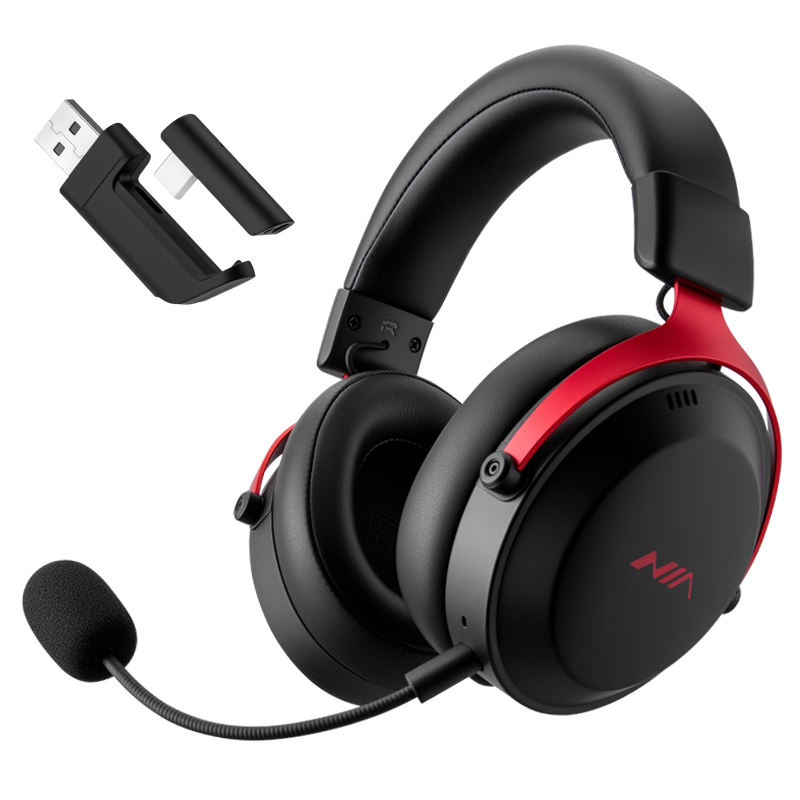
Microphone architecture is a product-positioning decision, not a small accessory choice. A detachable boom can make a wireless gaming headset easier to use for music, travel, and office work, while a fixed boom can simplify handling and reduce the chance of a loose part. The better design depends on the target user, channel, service model, packaging, mechanical requirements, and cost structure.
This buying guide uses the G925 China OEM project as a practical reference. The platform combines 2.4GHz and Bluetooth wireless modes, a detachable microphone, 53mm driver positioning, and private-label development support. The purpose is not to repeat the case study, but to help gaming brands decide when a detachable microphone creates useful value and when a fixed design is the more disciplined choice.
Why Microphone Design Matters for Gaming Brands
Choose microphone architecture according to the headset's primary use cases, service model, packaging plan, and mechanical risk, rather than treating it as a visual preference.
For a gaming-first product, microphone intelligibility, stable positioning, mute behavior, and reliable two-way wireless audio are central to the user experience. For a headset expected to move between gaming, calls, commuting, and music, the boom also changes how the product looks and feels outside a gaming setup. A non-removable boom may be convenient during play but visually intrusive on a train or in an office.
The decision also affects ownership after the sale. A damaged detachable boom can potentially be replaced without returning the entire headset, provided spare parts are available and connector specifications remain controlled. A fixed microphone cannot be lost and needs no separate storage, but damage to its boom, cable, hinge, or internal connection may require repair or replacement of the complete unit.
Private-label buyers should therefore define the microphone requirement before confirming industrial design and packaging. They need to know whether the product is primarily for competitive gaming, general entertainment, hybrid work, mobile use, or a wider lifestyle audience. That answer determines whether removal, folding, rotation, storage, and spare-part planning create real buyer value.
G925 China OEM Project Overview
G925 provides a useful example of a wireless private-label platform that uses a detachable boom microphone to support gaming and broader daily-use scenarios.
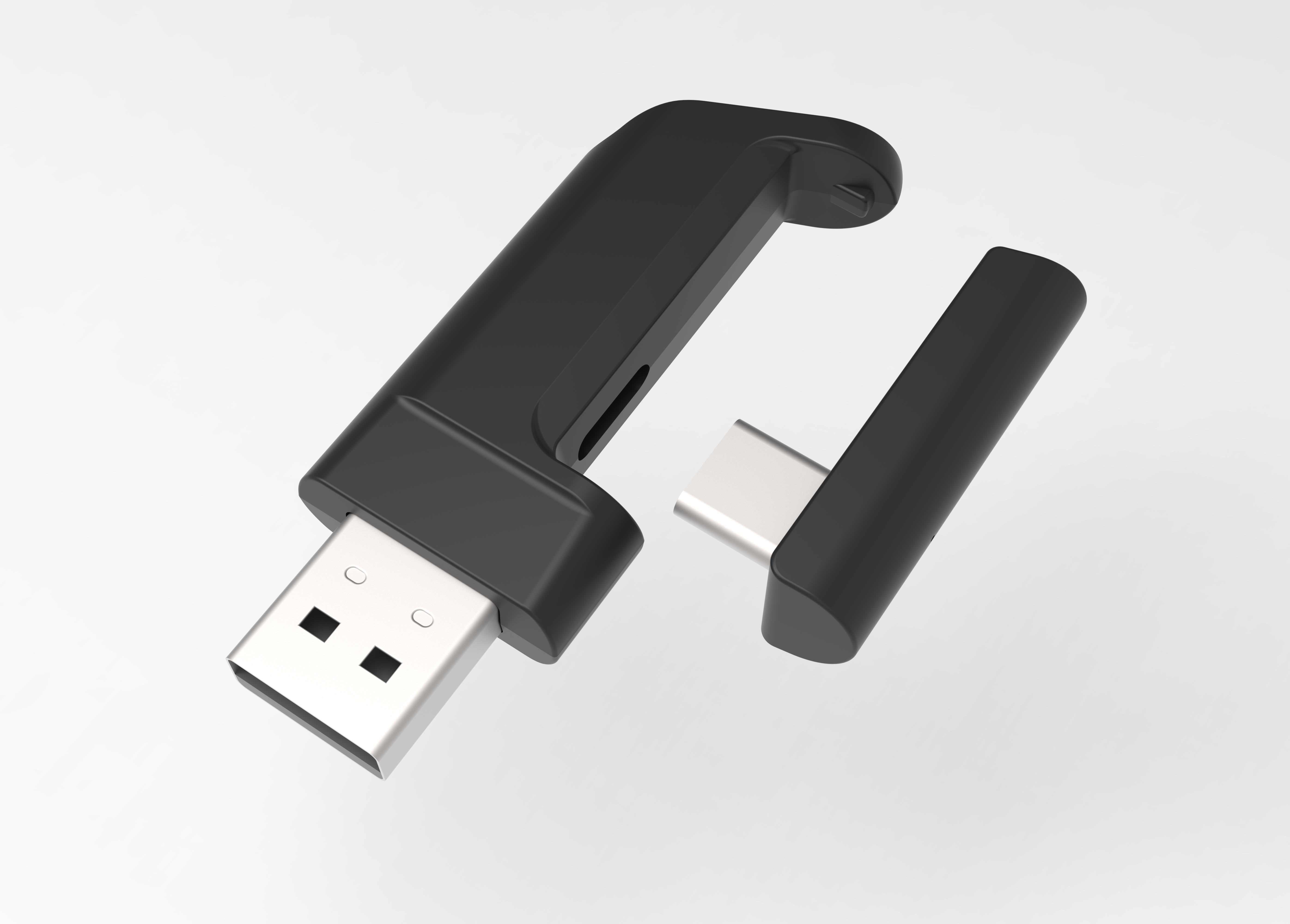
The G925 China OEM project was developed for a China gaming brand, e-commerce seller, and distributor preparing a product for multiple sales markets. Public project materials identify 2.4GHz and Bluetooth wireless modes, a detachable microphone, a 53mm dynamic driver direction, a USB-A and Type-C dongle accessory arrangement, RGB styling, logo and packaging customization, and compliance support according to the target market and final configuration.
The detachable boom helps the platform move between communication-focused gaming and microphone-free listening. It does not by itself guarantee microphone quality. Capsule selection, boom geometry, inlet position, wireless voice path, DSP or noise-reduction configuration, host behavior, and production consistency still need to be evaluated on the finished headset.
For the buyer, the case demonstrates a broader sourcing principle: the microphone should be reviewed together with the wireless modes, target devices, accessory set, packaging, user instructions, spare-parts policy, and QC plan. Buyers can review the full G925 case study for the project context and the G925 product page for the platform direction.
| Project item | G925 platform direction |
|---|---|
| Product type | Private-label wireless gaming headset |
| Wireless modes | 2.4GHz transmitter connection and Bluetooth |
| Microphone | Detachable boom microphone |
| Driver direction | 53mm dynamic driver |
| Accessory direction | USB-A and Type-C dongle arrangement plus project-defined cables |
| OEM scope | Logo, packaging, accessory, wireless, QC, and compliance coordination according to the approved project |
Detachable vs Fixed Gaming Headset Microphones: Which Design Is Better for Private-Label Brands?
A detachable microphone is usually stronger for hybrid gaming and lifestyle positioning; a fixed microphone is often stronger for simple handling, controlled part count, and always-ready communication.
More OEM brands are evaluating detachable microphones because one wireless headset may be expected to serve several contexts. Removing the boom makes the product less conspicuous for music, travel, mobile gaming, or office listening. It also gives service teams a replaceable component when the boom or capsule is damaged. This can extend the useful life of the main headset, but only when replacement microphones are stocked, connector versions are controlled, and the customer can identify the correct spare part.
Fixed microphones remain appropriate for gaming-focused SKUs, internet cafes, team environments, call-heavy use, or entry-level retail products where the boom must always be available. A rotating or folding fixed boom is difficult to lose and avoids a separate item in the box. It can simplify the user manual and reduce questions about insertion orientation. The tradeoff is that the microphone remains visually attached, and structural damage may be more costly to service.
Packaging changes with the architecture. A detachable microphone needs a defined tray pocket or protected accessory compartment so the capsule, plug, and flexible boom are not crushed. The box-opening sequence should make the part easy to find, and the manual should show installation, removal, mute operation, and storage. A fixed microphone needs enough clearance around its folded position and protection against sustained bending or pressure during transit.
Usage priorities should decide the result. Competitive or multiplayer gaming benefits from repeatable microphone positioning and an obvious mute state. Office calls favor a clean voice path and convenient boom placement, but hybrid workers may value removing the microphone after calls. Music and travel users generally prefer a cleaner silhouette. Product managers should weight these scenarios instead of assuming that one architecture is universally premium.
Cost differences are project-specific. A detachable design adds a socket, plug, retention system, separate assembly, packaging position, connector tests, and possible spare-part inventory. A fixed design may reduce loose parts but can require a durable rotation mechanism, strain relief, internal cable routing, and more expensive whole-unit service if the boom fails. The correct quotation must compare the complete design and service system, not only the microphone component price.
| Buyer consideration | Detachable microphone | Fixed microphone |
|---|---|---|
| Primary positioning | Gaming plus office, music, travel, and lifestyle use | Gaming-first or communication-first use |
| User experience | Clean silhouette when removed; user must install and store the boom | Always ready; no separate part to manage |
| After-sales service | Boom can be replaced if compatible spares are controlled | Boom cannot be lost; failure may require whole-unit repair |
| Packaging | Requires a protected accessory pocket and clear installation instructions | Requires safe folded clearance and protection from pressure |
| Product life | Replaceable boom can extend service life of the headset | Fewer separable parts, but structural damage can affect the full unit |
| Mechanical risks | Socket wear, insertion alignment, retention, contact reliability | Hinge wear, internal cable fatigue, strain relief, boom rotation |
| Cost direction | Added connector, assembly, test, packaging, and spare-parts controls | Potentially simpler part handling; service cost may be higher after damage |
| OEM attention | Connector specification, keying, insertion cycles, spare compatibility | Rotation limits, cable routing, hinge life, folded storage position |
Comparing microphone structures for a private-label wireless headset?
Share your user scenarios, target devices, channel, service policy, packaging concept, and expected quantity for an engineering review.
Discuss the microphone requirement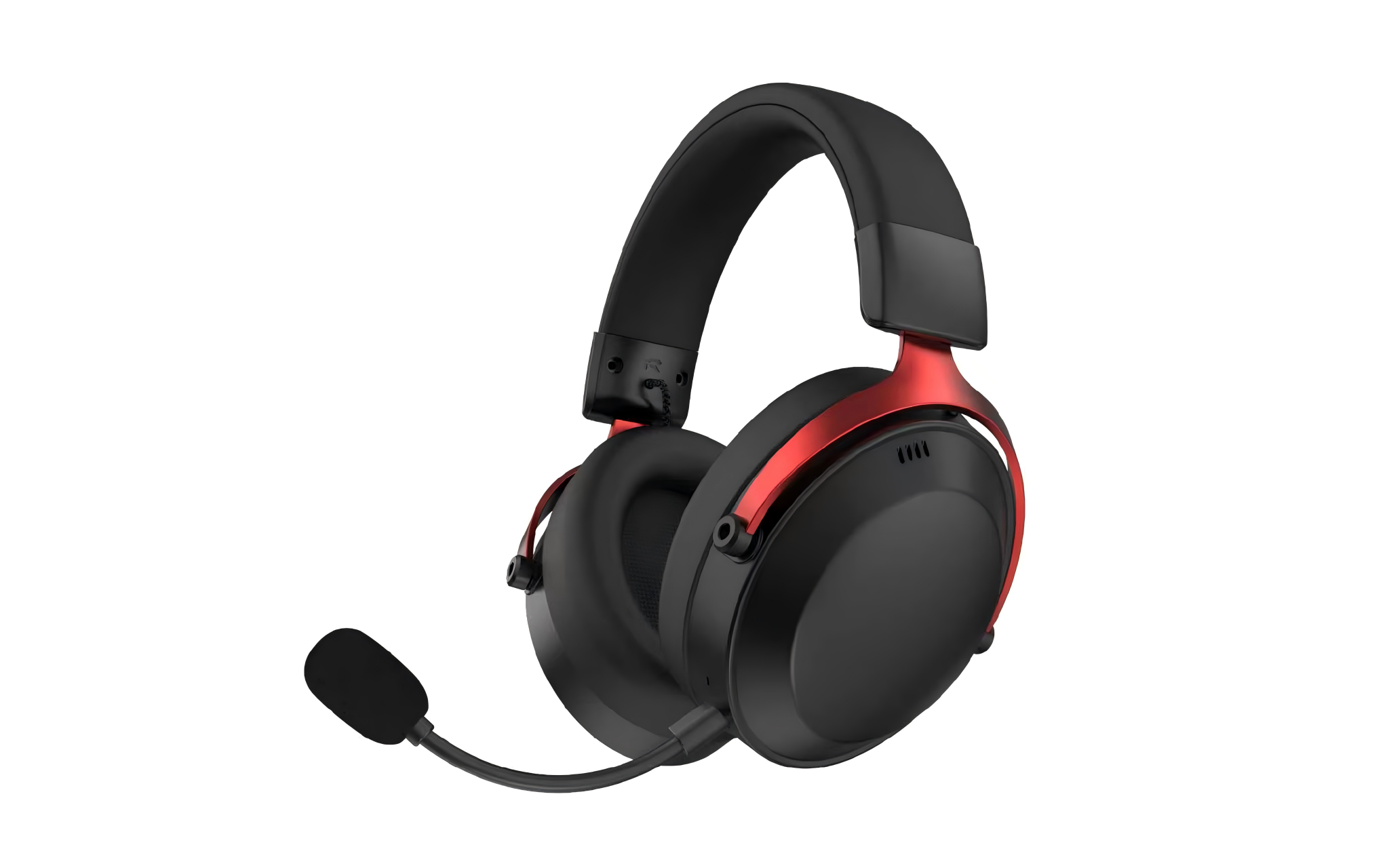
Technical Deep Dive: Why Detachable Microphone Structures Require Different Mechanical Design Considerations
A detachable boom requires a controlled mechanical and electrical interface that remains aligned, retained, and signal-stable through repeated insertion, handling, packaging, and mass production.
The microphone socket must provide sufficient retention without making insertion difficult. Mechanical keying should help users orient the plug correctly and prevent rotation that could move the capsule away from the mouth. The surrounding enclosure needs enough wall strength to resist leverage from the boom, while tolerances must keep the plug seated without excessive movement or visible gaps.
Connector durability is both mechanical and electrical. Engineering review may include insertion and removal cycling, contact resistance, intermittent-signal checks while the boom is moved, pull-out force, side-load exposure, and inspection for socket deformation. Test limits should come from the selected connector, product design, and approved quality plan rather than a generic claim applied to every project.
Signal reliability depends on clean contact surfaces, correct pin assignment, stable grounding, microphone bias or digital-interface requirements, and suitable protection from assembly contamination. The final wireless voice path should be checked in the 2.4GHz and Bluetooth operating modes that actually support microphone use. A microphone that sounds acceptable over one host or profile may behave differently through another voice path.
Replacement convenience needs version control. If the plug, wiring, capsule, boom length, inlet orientation, or firmware processing changes, an old spare may physically fit but deliver the wrong level or direction. Private-label programs should assign a spare-part code, define compatibility, retain approved samples, and decide how long replacements will remain available.
Packaging and mass production add further controls. The microphone should be protected from compression, the connector should not carry load inside the tray, and operators need a repeatable assembly and test method. Incoming inspection, functional voice checks, insertion verification, visual standards, pilot-run review, and production sampling help prevent loose sockets, poor contacts, incorrect microphone versions, and missing accessories from reaching the buyer.
Why 53mm Drivers Are Popular in Gaming Headsets
A 53mm driver can support the acoustic direction of an over-ear gaming headset, but diameter alone does not determine sound quality or make it inherently better than a well-integrated 50mm or 40mm driver.
Larger driver formats are popular in gaming-product positioning because they fit full-size earcups and can support suitable output, bass extension, and dynamic presentation when the motor, diaphragm, amplifier, and acoustic chamber are engineered together. The G925 project uses 53mm driver positioning as part of its platform specification.
Procurement teams should not select a headset from driver diameter alone. Frequency response is shaped by the front and rear chamber, vents, damping, ear-pad seal, clamping force, driver-to-ear distance, electronics, and DSP. Sensitivity, impedance, distortion, channel matching, and production tolerance can matter more than a small difference in nominal diameter.
The correct OEM process is to define an acoustic target and approve the assembled headset. Listening evaluation should be supported by repeatable measurements and golden-sample control. A 53mm unit is not automatically superior to a 50mm driver; it is one component inside a complete acoustic system.
2.4GHz vs Bluetooth Wireless
Use a dedicated 2.4GHz transmitter for gaming-oriented latency and host integration, and Bluetooth for convenient direct pairing where its supported profiles and latency fit the intended use.
A 2.4GHz gaming connection normally uses a dedicated USB transmitter. It can be developed around lower-latency game audio, microphone return, and predictable controls for selected PCs or compatible consoles. Buyers must still confirm connector type, host support, radio performance, mute behavior, indicators, coexistence, and firmware for each planned platform.
Bluetooth is useful for smartphones, tablets, notebooks, office calls, travel, and general music listening because it can connect without a separate dongle. Bluetooth performance depends on the chipset, codec, profile, firmware, host device, and operating mode. It is inaccurate to claim that all Bluetooth connections are low latency or that every Bluetooth mode provides the same voice quality while the microphone is active.
A dual-mode headset such as G925 can serve a wider set of scenarios, but it also requires clear mode switching, pairing logic, prompts, indicators, manuals, and support documentation. Brands should map each target device to the intended connection method and verify both playback and microphone behavior before approving packaging claims.
| Use case | 2.4GHz direction | Bluetooth direction |
|---|---|---|
| PC and compatible-console gaming | Dedicated transmitter path; validate latency, voice return, controls, and host support | Use only where supported latency and profiles fit the game scenario |
| Mobile | Possible with a compatible Type-C transmitter and verified host support | Convenient direct pairing for compatible phones and tablets |
| Office | Useful where a USB dongle and controlled voice path are preferred | Convenient for compatible notebooks and mobile calls; profile behavior must be checked |
| Travel and music | Requires carrying the transmitter | Usually simpler for direct wireless playback |
OEM Development Process
Freeze the microphone architecture early, then validate it through requirement review, engineering samples, packaging checks, pilot production, and controlled mass-production inspection.
The project begins with use cases and target devices. MACH and the buyer review whether the product is gaming-first or hybrid, how often the boom will be removed, which wireless modes carry microphone audio, whether mute is mechanical or electronic, and whether replacement microphones are part of the service plan.
The specification stage defines microphone type, capsule direction, boom length, connector or hinge structure, retention, mute behavior, wireless voice path, packaging position, spare-part code, logo, color, accessories, labels, and market claims. Engineering samples are then checked for fit, comfort, voice clarity, position stability, insertion or rotation behavior, mode switching, host compatibility, and packaging protection.
Pilot production verifies that operators, fixtures, inspection standards, firmware versions, accessory counts, and packaging instructions can reproduce the approved sample. Mass-production control can include incoming-component checks, functional microphone tests, wireless checks, visual inspection, packaging audits, and sampling against the agreed quality plan. Certification or compliance support must be confirmed for the destination markets and final configuration rather than assumed from a platform name.
This process applies whether a buyer selects G925, another wireless platform such as G90, or a more customized ODM structure. Related WH6 BT and X3 case studies show different wireless-product decisions, but the microphone and connection architecture should always be validated for the specific SKU.
Need a structured RFQ for a wireless gaming headset?
Send the target market, connection modes, microphone preference, acoustic direction, packaging, compliance needs, and quality requirements for platform matching.
Request an OEM evaluationOEM Buyer Checklist
A useful RFQ explains how the microphone will be used, serviced, packed, tested, and supported, not only whether it is detachable or fixed.
Procurement and product teams should align these points before requesting final quotations. Unresolved microphone, host, packaging, or service assumptions often reappear later as sample changes, cost revisions, or support issues.
- Define the primary audience: competitive gaming, casual gaming, hybrid work, travel, music, or mixed use.
- Choose detachable, fixed rotating, fixed folding, or retractable architecture and explain why.
- List every target host and the intended 2.4GHz or Bluetooth connection method.
- Define microphone voice target, boom position, mute behavior, indicators, prompts, and monitoring requirements.
- For detachable designs, define connector keying, retention, insertion expectations, storage, and spare-part availability.
- For fixed designs, define rotation range, stop position, hinge durability, cable routing, and folded packaging position.
- Confirm the dongle, charging cable, optional audio cable, microphone, adapter, and other box contents.
- Provide packaging dimensions, tray concept, transit requirements, manual languages, labels, and barcodes.
- Define target markets and request a project-specific compliance review for the final radio and accessory configuration.
- Agree sample stages, golden samples, voice tests, mechanical tests, pilot-run checks, AQL or other quality requirements, and change control.
- State expected quantity, target price direction, launch window, forecast, and replacement-parts policy.
Key Takeaways
The best microphone design is the one that fits the product's real usage and service system with the fewest unmanaged risks.
- Choose detachable for a cleaner lifestyle silhouette, hybrid use, and replaceable-boom service when spare parts can be controlled.
- Choose fixed for always-ready communication, fewer loose parts, and simpler handling when the boom remaining attached is acceptable.
- Evaluate packaging and after-sales cost together with component cost.
- Test the complete voice path on each intended wireless mode and target host.
- Treat 53mm as a driver format, not proof of superior sound.
- Do not describe every Bluetooth connection as low latency.
- Freeze mechanical, electrical, spare-part, firmware, QC, and packaging specifications before mass production.
Conclusion
Detachable and fixed microphones can both support credible wireless gaming headsets; the sourcing advantage comes from matching the architecture to the user, channel, engineering controls, and service plan.
G925 shows why a detachable microphone is attractive for a dual-mode private-label headset: the boom can be installed for multiplayer communication and removed for music, travel, or general wireless listening. That flexibility creates value only when connector durability, signal reliability, packaging, instructions, replacement compatibility, and mass-production tests are properly controlled.
A fixed microphone remains the better answer for some gaming-first products. Brands should compare the full ownership system rather than following a feature trend. MACH industry can evaluate G925 and other wireless gaming headset platforms against a buyer's microphone, wireless, acoustic, packaging, compliance, and production requirements.
Launch Faster With a Reliable OEM Partner.
Email: hardy.hu@mach-industry.com | WhatsApp: +86 18038083785
Contact MACH industryFrequently Asked Questions
Is a detachable microphone better for a gaming headset?
It is better when the product must move between gaming, office calls, music, and travel or when replaceable-boom service is valuable. A fixed microphone may be better for always-ready gaming communication and simpler part handling.
What are the disadvantages of a detachable gaming headset microphone?
The boom can be misplaced, and the design adds a socket, plug, retention requirement, packaging position, insertion testing, and spare-part compatibility control. Poorly controlled connectors can develop looseness or intermittent contact.
What are the advantages of a fixed gaming headset microphone?
A fixed boom is always available, cannot be lost as a separate accessory, and can simplify setup and packaging. It still requires durable rotation or folding mechanics, strain relief, and internal cable control.
Can a detachable microphone reduce after-sales costs?
It can when microphone failures can be resolved with a compatible replacement boom instead of returning the complete headset. The brand must stock and identify the correct spare version for this benefit to be practical.
How should a detachable microphone connector be tested?
A project-specific plan may check insertion and removal cycling, pull-out force, side load, contact stability while moving the boom, signal continuity, fit, visible gaps, and socket condition after testing.
Is a 53mm gaming headset driver better than a 50mm driver?
Not automatically. Driver construction, acoustic chambers, damping, ear-pad seal, tuning, amplification, distortion, channel matching, and production consistency determine the complete result.
Is Bluetooth suitable for low-latency gaming headsets?
Some Bluetooth configurations may support gaming use, but latency and two-way voice behavior depend on chipset, codec, profile, firmware, and host device. Buyers should not assume every Bluetooth connection is low latency.
Why do wireless gaming headsets use 2.4GHz dongles?
A dedicated 2.4GHz transmitter can provide a controlled gaming-oriented audio and microphone path for selected hosts. Connector, latency, voice return, controls, RF performance, and compatibility still require validation.
What should an OEM buyer include in a gaming headset microphone RFQ?
Include use cases, microphone architecture, target hosts, wireless modes, voice and mute requirements, mechanical expectations, packaging, spares, accessories, compliance markets, test plan, quantity, schedule, and quality requirements.
Can MACH support private-label wireless gaming headset development?
Yes. MACH industry supports platform evaluation, microphone and wireless specification review, branding, packaging, sampling, testing, compliance coordination, pilot production, QC, and mass-production preparation according to the approved project.
Related Resources
Need OEM/ODM gaming audio solutions?
Contact MACH Industry to discuss your gaming headset, gaming earbuds, or private-label audio project.
Contact MACH Industry