Home > Resources > OEM Knowledge
2.4G Wireless Gaming Headset OEM Development: Engineering Lessons from the X3 Spain Project
A premium engineering and sourcing guide for gaming brands planning a 2.4G wireless RGB gaming headset OEM project, using the X3 Spain case to explain low-latency wireless, Virtual 7.1, 40mm driver planning, ENC microphone review, compliance, QC, and mass production.
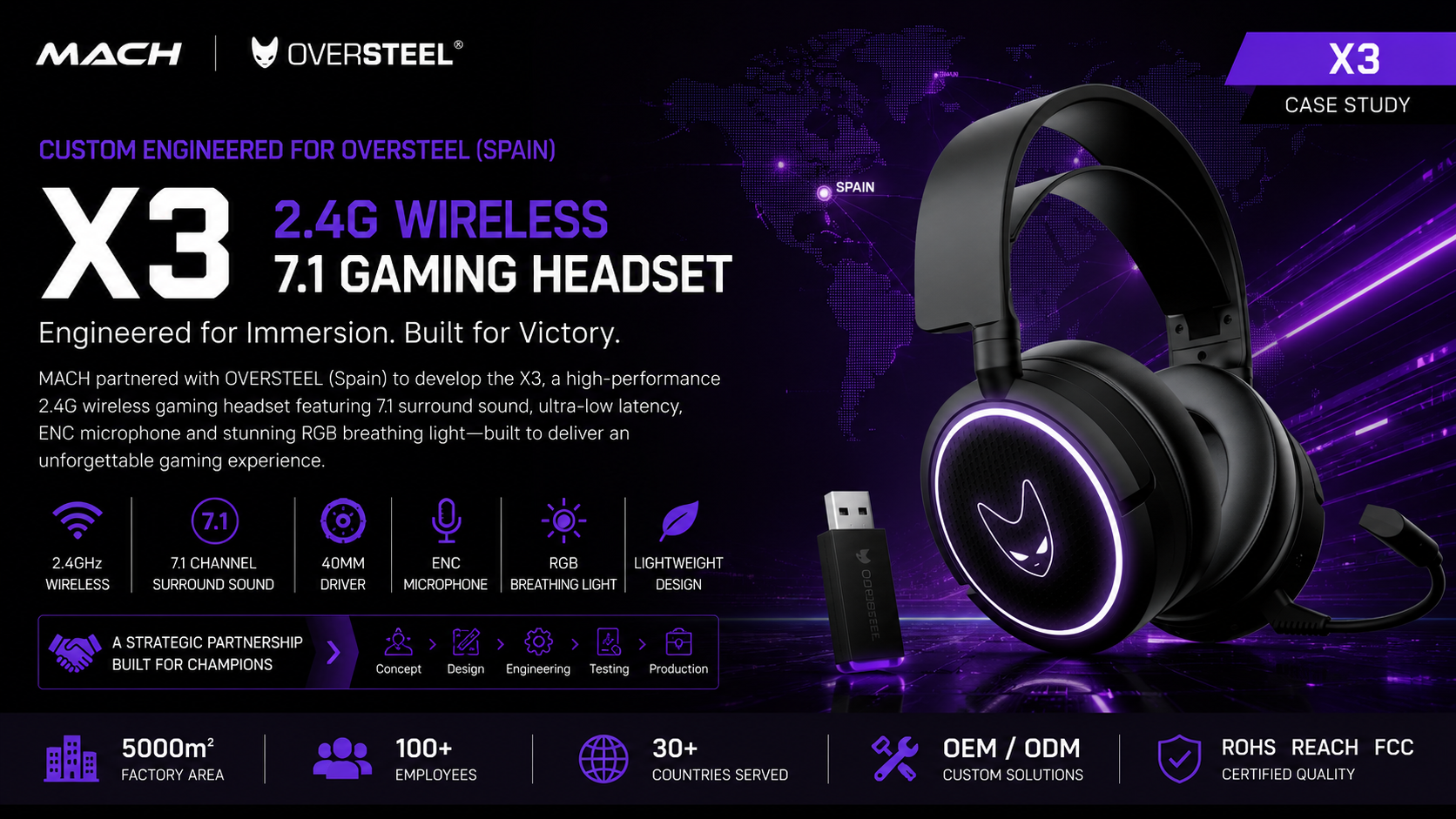
A 2.4G wireless gaming headset is no longer just a premium add-on for large gaming brands. For many mid-sized gaming brands, Amazon sellers, and retail-focused product teams, wireless headset development has become a practical way to create a stronger product line while meeting gamer expectations for low latency, immersive audio, clean voice communication, and visual identity.
This article uses the X3 Spain OEM project as a learning example. The project involved a Spain gaming brand developing a 2.4G wireless gaming headset with Virtual 7.1 surround sound, RGB lighting, 40mm driver planning, ENC microphone requirements, private-label customization, and RoHS, REACH, and FCC support. The purpose is not to copy the case study. Instead, this guide explains the engineering, sourcing, and production decisions that buyers should understand before working with a wireless gaming headset manufacturer or OEM headset factory in China.
Project Overview
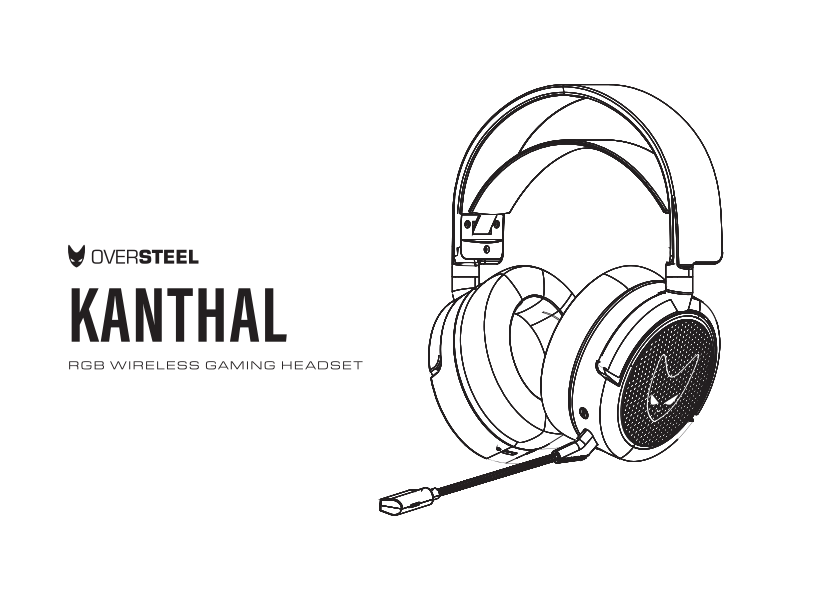
The X3 Spain OEM project shows how a private label wireless gaming headset can be developed from a ready-made 2.4GHz platform while still meeting brand, packaging, RF, acoustic, microphone, and compliance requirements.
The X3 project was developed for a Spain gaming brand that needed a 2.4G wireless gaming headset for online and retail channels. The target product direction included low-latency wireless audio, Virtual 7.1 surround sound, RGB lighting, a 40mm driver direction, ENC microphone requirements, logo and packaging customization, and compliance support for RoHS, REACH, and FCC.
From a sourcing perspective, this is a typical private label wireless gaming headset project: the buyer wants a differentiated product without starting from a fully custom electronic and mechanical design. MACH industry acted as the gaming audio OEM partner, helping convert the buyer’s product goals into a manufacturable specification supported by RF review, acoustic evaluation, tooling follow-up, certification documentation, QC checks, and mass production coordination.
Customer Requirements
A gaming brand does not only need a headset sample. It needs a product configuration that can survive real channel requirements, gamer expectations, and repeated production.
The buyer needed support from an OEM gaming headset manufacturer for a Spain-focused wireless gaming headset project. Key requirements included 2.4GHz low-latency performance, Virtual 7.1, RGB lighting, private label identity, packaging customization, compliance document support, RF stability, microphone quality, acoustic tuning, cost control, and mass production readiness.
For buyers comparing a gaming headset supplier in China, these requirements are important because they affect both product experience and commercial execution. A headset may look visually complete in a render, but the buyer still needs to confirm wireless range, dongle behavior, charging interface, driver tuning, microphone pickup, packaging claims, compliance documents, and final inspection standards. A strong RFQ should make these requirements visible before sample development begins.
Engineering Challenges
Wireless gaming headset development requires coordination between RF design, acoustic design, battery layout, microphone performance, mechanical comfort, and production control.
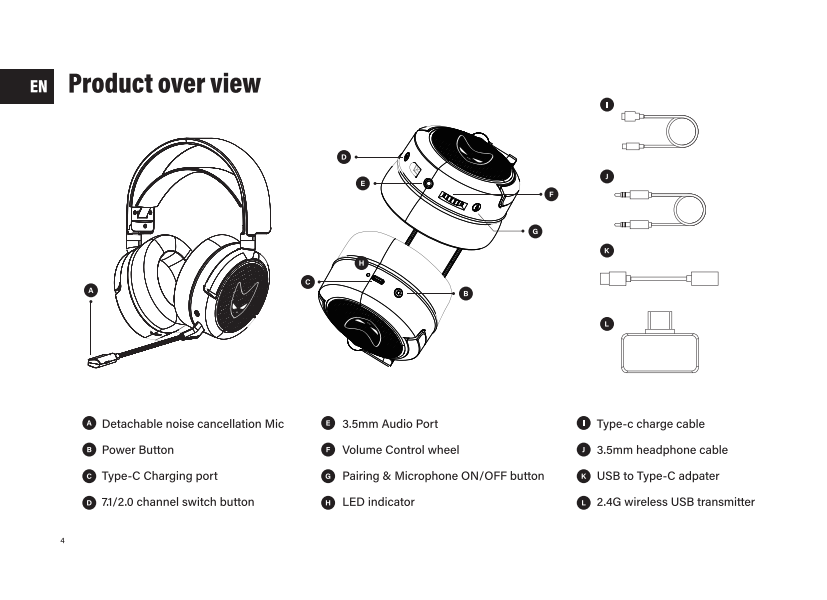
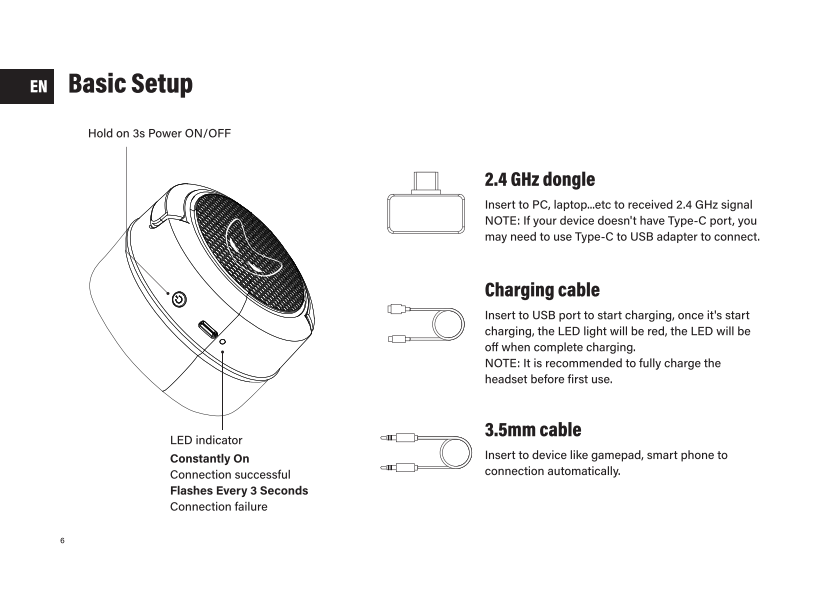
A custom wireless gaming headset has more failure points than a basic wired headset. The RF path must remain stable, the dongle should connect reliably, latency must be suitable for gaming, the headset should charge predictably, the battery and PCB layout must fit the earcup structure, and the microphone system must support multiplayer communication. Adding RGB lighting and Virtual 7.1 increases the number of items that must be validated before production.
For the X3-type project, the practical engineering challenges include RF stability, antenna performance, acoustic review, microphone consistency, mold reliability, headset weight control, tooling accuracy, certification preparation, and cost management. None of these items should be treated as isolated specifications. A change in battery size, PCB position, earcup shape, or microphone structure can affect comfort, RF behavior, acoustic chamber volume, assembly flow, and production yield.
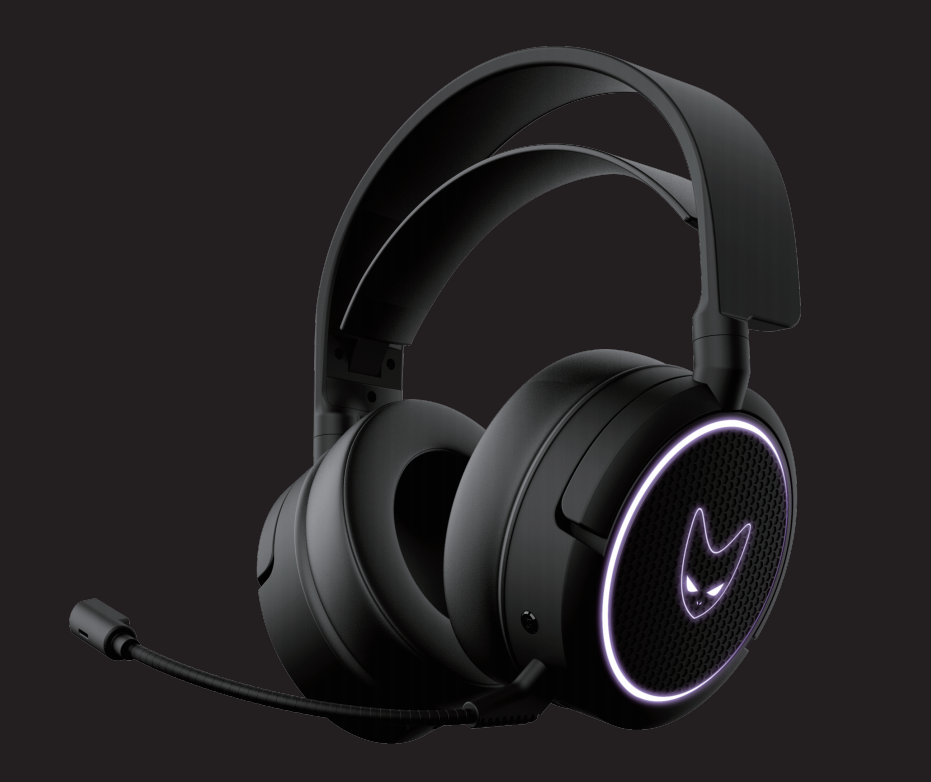
How MACH Solved the Project
MACH industry supported the X3 project by using an existing wireless gaming headset platform as the base, then coordinating RF, acoustic, packaging, logo, compliance, trial production, QC, and mass production work around the buyer’s requirements.
For a Spain gaming brand, using a ready-made wireless platform can reduce development time and technical risk. MACH industry used the X3 wireless headset platform to organize industrial design review, structure support, PCB and RF validation, acoustic review, tooling follow-up, packaging and logo customization, certification document support, trial production, QC checks, and mass production planning.
This approach gives buyers a practical route between generic sourcing and fully custom ODM development. The buyer can customize the product identity, packaging, feature positioning, microphone requirements, and compliance documentation while relying on a platform that has already been engineered for wireless headset production. The result is not a one-off sample, but a project structure designed for repeatable manufacturing.
Why 2.4GHz Wireless Gaming Headsets Are Becoming the Preferred Choice for European Gaming Brands
European gaming brands are increasingly choosing 2.4GHz wireless platforms because they offer a practical balance between low-latency gaming performance, retail feature value, and manageable OEM development risk.
Many European gaming brands are gradually moving away from wired-only headset lines because buyers expect more freedom of movement and a cleaner desktop or console setup. Wired headsets still have a place, but a 2.4GHz wireless gaming headset gives brands a stronger feature story for mid-range gaming audio, especially when the product is positioned for console and PC gamers.
Low latency matters most in fast-paced FPS games, where audio delay can affect player perception of footsteps, direction, and timing. A 2.4GHz dongle-based headset is often easier to position for gaming than general Bluetooth audio because the buyer can present it as a dedicated low-latency wireless solution. The exact latency and range should always be validated during sample review rather than assumed from a specification sheet.
Virtual 7.1 surround sound adds an immersive feature layer for users who want a wider spatial gaming experience. RGB lighting increases shelf appeal and product recognition in retail or online images. ENC microphone design helps improve multiplayer communication by reducing some background noise and making voice chat more usable in normal gaming environments. These features work best when they are treated as a complete product system rather than separate marketing claims.
OEM brands often choose ready-made wireless platforms instead of developing from scratch because RF, battery, PCB, antenna, tooling, acoustic chamber, and firmware-related decisions can create cost and schedule risk. A proven platform lets the brand focus on market fit, packaging, logo, compliance, and channel launch. Before launching, buyers should still review wireless stability, dongle compatibility, battery planning, driver direction, microphone behavior, certification scope, MOQ, packaging claims, and after-sales support expectations.
OEM Development Process
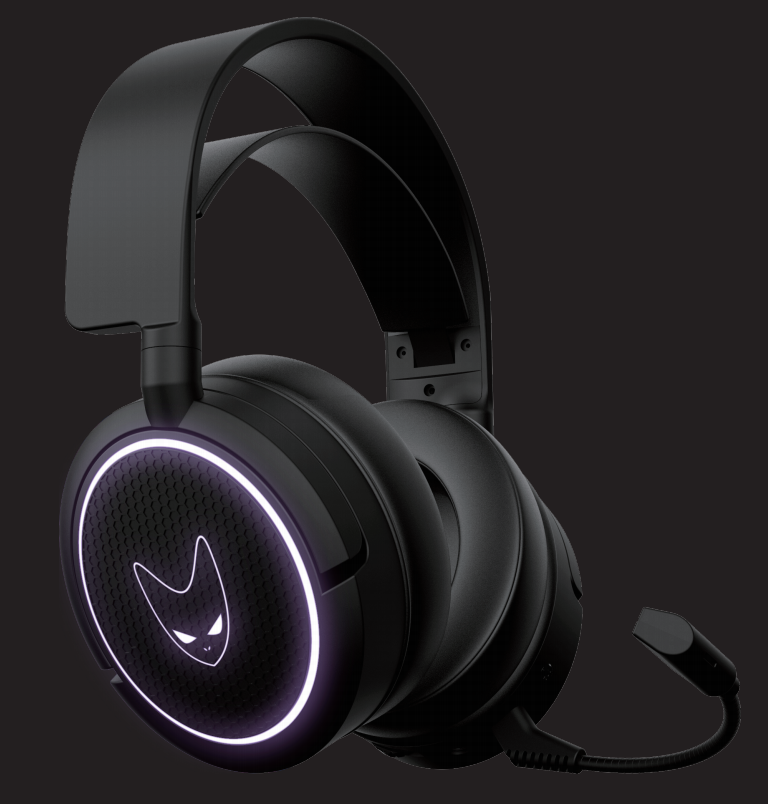
A reliable OEM 2.4G gaming headset project should move through requirement review, platform matching, sample validation, compliance preparation, trial production, QC, and mass production control.
The first step is to define the product brief: market, user profile, price position, wireless mode, audio features, driver target, ENC microphone requirements, RGB expectations, logo position, packaging scope, certification needs, and launch timing. This allows the manufacturer to decide whether an existing platform fits or whether deeper ODM work is needed.
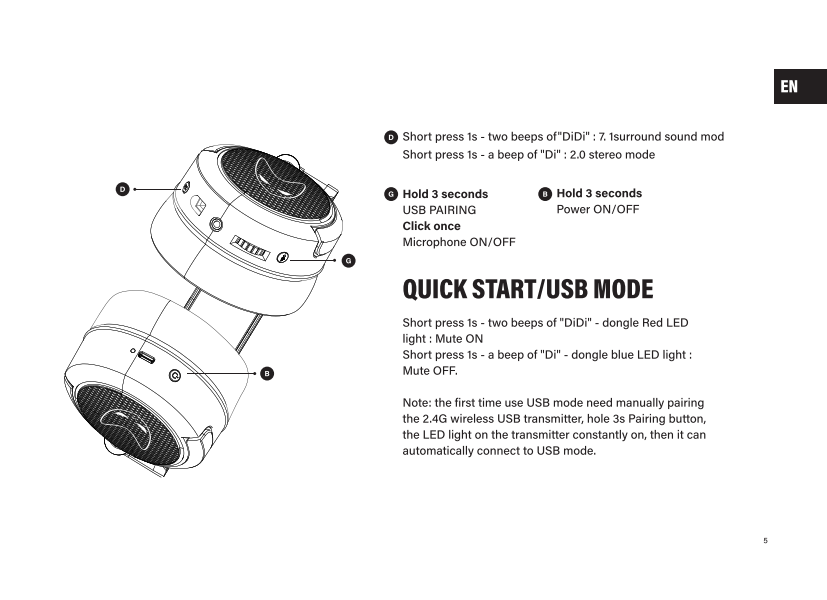
The next stages are platform matching and sample validation. Buyers should test wireless pairing, dongle recognition, audio output, Virtual 7.1 mode behavior, RGB function, microphone pickup, charging, comfort, controls, packaging accuracy, and documentation. After sample approval, trial production helps confirm that the approved configuration can be repeated before moving to mass production.
Quality & Compliance
Wireless gaming headset quality should be evaluated through product function, RF performance, acoustic behavior, microphone clarity, packaging accuracy, and compliance documentation.
For the X3 Spain project, the certification scope included RoHS, REACH, and FCC support. RoHS and REACH are especially relevant for European market planning because buyers may need restricted-substance documentation for retail, marketplace, or distributor requirements. FCC support can matter when brands also sell into markets where radio-frequency compliance documentation is required.
Quality control should include RF stability, speaker output, microphone and ENC behavior, dongle function, charging, RGB lighting, button behavior, cosmetic finish, packaging, labels, accessories, and final inspection before shipment. MACH industry treats compliance and QC as part of the product development workflow, not as paperwork added after production has already started.
OEM Buyer's Checklist
A clear buyer checklist helps reduce delays, sample revisions, and misunderstandings between the brand and the factory.
Before contacting a wireless gaming headset manufacturer, buyers should prepare the target market, sales channel, headset positioning, expected wireless mode, platform compatibility, driver preference, microphone expectations, RGB requirements, packaging files, certification needs, target timeline, and estimated order planning. If the product will be sold in Spain or broader Europe, RoHS and REACH document requirements should be discussed early.
Buyers should also ask practical engineering questions: What wireless frequency range is used? How is the dongle configured? What is the battery and charging plan? How is the ENC microphone tested? Is Virtual 7.1 hardware, software, or mode-based? What quality checks are performed before shipment? What parts of the product are fixed by the platform, and what can be customized for a private label wireless gaming headset?
Lessons Learned
The X3 Spain OEM project shows that successful wireless headset development depends on aligning product features with manufacturing reality.
The main lesson is that a wireless RGB gaming headset should not be treated as a simple catalog selection. For gaming brands, the product must meet user expectations for low latency, sound, microphone clarity, comfort, charging, and visual identity. For the factory, it must remain stable through tooling, assembly, RF testing, packaging, QC, and shipment.
A ready-made platform can be a strong starting point, but it still needs structured OEM development. The buyer and manufacturer should agree on what is customized, what is fixed by the platform, what documents are required, and how the approved sample will be translated into mass production. This is where an experienced OEM gaming audio manufacturer creates practical value.
Related Products and Related Case Studies
Buyers evaluating the X3 project can compare related wireless gaming headset categories and other MACH case studies before choosing the best OEM route.
For category research, buyers can review the Gaming Headsets category and the 2.4G Wireless Gaming Headset supplier page to compare wireless headset positioning. For service planning, the OEM/ODM page explains how MACH industry supports product development, packaging, testing, compliance, and manufacturing coordination.
Related case studies can help buyers compare project types across different markets, including WH6 Korea OEM wireless headset development, G27 Australia wired RGB headset development, and other private-label gaming audio programs. To start a new 2.4G gaming headset OEM project, contact MACH industry with your target market, platform requirements, feature list, packaging scope, compliance needs, and launch timeline.
Conclusion
A 2.4G wireless gaming headset project succeeds when brand positioning, engineering validation, compliance planning, and production control are managed together.
The X3 Spain OEM project demonstrates how a gaming brand can use a ready-made wireless platform while still developing a private label product with meaningful market value. Low-latency 2.4GHz wireless, Virtual 7.1, RGB lighting, 40mm driver planning, ENC microphone review, packaging customization, and compliance support all contribute to a stronger retail and online product offer.
MACH industry supports gaming brands that need a gaming headset factory and OEM/ODM gaming audio partner for wireless headset development. Share your target market, channel, feature expectations, compliance requirements, and launch plan to evaluate the most practical OEM path for your next gaming audio product.
Frequently Asked Questions
What should buyers check before starting a 2.4G gaming headset OEM project?
Buyers should confirm the target market, wireless latency expectations, platform compatibility, driver size, microphone requirements, battery and charging needs, RGB lighting scope, packaging, certification requirements, sample approval process, and mass production timeline before requesting a quotation.
Why do gaming brands choose 2.4GHz wireless instead of Bluetooth for gaming headsets?
Many gaming brands choose 2.4GHz wireless because it can provide more predictable low-latency performance for gaming scenarios, especially when a dedicated dongle is used. Bluetooth may still be useful for general audio, but 2.4GHz is often preferred for console and PC gaming headset projects.
Can MACH industry support private label wireless gaming headset development?
Yes. MACH industry supports private label wireless gaming headset development, including logo customization, packaging files, wireless platform evaluation, acoustic review, microphone checks, RGB lighting, certification document support, QC, and production coordination.
What is the role of Virtual 7.1 in an OEM gaming headset?
Virtual 7.1 can help create a more immersive gaming audio experience and gives brands a stronger feature message for online and retail channels. It should be reviewed together with the chipset, software or mode behavior, driver tuning, and target user expectations.
Is a 40mm driver suitable for a wireless RGB gaming headset?
A 40mm driver can be suitable when the headset structure, acoustic chamber, battery layout, weight target, and price position are balanced correctly. Driver size should be confirmed through sample review and tuning direction rather than selected as a standalone marketing specification.
Why is ENC microphone performance important for multiplayer gaming?
ENC microphone design helps improve voice communication by reducing some environmental noise and improving call clarity in gaming scenarios. Buyers should evaluate microphone pickup, position, ENC behavior, and consistency between approved samples and mass production.
What compliance documents may matter for European gaming headset brands?
For European or multi-market projects, buyers may need RoHS, REACH, CE-related documentation, and other market-specific files depending on product configuration and sales channel. FCC may also be relevant for brands selling into additional markets such as the United States.
How does MACH industry reduce risk during wireless headset mass production?
MACH industry reduces risk through requirement review, platform selection, RF and acoustic validation, sample approval, packaging and logo checks, trial production, QC inspection, certification document support, and production coordination before shipment.
Can a gaming brand use an existing wireless headset platform instead of developing from scratch?
Yes. Many OEM buyers use an existing wireless platform to reduce tooling cost, development time, and technical risk. The brand can still customize logo, packaging, color direction, feature configuration, microphone requirements, and production documentation.
Does MACH industry disclose customer names or order quantities in case-based articles?
No. When customer information is confidential, MACH industry uses anonymous descriptions such as a Spain gaming brand and avoids publishing customer names, prices, order quantities, or sensitive commercial details.
Related Resources
Need OEM/ODM gaming audio solutions?
Contact MACH Industry to discuss your gaming headset, gaming earbuds, or private-label audio project.
Contact MACH Industry