Home > Resources > Gaming Headset Guide
How Brands Evaluate Plug-In Microphones for Lightweight Wired Gaming Headsets
A B2B buyer guide to plug-in microphone structure, voice validation, serviceability, packaging and production control for lightweight wired gaming headset OEM programs.
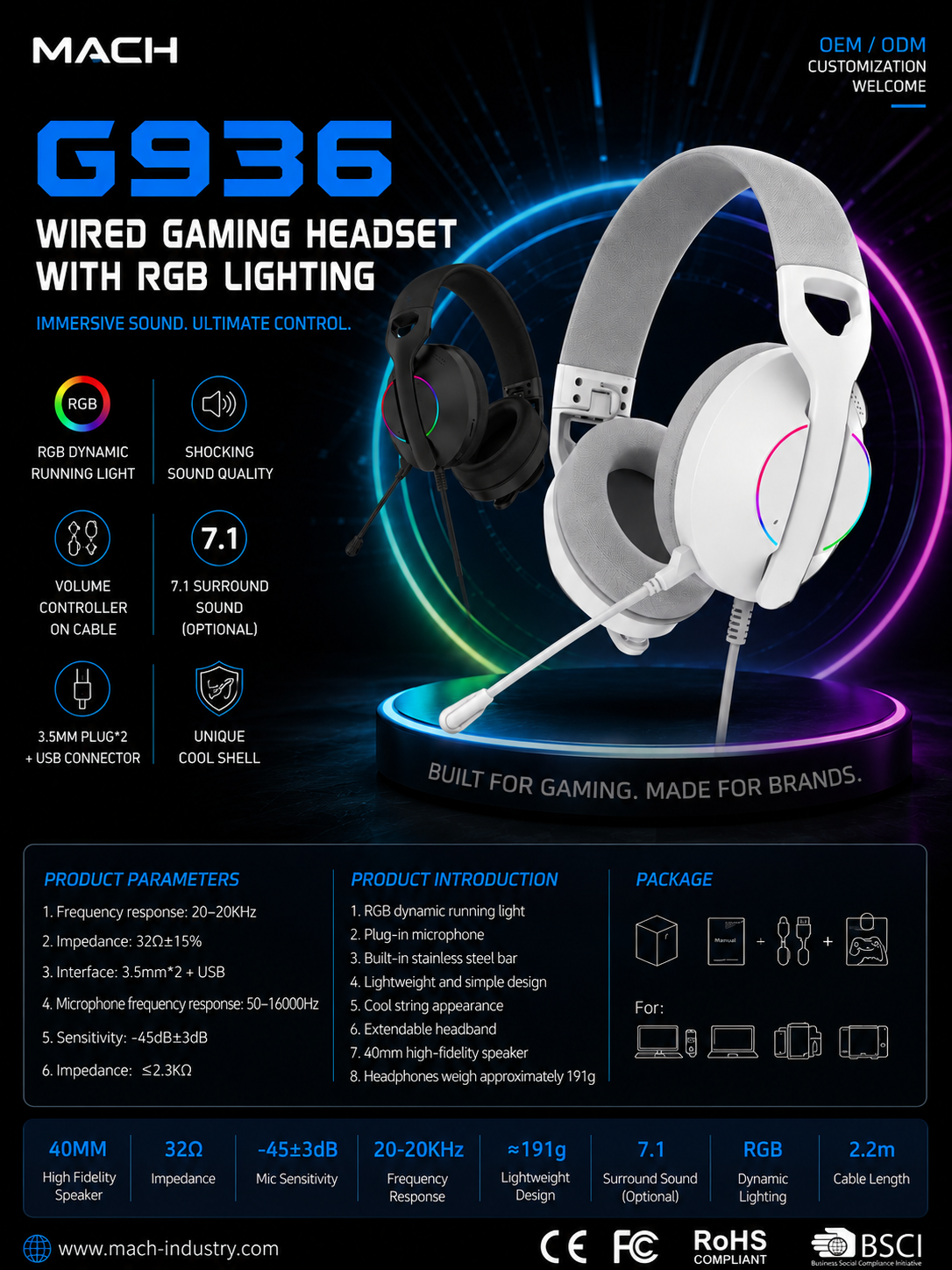
A plug-in microphone can make a lightweight wired gaming headset easier to pack, use across gaming and listening scenarios, and support after launch, but only when the microphone socket, signal path, retention, voice performance and accessory control are engineered as one system. Buyers should evaluate more than whether the boom can be removed.
For a private-label brand, the practical question is whether the removable microphone improves the intended product experience without adding avoidable contact faults, lost accessories, confusing instructions or inconsistent voice quality. The right decision depends on user scenarios, package design, service policy, target hosts and the quality controls applied to the final mass-production configuration.
MACH G936 provides a documented reference for this decision. It is an approximately 191g wired gaming headset platform with two 3.5mm plugs plus USB, USB audio support for PC gaming use, a plug-in microphone, a 40mm speaker, RGB dynamic running light, inline volume control and optional virtual 7.1 surround sound. This guide uses those confirmed facts to explain the buyer decision rather than repeating the product page.
Why Plug-In Microphone Design Matters to Wired Headset Buyers
A plug-in microphone affects product positioning, mechanical reliability, voice quality, packaging, replacement support and the way customers use a wired gaming headset.
Microphone structure is a product-platform decision, not a cosmetic detail. A fixed boom stays with the headset and reduces the chance of a missing accessory. A plug-in boom allows the headset to be used without a visible microphone for music or general listening and can make a damaged microphone easier to replace. Neither direction is automatically superior.
The removable format can support a broader usage story for gaming brands, Amazon sellers and retail programs. Users can attach the microphone for team communication and remove it when the headset is used for media. The brand must still explain where the microphone is stored, how it is oriented, which socket it uses and whether replacement units are available.
A detachable accessory also changes the service model. If a voice complaint is isolated to the boom or its connector, replacing the microphone may be more practical than replacing the complete headset. That benefit depends on controlled connector dimensions, electrical compatibility and stable replacement specifications across production batches.
For procurement teams, the correct evaluation therefore covers insertion feel, retention, contact stability, microphone position, speech performance, package protection, spare-part identification and inspection. A feature icon reading removable microphone cannot substitute for this work.
| Buyer concern | Plug-in microphone opportunity | Control required |
|---|---|---|
| Usage flexibility | Remove the boom for listening | Clear installation and storage instructions |
| Service | Replace the microphone separately | Stable connector and spare-part specification |
| Packaging | Compact accessory arrangement | Protected, visible microphone location |
| Reliability | Serviceable signal interface | Retention and repeated-insertion testing |
| Voice quality | Positionable boom near the user | Final-headset speech validation |
G936 Lightweight Wired Gaming Headset Platform Overview
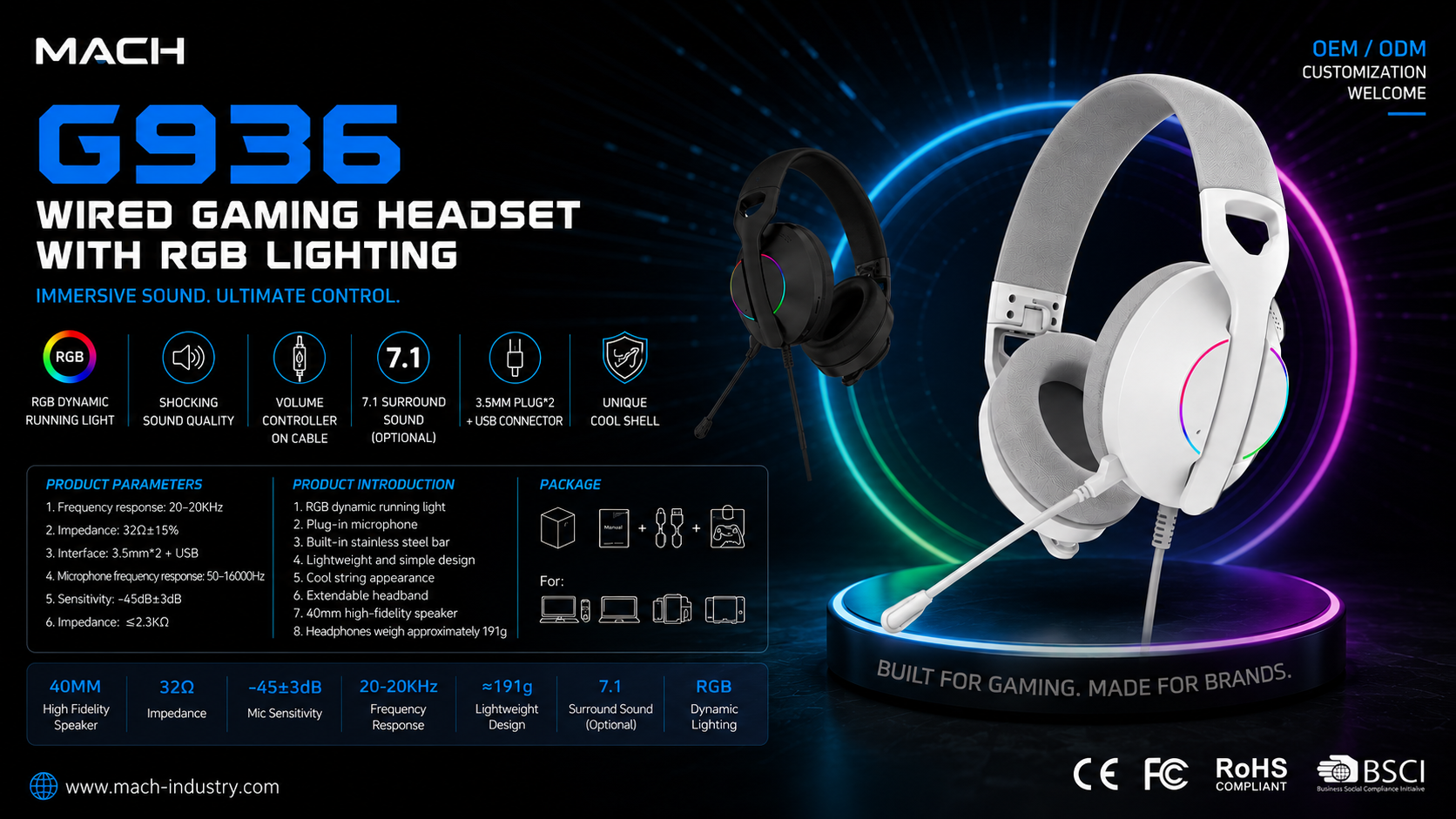
G936 is an approximately 191g private-label wired headset platform combining a plug-in microphone, 40mm speaker, dual 3.5mm plugs, USB audio, RGB and an optional virtual 7.1 direction.
The confirmed connection set is two 3.5mm plugs plus a USB connector. This supports a PC-oriented wired program in which audio, microphone and USB functions must be stated clearly for the released configuration. Published compatible-device directions include PC or notebook, Nintendo Switch, mobile phones with a 3.5mm jack, Xbox One and PS4; the required plug or adapter arrangement should be validated for each target device.
The acoustic platform uses a 40mm high-fidelity speaker with a listed 20Hz-20KHz response and 32-ohm impedance. These values describe the component direction, not the complete listening result. Enclosure volume, cushions, seal, source, tuning and production consistency still influence sound quality.
The plug-in microphone is listed with a 50Hz-16000Hz response, -45dB plus or minus 3dB sensitivity and impedance no greater than 2.3K ohms. Its final voice result depends on the boom, port geometry, user position, connector, cable path, host input and any selected USB audio implementation.
Other confirmed features include RGB dynamic running light, an inline volume controller, built-in stainless-steel bar, extendable headband and approximately 191g weight. Virtual 7.1 surround sound is an option and should be quoted, sampled, tested and labeled as a selected configuration rather than assumed for every unit.
Engineering a Serviceable Plug-In Microphone for a Lightweight Wired Headset
A serviceable plug-in microphone requires coordinated mechanical, electrical, acoustic, packaging and replacement controls; removability alone does not establish reliability.
Mechanical design starts at the microphone socket. The connector must guide the plug into the intended orientation, provide enough retention for normal head movement and resist intermittent contact when the cable or boom is touched. Excessive insertion force creates a poor user experience; insufficient force can allow the boom to loosen. The housing around the socket must carry repeated insertion loads without cracking or deforming.
The headset's approximately 191g target makes structural discipline important. Reinforcement around the microphone interface should protect the socket without adding unnecessary mass or disturbing ear-cup balance. The stainless-steel bar and extendable headband support the overall structure, but the final sample must still be evaluated for clamp, adjustment, ear-cup position and weight distribution.
Electrical reliability requires more than a continuity check. Contact dimensions, surface condition, wiring, soldering and internal strain relief must remain stable across repeated use. Buyers should test speech while the boom is gently moved, inserted, removed and reinstalled. Intermittent voice, channel leakage, noise or level changes are more useful failure indicators than a simple pass at rest.
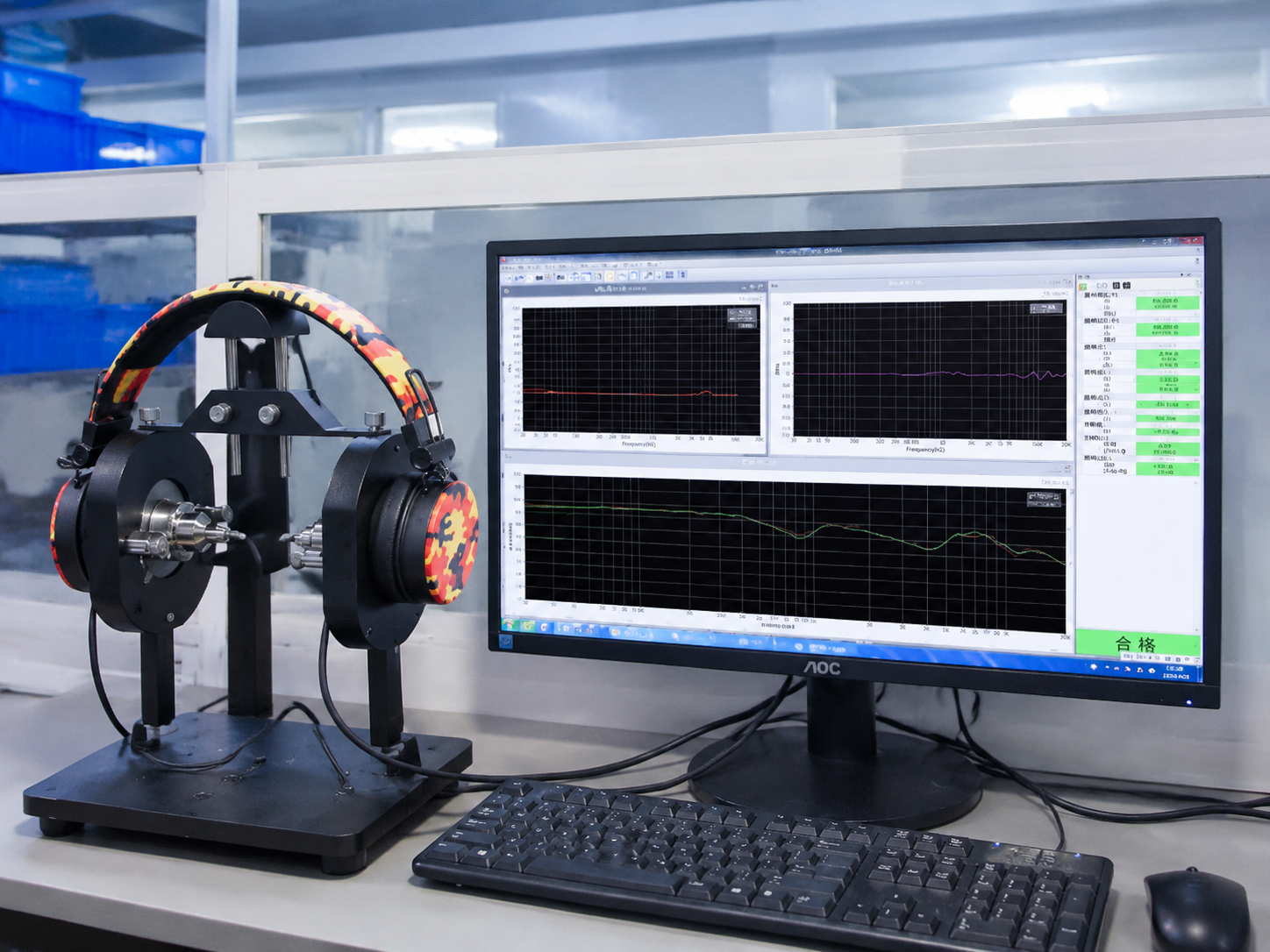
Acoustic approval should use the complete microphone chain. The published response, sensitivity and impedance are inputs, while intelligibility depends on capsule orientation, boom length, mouth distance, port geometry, headset fit, host input and background conditions. A controlled call or recording comparison can supplement electrical measurements, but the method and acceptance limits should be repeatable.
Serviceability needs a defined replacement policy. A replacement microphone should have an identified part number, controlled connector and confirmed compatibility with the released headset. Brands should decide whether spares are available to distributors, customer support or end users and how batch changes are prevented from creating incompatible accessories.
Packaging must make the removable part difficult to overlook and hard to damage. A dedicated cavity, bag or labeled compartment can protect the boom and show that it belongs to the headset. The quick-start guide should illustrate insertion direction and correct position. Package inspection should verify that the microphone is present before sealing.
A practical validation plan includes repeated insertion, retention checks, connector movement, voice performance, drop or transport review with the microphone packed, accessory count and final inspection. Test cycles and acceptance criteria should be agreed for the project rather than inferred from a generic removable-microphone claim.
This architecture gives a private-label brand useful flexibility when it is controlled end to end. Without socket, signal, service and packaging discipline, the same feature can become a source of returns. The sourcing decision should therefore compare the complete ownership model, not only the appearance of a detachable boom.
| Engineering layer | Key question | Approval evidence |
|---|---|---|
| Mechanical | Will the plug retain and survive repeated use? | Insertion, retention, movement and housing checks |
| Electrical | Does contact remain stable while handled? | Continuity and live-voice movement test |
| Acoustic | Is speech consistent in the intended position? | Repeatable recording or call evaluation |
| Service | Can the correct replacement be supplied? | Controlled part number and compatibility record |
| Packaging | Is the accessory protected and always included? | Pack-out standard and final inspection |
Technical Deep Dive: Audio, USB, Driver and Voice Signal Paths
G936 should be released with a function map that defines the two 3.5mm plugs, USB audio and lighting behavior, optional 7.1 configuration, inline control and plug-in microphone path.
Two 3.5mm plugs typically support separate headphone and microphone paths in a PC-oriented configuration. Buyers should document plug identification, wiring and approved host ports. Devices with one combined jack may require a suitable adapter, and every proposed device or adapter should be tested instead of covered by a broad compatibility statement.
G936 public data lists USB audio for PC gaming use as well as RGB lighting. The final project brief should explain whether USB carries digital audio, supplies lighting power, supports both functions, or changes role in an optional version. This prevents packaging and support content from describing a function that belongs to a different SKU.
Virtual 7.1 is optional. It should be treated as a defined project configuration with the corresponding audio solution, controls, supported hosts and any software or instruction requirement. A standard wired version and a virtual 7.1 version may need separate item numbers, bills of material, test plans and claims.
The 40mm driver, 32-ohm impedance and published frequency range are not a guarantee of a particular tuning. Buyers should approve tonal balance, channel match, useful listening level and consistency on production-representative samples. A larger driver is not automatically better; system integration determines the result.
The inline controller belongs to the same signal chain. Volume behavior, cable strain relief, control position and operation on approved hosts should be checked with the final microphone, plugs and USB configuration. This function map becomes the reference for quotation, sample approval, packaging and quality inspection.
| System element | Buyer definition | Validation focus |
|---|---|---|
| 3.5mm plugs | Audio and microphone roles | Wiring, labels and target hosts |
| USB | Audio, RGB power or both by configuration | Released function and PC behavior |
| Virtual 7.1 | Optional selected version | Audio solution, controls and host support |
| 40mm speaker | Acoustic platform | Tuning, channel match and consistency |
| Plug-in microphone | Removable voice input | Contact, position and speech result |
OEM Development Opportunities for Private-Label Brands
G936 can support private-label work around logo, CMF, packaging, microphone, cable, connector, controller, RGB, manuals, labels and accessory bundles, subject to project evaluation.
Branding begins with a product brief. Buyers should identify the target channel, price position, user scenario, approved devices and whether the main proposition is lightweight comfort, removable communication, RGB appearance, USB audio or optional virtual 7.1. A focused brief makes customization easier to validate.
Logo, color and CMF can be evaluated for the headset and package. Provide vector files, color standards, finish references and cosmetic acceptance requirements. The final RGB appearance should be approved with the selected housing color and material finish.
Microphone structure and appearance, cable, connectors and inline controller are listed evaluation areas. Changes to these parts can affect mechanical fit, signal integrity, voice performance, assembly and reliability, so they require more than visual approval.
Retail packaging can include the confirmed headset, plug-in microphone, adapters or other approved accessories, manuals, labels and barcodes. The connection diagram, microphone installation and USB role should be visible enough to reduce setup questions.
Certification support is available according to project and market requirements. The product page lists support directions including CE, FCC, RoHS, REACH, KC, UKCA, PSE, TELEC and BQB, but it does not claim that every certificate is completed for every G936 configuration. Buyers should define the destination market and final electronics before setting the compliance plan.
- Define target users, channel and price position.
- Freeze standard or optional virtual 7.1 configuration.
- Provide logo, color and CMF references.
- Release microphone, cable, connector and controller requirements.
- Define RGB behavior and USB function.
- Confirm accessories, packaging, labels and manuals.
- Set destination-market compliance requirements.
Validation and Production Control
Production control should connect the approved G936 sample to repeatable checks for microphone contact, voice, audio, cable, USB, RGB, structure, accessories and packaging.
The approved sample should represent the final microphone, socket, cable, plugs, inline controller, USB function, speaker configuration, RGB, materials and package. If an optional virtual 7.1 version is released, it needs its own configuration record and affected tests.
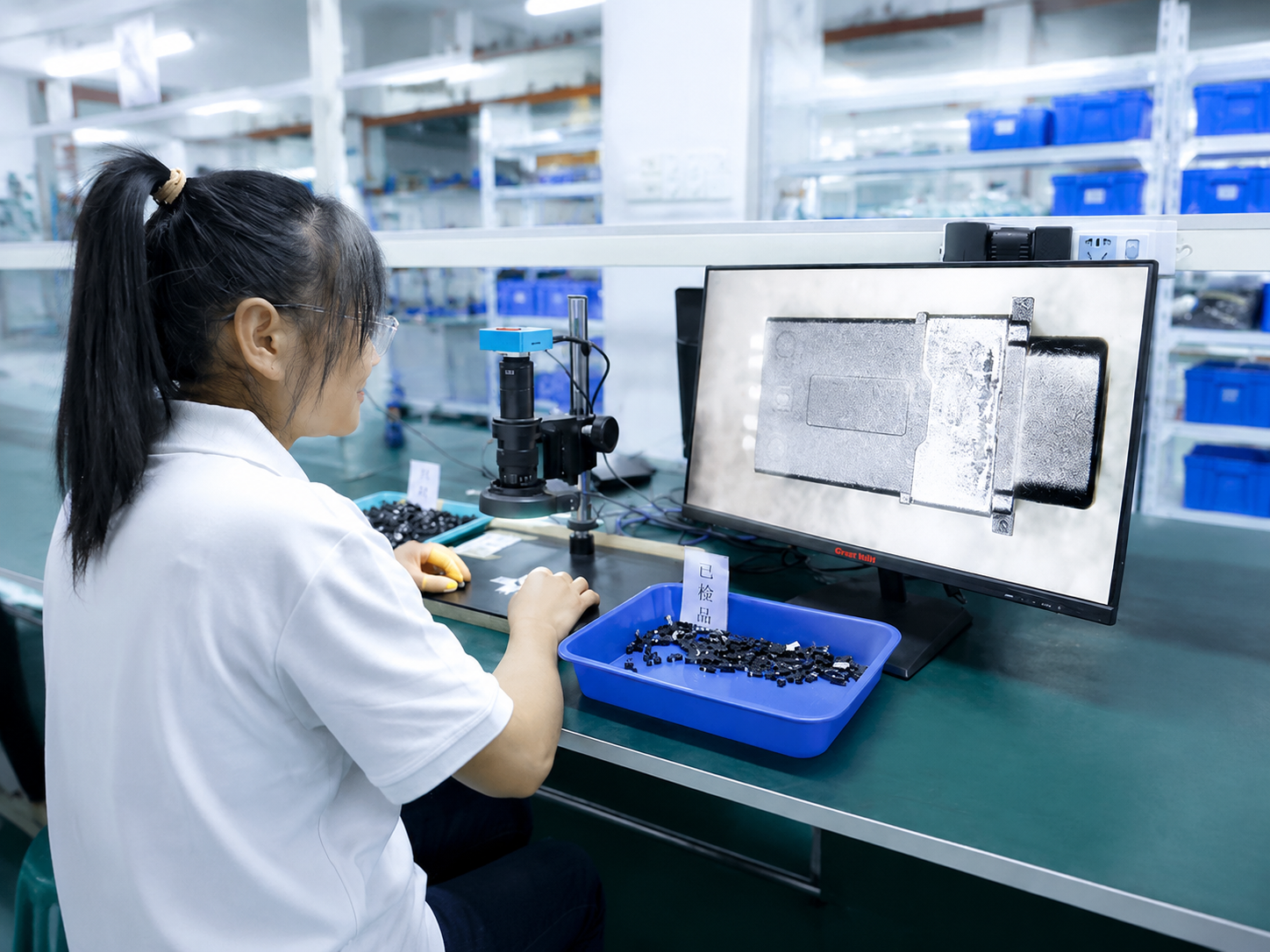
Incoming and in-process controls can cover connector dimensions, microphone components, cable assemblies, speakers, structural parts and cosmetic items. Assembly checks should protect socket alignment, soldering, strain relief and headband movement.
Functional inspection should verify left and right audio, microphone input, inline volume, USB behavior and RGB. Plug-in microphone tests should include insertion, retention and live voice while the boom is handled. Acoustic and microphone sampling should use defined limits and equipment.
Final pack-out confirms the correct microphone, cables, adapters where specified, manual, labels and barcode. The finished carton should match the exact product configuration. This is especially important when standard and optional 7.1 versions share similar housings.
Buyer Checklist Before Requesting Samples
A useful G936 RFQ defines the microphone service model, target hosts, connection functions, acoustic and voice targets, customization, packaging, compliance and commercial forecast.
Start with target PC, notebook, console, controller, Switch or mobile-device scenarios and list the ports or adapters expected. State the role of both 3.5mm plugs and USB and whether virtual 7.1 is required.
Define how the plug-in microphone will be used, stored and replaced. Include voice approval scenarios, expected retention, package location and spare-part needs. Add the desired cable, controller, RGB, logo, CMF and package requirements.
Provide destination markets, certification needs, expected quantity, sample type and launch timing. MOQ and lead time remain project dependent and should be confirmed after the final customization scope and sample approval.
- Target devices, ports and adapter matrix
- Two 3.5mm plug roles and USB function
- Standard or optional virtual 7.1 version
- Microphone retention, voice and replacement plan
- Audio, comfort and approximately 191g structure review
- Cable, controller, RGB, logo and CMF
- Packaging, accessory count, labels and manuals
- Market, certification, forecast and schedule
Conclusion
A plug-in microphone adds real buyer value when its socket, voice chain, service policy, packaging and production controls are approved together.
G936 offers a confirmed lightweight wired platform with an approximately 191g structure, plug-in microphone, 40mm speaker, two 3.5mm plugs, USB audio, RGB, inline control and an optional virtual 7.1 direction. Its suitability depends on the brand's users, host matrix, customization and quality plan.
MACH industry can review your microphone requirement, target devices, audio and USB configuration, optional 7.1 plan, branding, packaging and destination markets. A precise RFQ helps convert a removable-microphone idea into a supportable private-label product.
Frequently Asked Questions
What is a plug-in microphone gaming headset?
It is a headset with a microphone boom that connects through a removable plug and socket rather than remaining permanently attached. The interface requires defined mechanical, electrical, voice and packaging controls.
Is a plug-in microphone better than a fixed gaming headset microphone?
Not automatically. A plug-in microphone supports flexible use and separate replacement, while a fixed microphone is harder to lose and removes one connector interface. The better choice depends on users, service, packaging, cost and validation.
What microphone specifications are confirmed for G936?
G936 lists a plug-in microphone with 50Hz-16000Hz response, -45dB plus or minus 3dB sensitivity and impedance no greater than 2.3K ohms.
How should brands test a removable gaming headset microphone?
Testing should cover insertion and removal, retention, movement during live voice, intermittent contact, speech performance, position, repeated use, package protection and accessory count.
What wired connections does G936 use?
G936 uses two 3.5mm plugs plus a USB connector. The released project should define audio, microphone, USB audio, RGB and any adapter behavior for each approved target device.
Does G936 support virtual 7.1 surround sound?
Virtual 7.1 surround sound is listed as an option. It should be confirmed as a selected configuration with the corresponding audio solution, supported hosts, tests and packaging claims.
What speaker and weight are confirmed for G936?
G936 lists a 40mm speaker with 20Hz-20KHz response and 32-ohm impedance, plus an approximate headset weight of 191g.
What can brands customize on a G936 private-label project?
MACH can evaluate logo, color and CMF, packaging, microphone structure and appearance, cable, connectors, inline controller, RGB direction, manuals, labels, barcodes and accessory bundles.
What are the MOQ and sampling time for G936?
MOQ, sample timing and lead time are project dependent. They should be confirmed after reviewing branding, structure, cable and connector, packaging, certification, quantity and sample scope.
Can MACH support certification for a G936 OEM project?
Certification support can be evaluated according to the destination market and final configuration. The required scope must be confirmed for the released product; no universal completed certification is implied.
Related Resources
Need OEM/ODM gaming audio solutions?
Contact MACH Industry to discuss your gaming headset, gaming earbuds, or private-label audio project.
Contact MACH Industry