Home > Resources > OEM Knowledge
How Can Brands Build a Premium Gaming Headset Without RGB Lighting?
A buyer guide to using leather texture, embroidery, metallic accents, controlled color and retail packaging to differentiate a premium gaming headset without RGB lighting.
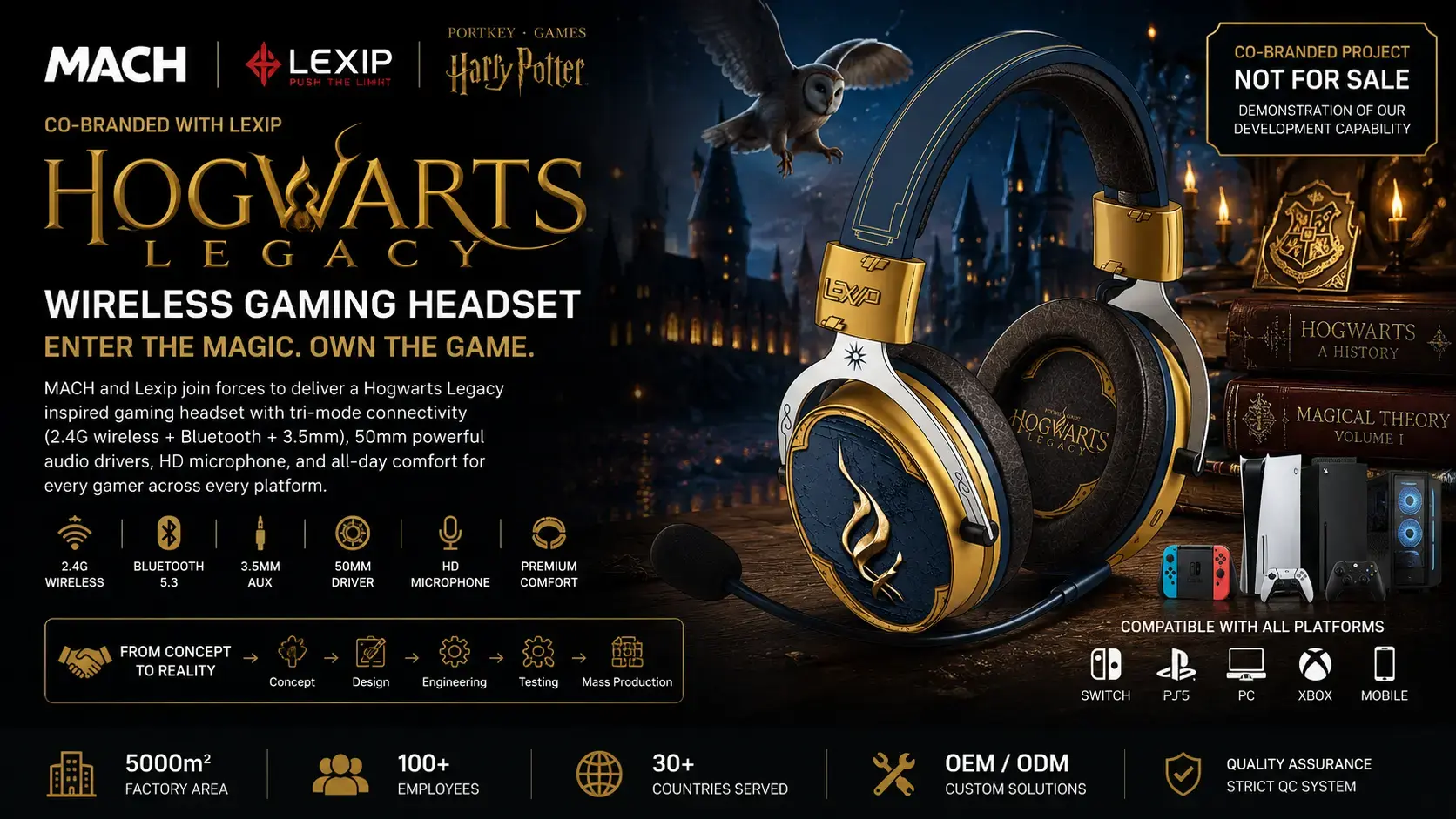
A gaming headset can achieve premium shelf presence without RGB lighting when its identity is designed through a clear material hierarchy: controlled soft goods at the wearing surfaces, precise embroidery or graphics, restrained metallic accents, intentional cable and accessory colors, and packaging that repeats the same visual system. Buyers should approve these elements as measurable production specifications rather than rely on a rendering or the vague instruction to make the product look premium.
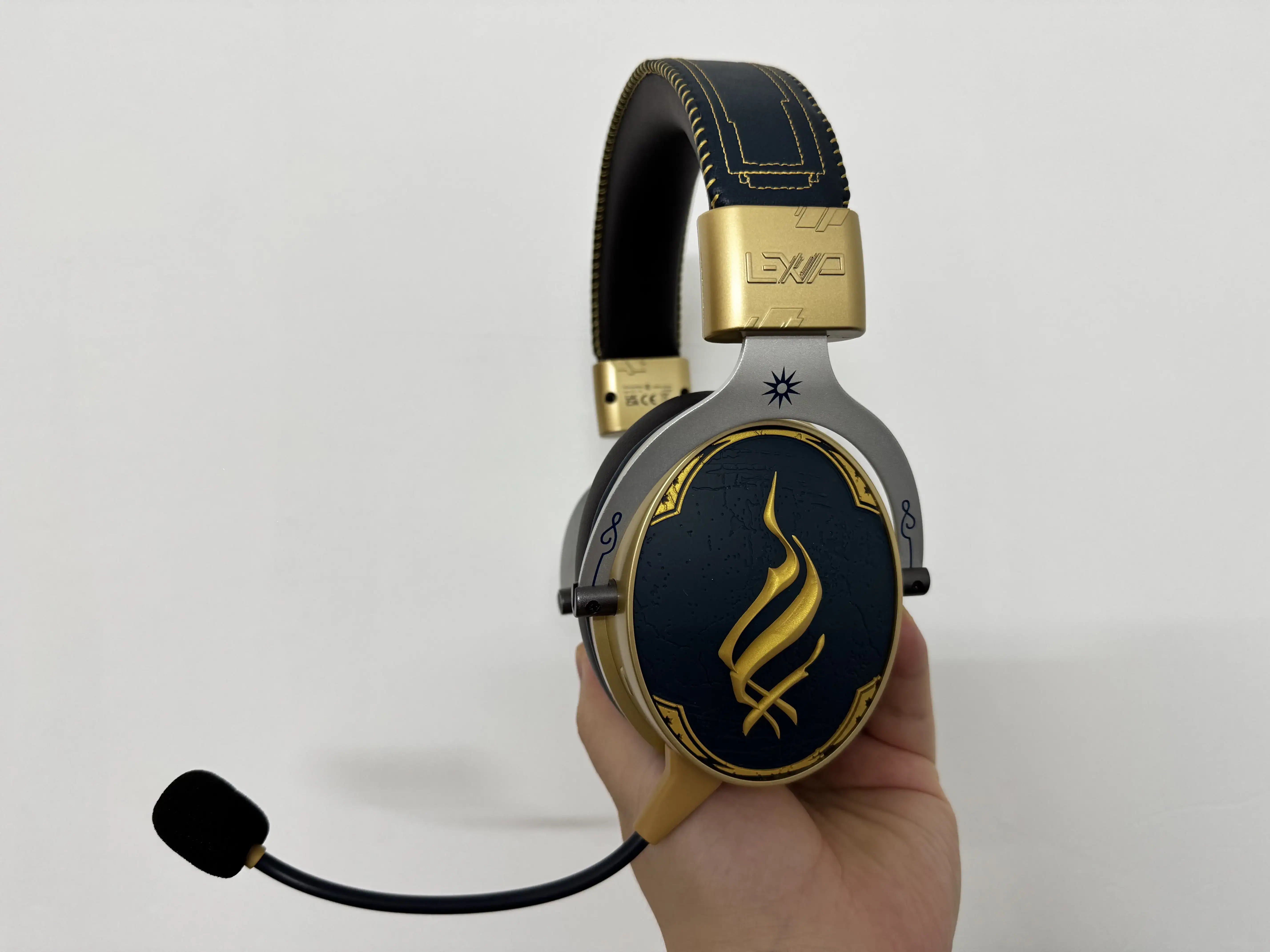
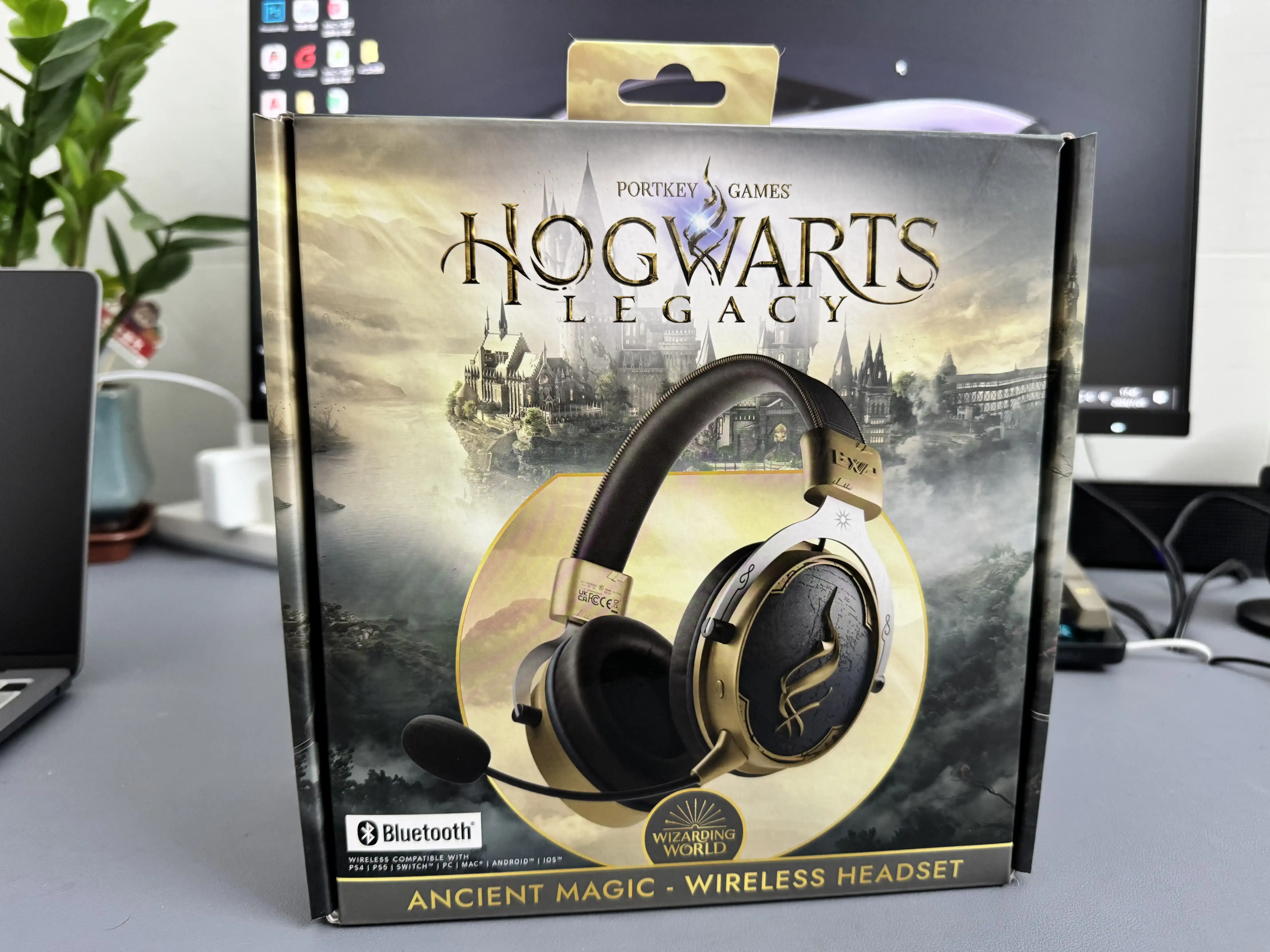
The HOG France OEM project is a useful reference. Its public materials describe a licensed-theme tri-mode wireless gaming headset with a no-light styling direction, brown faux leather and fine-grain PU leather, gold paint and embroidery, controlled Pantone colors, a 50mm speaker direction, detachable unidirectional microphone, 2.4G wireless, Bluetooth 5.4, AUX audio, 800mAh protected battery, customized cables, transmitter and retail packaging. This article turns those confirmed details into a buyer decision framework instead of repeating the case study.
Why Premium Gaming Headsets Do Not Always Need RGB
RGB is one differentiation tool, but a no-light headset can create a more mature premium position through materials, finish contrast, proportions, touch points and disciplined brand execution.
Lighting can communicate gaming identity quickly, yet it also pushes many products toward a similar visual language. A brand serving licensed collections, lifestyle retail or users who prefer understated hardware may benefit from a product that remains recognizable when powered off and when viewed from a distance on a shelf.
Removing RGB does not mean removing design work. The visual burden moves to the headband, ear cups, yokes, controls, cables, transmitter and packaging. Color consistency, texture, gloss, stitching, print alignment and metallic appearance become more visible because there is no animated light to dominate attention.
A no-light direction can simplify lighting-related UI, power consumption and parts, but it does not automatically make the product cheaper. Faux leather construction, embroidery, painted metallic effects, Pantone-controlled accessories and detailed packaging add their own development, sampling and quality requirements. Buyers should compare total product-positioning value, not only the LED bill of materials.
| Differentiation route | Primary buyer value | Main production control |
|---|---|---|
| RGB lighting | Visible gaming signal and effects | LED color, diffusion, firmware and power behavior |
| Material hierarchy | Premium touch and powered-off identity | Texture, grain, interface and durability standards |
| Metallic accents | Visual focal points and perceived precision | Color, gloss, coverage and handling protection |
| Embroidery and graphics | Theme and brand storytelling | Registration, thread color, scale and workmanship |
HOG France OEM Project Overview
HOG was a France-market licensed-theme tri-mode wireless headset project that used leather, gold accents, embroidery and controlled accessories instead of RGB to create its visual identity.
The published case describes support for a France gaming brand, importer and distributor. The product program combined an Ancient Magic creative direction with a practical wireless gaming platform and required licensed artwork review, CMF and material confirmation, RF and antenna review, packaging support, testing-document coordination, quality checkpoints and preparation for mass production.
Confirmed platform information includes an ATS3031 plan, 2.4G wireless, Bluetooth 5.4 and AUX wired audio, compatibility planning for Windows 10 and 11, PS4/PS5, Switch, Android and iOS, play-while-charging support, firmware-upgrade support, an 800mAh protected battery, 50mm speaker direction and detachable unidirectional microphone. Compatibility and feature claims still need validation against the released configuration and target devices.
The no-light CMF direction specified brown faux leather, brown fine-grain PU eco-leather, gold paint, gold embroidery and logo details, dark blue and blue Pantone references, customized braided charging and audio cables, and a colored transmitter with a gold logo. Retail packaging, user materials, carton and labels were part of the same identity system.
| Project layer | HOG direction | Buyer implication |
|---|---|---|
| Product platform | Tri-mode wireless headset | Preserve functional and RF performance |
| Visual position | Premium licensed theme without RGB | Materials must communicate identity when powered off |
| Soft goods | Brown faux leather, fine-grain PU and embroidery | Control grain, stitching, tension and alignment |
| Hard finishes | Gold paint and colored structural details | Approve color, gloss, masking and interface quality |
| Retail system | Coordinated accessories and packaging | Keep product, cables, transmitter and box consistent |
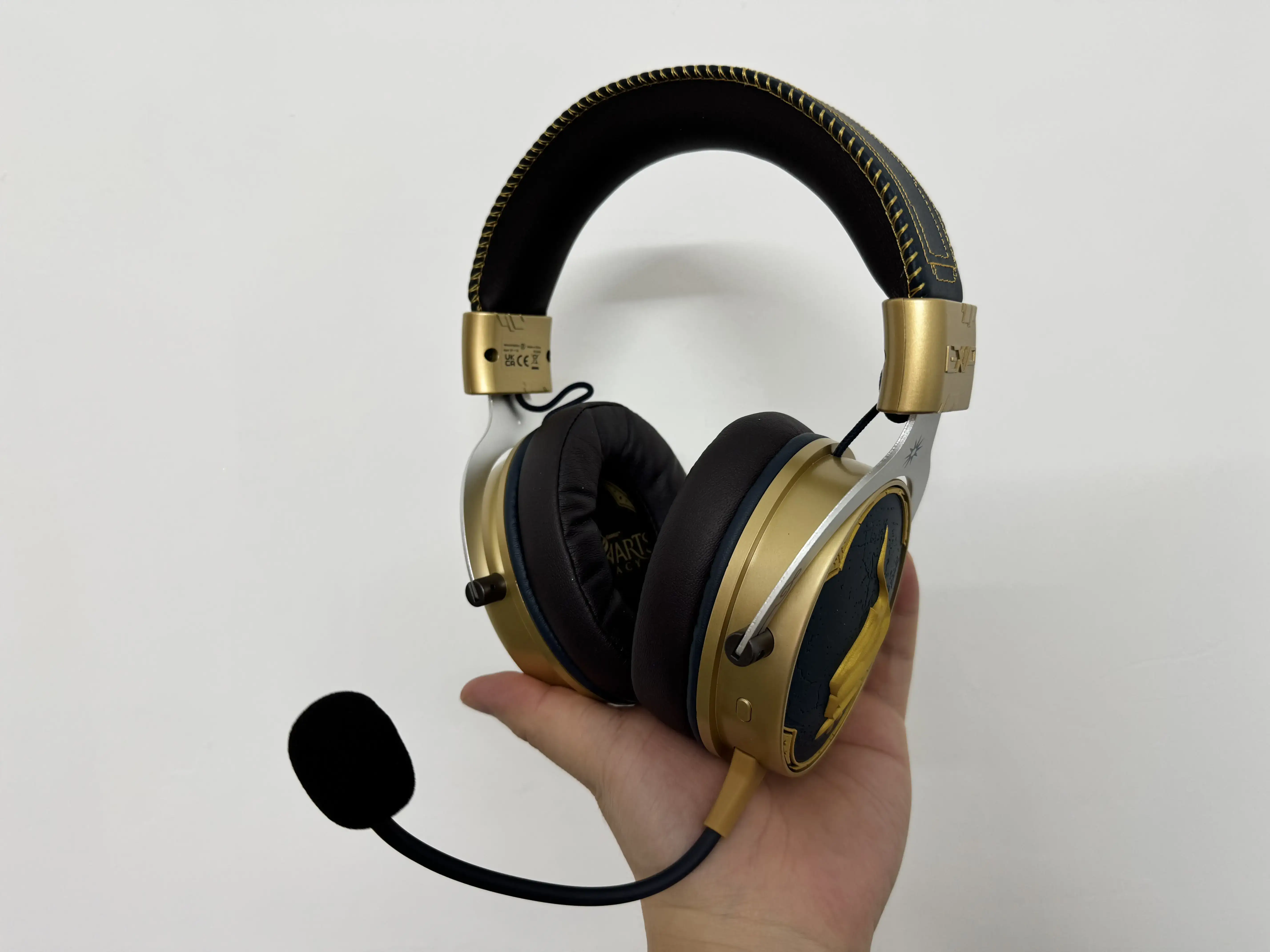
Buyer Challenge: Premium Is a System, Not a Finish
A premium appearance fails when one material, seam, logo, cable or package does not match the intended hierarchy, even if every individual part is technically acceptable.
The word premium is not an inspection criterion. One supplier may interpret it as higher gloss, another as a heavier coating, and another as added decoration. Buyers need a part-level definition of materials, colors, textures, graphics, edge conditions, tactile expectations and acceptable variation.
Mixed-material products are especially sensitive at interfaces. A soft headband wrap meets molded end parts; a painted gold detail sits next to dark plastic; embroidery must align with a curved padded surface; cable colors must relate to the headset without appearing accidentally mismatched. Small inconsistencies can become the most visible part of an otherwise successful product.
Licensed products add governance. Artwork scale, logo clearance, legal lines, color references and packaging usage may require external approval. The manufacturing team needs released files and revision control, while the buyer needs to separate creative approval from engineering and quality approval.
How MACH Connected Creative Direction With Production Control
MACH translated the HOG visual package into part-level materials, processes, samples, assembly instructions and quality checkpoints while keeping the selected tri-mode platform intact.
The project began with requirement, artwork and Pantone review, followed by platform matching and feasibility assessment. Industrial design and structure work checked how leather wraps, stitching, logos, painted details and accessory colors could be applied without compromising headband movement, control access, microphone handling, antenna position or assembly.
Prototype and tooling support connected appearance to physical samples. CMF review covered material grain, paint and embroidery; engineering review covered PCB, RF, acoustics, microphone, battery and connectors. The packaging system then carried the same approved identity into the box, manual, brochure, labels and carton.
Production preparation included transmitter and microphone assembly, headband wire routing, speaker soldering, 2.4G board handling, finished listening tests, Bluetooth checks, charging tests, 3.5mm audio checks, appearance inspection and pack-out control. These steps matter because a premium exterior cannot compensate for inconsistent core function, and functional performance does not excuse visible workmanship defects.
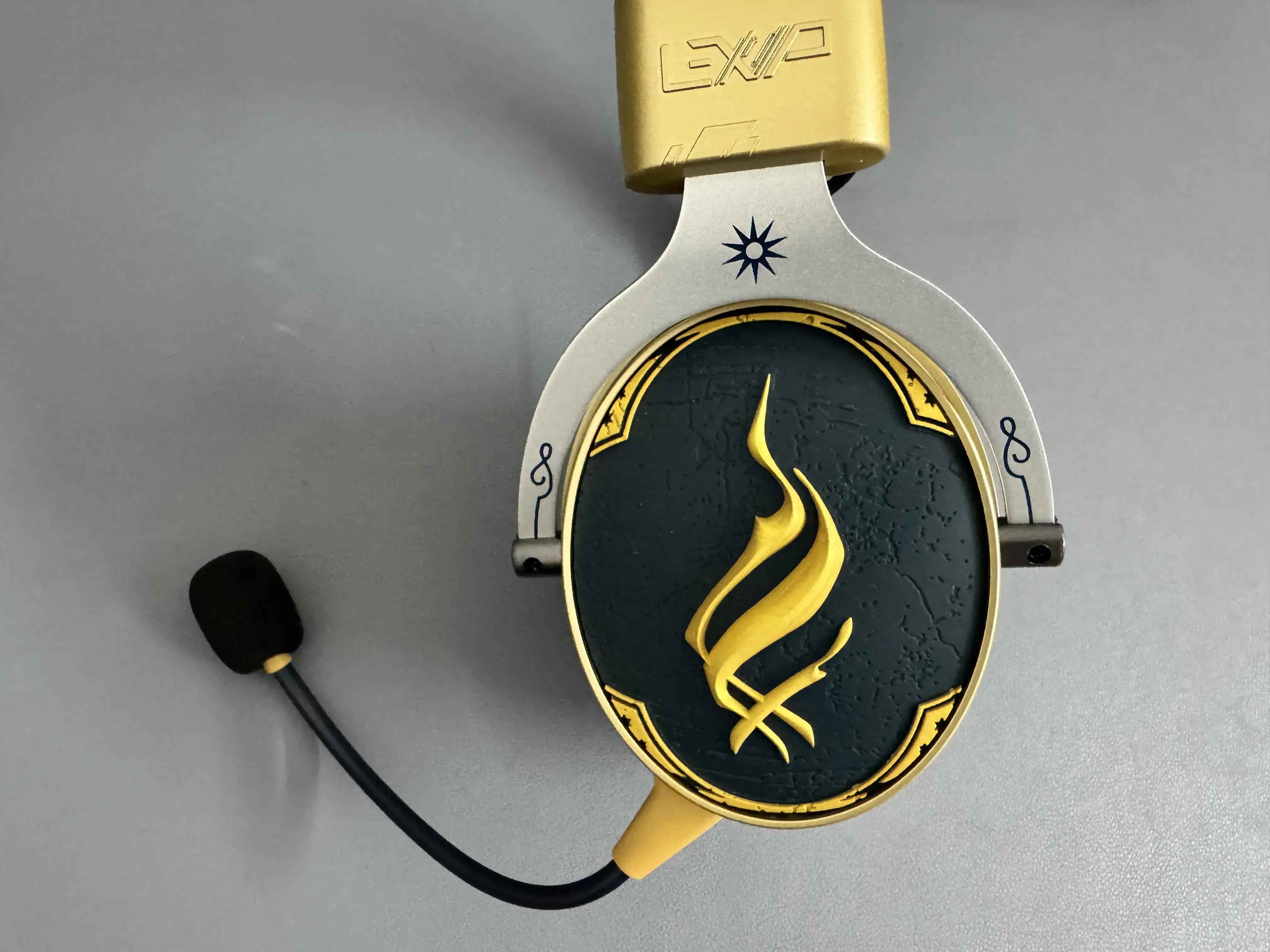
When Lighting Is Removed, Material Hierarchy Must Carry the Brand
A successful no-RGB headset assigns each material and finish a specific visual job: a dominant base, tactile comfort layer, focal accent, identity detail and supporting accessory palette.
Begin with the dominant base. It should occupy enough area to establish the product's overall tone and remain practical for molding, handling and cosmetic consistency. In the HOG direction, dark and brown surfaces create the visual foundation. A buyer should define the material, molded or coated color, texture, gloss and approved color reference for every base part rather than rely on one global brown instruction.
The comfort layer should look intentional because it is close to the user's skin and frequently touched. Faux leather or PU wrapping introduces grain, softness, seam placement, edge folding, adhesive and tension variables that do not exist on a simple molded shell. The approved sample should show how the material transitions at the headband ends and how stitching behaves when the cushion is curved or compressed.
Focal accents need restraint. Gold paint, a medal, embroidery or logo can establish hierarchy when limited to selected zones. If every component receives the same metallic effect, visual emphasis disappears and process risk increases. The buyer should identify primary, secondary and prohibited accent areas, then approve the color and gloss against the actual neighboring materials under defined lighting.
Identity details carry the theme. Embroidery, printed marks and legal lines have different functions and production limits. Decorative artwork can be expressive, while a product label must remain legible and accurate. Licensed logo and copyright placement should use the approved source assets, minimum sizes, clear space and revisions supplied by the rights holder or buyer.
Accessories complete the palette. The HOG materials specify controlled blue cable and transmitter directions with gold logo details. This turns items that are often generic black components into part of the retail story. It also creates additional SKU controls: the correct cable, connector finish, transmitter shell and logo must be paired with the correct headset and packaging.
Packaging should repeat the hierarchy without claiming unsupported features. Product photography or renders must match the final colors and no-light configuration. The contents list must match the approved accessory BOM, while technical claims and compatibility statements should be linked to validation evidence. A premium box with an incorrect cable or lighting illustration damages trust more than a restrained accurate package.
Finally, evaluate the complete product at normal viewing distance, close inspection and touch. A color chip can approve hue but not material harmony; a flat artwork proof can approve layout but not embroidery on a curved cushion. The golden sample must therefore include the assembled headset, accessories and representative retail packaging, supported by separate measurable standards for production.
| Hierarchy role | Possible HOG-style execution | Approval focus |
|---|---|---|
| Dominant base | Dark molded and brown surfaces | Color, gloss, texture and coverage |
| Tactile layer | Fine-grain PU or faux leather | Grain, seam, fold, tension and touch |
| Focal accent | Gold paint or medal detail | Hue, gloss, masking and placement |
| Identity detail | Embroidery, logo and legal artwork | Registration, scale, legibility and authorization |
| Supporting palette | Colored cables, transmitter and packaging | Cross-component consistency and pack-out |
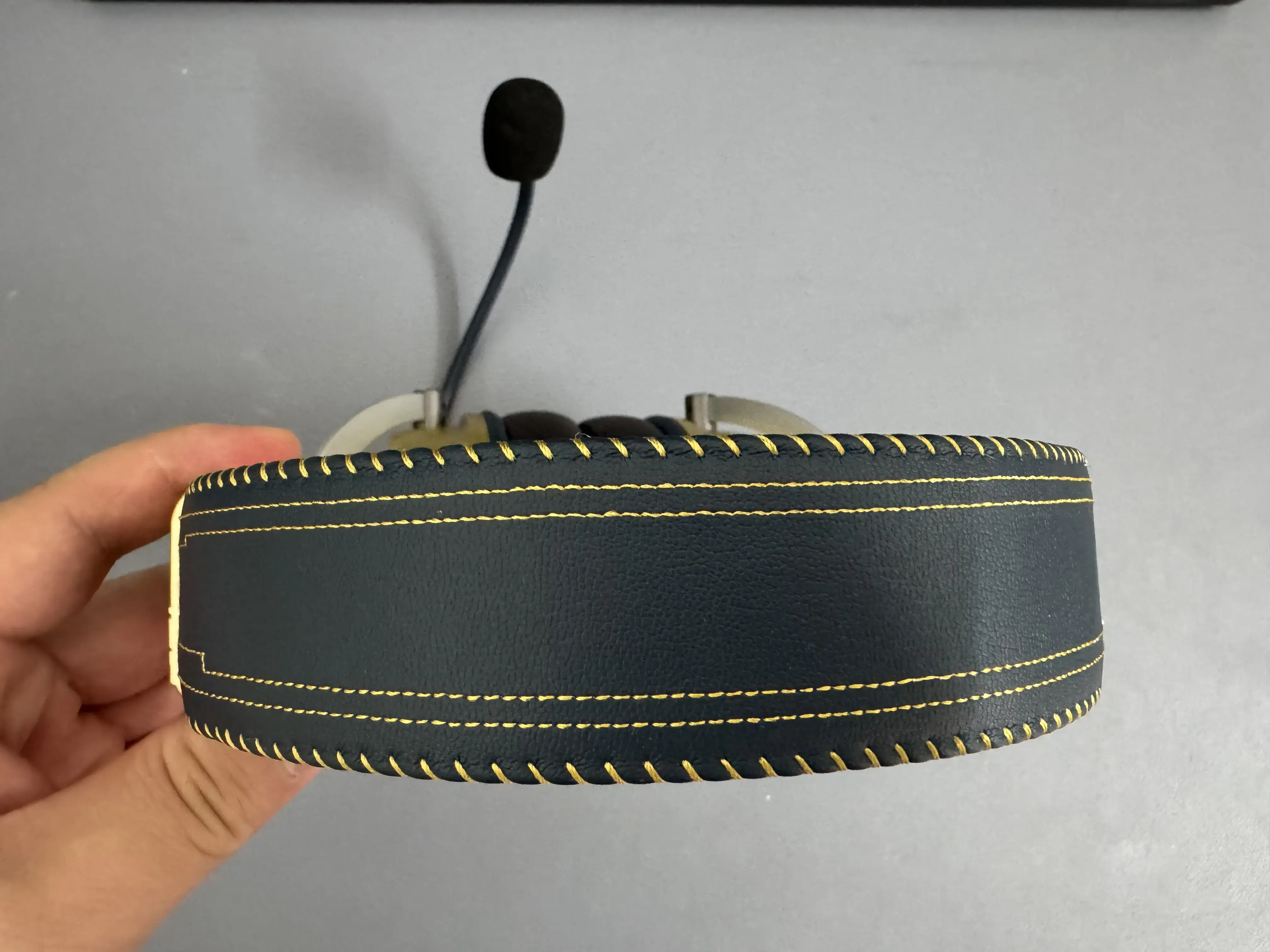
Technical Deep Dive: Soft-Goods Tolerances, Embroidery Registration and Metallic-Finish Interfaces
Soft goods and metallic finishes need their own production standards because they vary differently from molded plastic and interact with moving, curved and frequently handled headset parts.
Soft-goods specifications should identify material construction, color reference, grain direction where relevant, thickness range, backing, foam or cushion relationship, seam position, stitch type and edge treatment. Exact tolerances depend on the approved design and supplier process. A visual sample alone is not enough when the material can stretch, wrinkle or shift during assembly.
Embroidery registration must be evaluated on the final padded geometry. The artwork can distort when the cover is tensioned over foam, and a centered mark in a flat cutting pattern may move after sewing and assembly. Approval should define the reference datum, orientation, acceptable displacement, thread color, stitch density, loose-thread standard and how the design looks when the headband is at representative extension positions.
Metallic appearance is influenced by base material, coating stack, surface preparation, spray angle, film thickness, gloss and viewing light. A Pantone reference is useful for color direction but does not fully define a metallic effect. Buyers should approve a physical finish panel and assembled sample, then document gloss or appearance limits appropriate to the process.
Interfaces require deliberate review. Paint buildup can change part gaps or clip fit. A sharp molded edge can damage a leather wrap. Adhesive or handling marks can appear near a gold accent. Stitching may interfere with a sliding or bending area. The engineering team should review functional clearances before appearance approval so the CMF does not create an assembly or durability problem.
Quality inspection should combine measurable checks with limit samples. Color measurement may support solid-color control, while grain, metallic orientation, wrinkles, seam quality and overall harmony often require approved visual standards under controlled illumination. Operators need defect examples for scratches, contamination, paint edge, embroidery offset, loose threads, wrinkles and mismatched accessory colors.
Wear and handling tests should follow the project specification. Relevant reviews may include repeated headband movement, cushion compression, surface rub, adhesion, sweat or chemical exposure, cable flex and packaging abrasion, but methods and limits must be defined for the actual materials and market. This article does not assign unverified test numbers to the HOG project.
| Process area | Variation source | Control method |
|---|---|---|
| PU or faux leather | Grain, stretch, fold and seam variation | Material spec, cutting reference and limit samples |
| Embroidery | Curvature, tension and stitch registration | Datum, thread standard and assembled approval |
| Metallic paint | Base, spray, film and viewing-angle variation | Finish panel, golden sample and process window |
| Mixed-material interface | Fit, paint buildup, edge pressure and adhesive | Engineering clearance and workmanship criteria |
OEM/ODM Development and Approval Process
A no-RGB premium headset moves from positioning and material architecture through feasibility, physical CMF samples, engineering prototypes, pilot production and controlled mass production.
At concept stage, define the target channel, price band, visual audience, connection modes and reasons for choosing a no-light direction. Provide authorized artwork, Pantone references, logo rules, legal lines and examples of desired leather, embroidery and metallic appearance. Separate mandatory licensed elements from areas the manufacturer can adapt for feasibility.
During design and engineering, assign materials and processes by part. Review headband motion, seams, controls, microphone, cables, antenna area and assembly access. Request process panels or partial samples before committing every detail to a complete prototype. The functional platform and CMF plan should develop together rather than in separate teams.
Prototype approval should cover the tri-mode user experience, acoustics, microphone, battery and charging behavior as well as the assembled visual hierarchy. Testing and compliance planning depend on the final configuration and destination markets. Certifications or reports from another model should not be assumed to cover a changed product without scope review.
Pilot production verifies repeatability, station instructions, fixtures, appearance standards and packaging. Release a golden sample, part-level CMF specification, BOM, artwork package, accessory matrix, packaging BOM and defect standard. Mass production then follows approved inspection and change-control rules for materials, coatings, thread, cable, transmitter, firmware and packaging revisions.
| Gate | Key output | Buyer approval question |
|---|---|---|
| Positioning | No-light product brief | Why will the design matter to the target buyer? |
| CMF architecture | Part and process matrix | Does every material have a clear role? |
| Prototype | Functional and assembled visual sample | Do performance and appearance work together? |
| Pilot build | Process capability and defect evidence | Can the finish be repeated at production pace? |
| Mass production | QC records and controlled changes | Does each lot match the approved configuration? |
Buyer Checklist for a No-RGB Premium Headset
Before RFQ and sample approval, buyers should define product positioning, material hierarchy, physical finish references, functional configuration, packaging and market-specific evidence requirements.
Start with the commercial brief: target customer, channel, expected retail position, product family and reason for removing RGB. List required 2.4G, Bluetooth and wired modes, target devices, microphone, battery and accessory requirements. Avoid asking the exterior design to solve an unclear product position.
For appearance, provide authorized assets, exact logo and legal-line rules, Pantone directions, material samples or clear references, embroidery files, priority surfaces and prohibited changes. Ask the supplier to identify tooling, paint, soft-goods, printing, embroidery and packaging processes before quotation and schedule approval.
For production, approve physical CMF panels, the assembled golden sample, objective specifications and limit samples. Confirm packaging contents, cable and transmitter colors, product and carton labels, testing plan, compliance-document scope, inspection level, rework rules and changes requiring reapproval. Provide forecast and launch timing so material minimums and process lead times can be assessed realistically.
| Buyer input | Why it matters | Expected output |
|---|---|---|
| Market position | Guides cost and visual restraint | Approved product brief |
| Material references | Defines premium in physical terms | CMF specification and samples |
| Authorized artwork | Protects brand and licensed usage | Released production files |
| Functional matrix | Keeps design aligned with use cases | Validated configuration |
| Markets and forecast | Drives documents, MOQ and planning | Project-specific quotation and schedule |
Frequently Asked Questions
These answers address common sourcing questions about premium no-RGB gaming headset design, CMF approval and OEM production.
Customization scope, minimum order quantity, sampling time, material testing and certification support depend on the selected platform, artwork, processes, forecast and destination markets.
Conclusion
A premium gaming headset does not need RGB when material, color, detail and packaging are designed as one disciplined hierarchy and protected by production-ready specifications.
The HOG France OEM project shows how no-light styling can use leather grain, embroidery, gold accents, controlled cables and packaging to differentiate a tri-mode headset. The buyer lesson is not to replace RGB with random decoration. Define what each material contributes, then validate interfaces, workmanship, function and repeatability together.
MACH industry supports OEM and ODM gaming audio projects from requirement review and platform matching through industrial design, CMF engineering, prototyping, testing coordination, packaging, quality control and mass-production preparation. Share your product position, authorized artwork, material references, technical configuration, target markets and order plan to request an OEM quote and discuss your gaming audio project.
Frequently Asked Questions
Can a gaming headset look premium without RGB lighting?
Yes. A controlled hierarchy of materials, texture, embroidery, metallic accents, proportions, accessories and packaging can create strong powered-off identity without RGB.
What materials were used in the HOG headset design direction?
Public project materials specify brown faux leather, fine-grain brown PU eco-leather, gold paint and embroidery, controlled blue and gold details and a no-light styling direction.
Is a no-RGB gaming headset automatically cheaper to manufacture?
No. Removing lighting may simplify some parts and power behavior, while premium soft goods, embroidery, paint, accessories and packaging can add other costs and controls.
How should brands approve leather or PU on a gaming headset?
Approve material construction, color, grain, thickness, backing, seam, edge treatment and an assembled sample, supported by project-specific durability requirements.
How is embroidery controlled on a curved headset headband?
Define a datum, orientation, thread color, stitch standard, acceptable registration and workmanship criteria on the final padded geometry.
Is a Pantone reference enough to approve metallic gold paint?
Not by itself. Metallic appearance also depends on the base, coating, gloss, spray process and viewing conditions, so physical panels and assembled samples are needed.
What wireless features are confirmed for the HOG project?
The public materials record 2.4G wireless, Bluetooth 5.4, AUX audio, ATS3031 direction, an 800mAh protected battery, 50mm speaker direction and detachable unidirectional microphone.
Can MACH support licensed-theme gaming headset development?
MACH can support projects when the buyer supplies authorized artwork, logo and legal-line rules, color references, material direction, packaging files and market requirements.
What should buyers approve before mass production?
Approve the golden sample, part-level CMF specification, BOM, artwork, accessories, packaging, defect criteria, test plan and change-control process.
What should a brand send MACH for a premium headset RFQ?
Send target market and position, authorized artwork, material and color references, required functions, accessories, packaging, destination markets, forecast and schedule.
Related Resources
Need OEM/ODM gaming audio solutions?
Contact MACH Industry to discuss your gaming headset, gaming earbuds, or private-label audio project.
Contact MACH Industry