Home > Resources > Gaming Headset Guide
How to Choose a 2.4GHz Gaming Headset Platform for Your Brand
A practical buyer guide to evaluating the headset, USB transmitter, latency, RF stability, compatibility, acoustics, battery, customization, compliance and launch feasibility as one 2.4GHz gaming audio system.
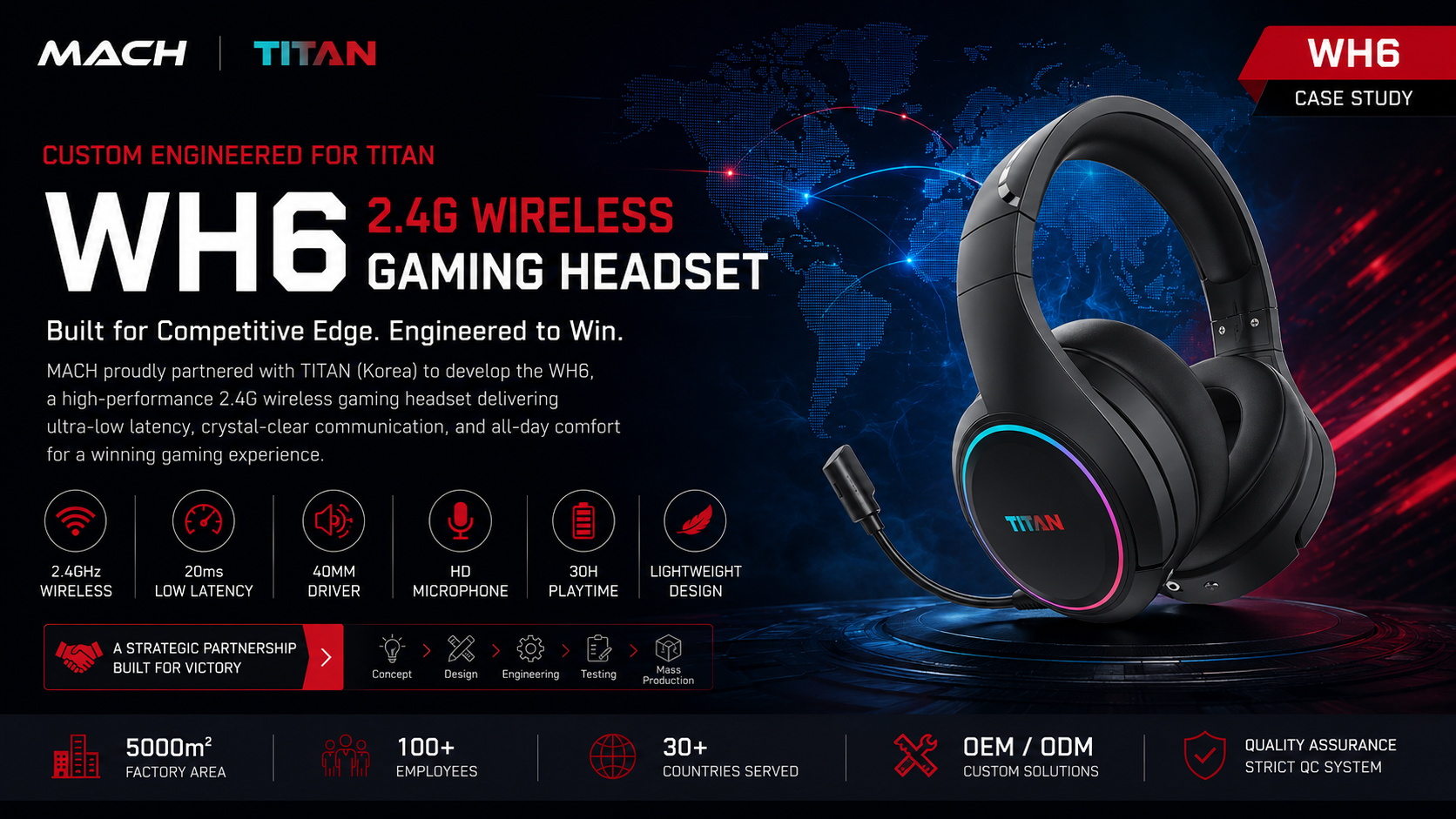
A suitable 2.4GHz gaming headset platform should solve two fundamental problems. First, it should provide wireless game audio and microphone communication for target devices that do not support ordinary Bluetooth headsets as complete gaming audio devices. Second, it should provide a more consistent low-latency gaming experience than standard Bluetooth audio when the complete product is properly engineered and validated.
Buyers should evaluate the platform as one system consisting of the headset, USB transmitter, wireless protocol, chipset and PCB, firmware, antenna, microphone return channel, battery system and target-device compatibility. The headset and transmitter are not unrelated accessories. A strong headset paired with an unsuitable receiver can still produce detection, latency, microphone, reconnection or RF problems.
The best choice is therefore not the platform with the longest feature list. It is the platform whose verified connection paths, performance, comfort, customization scope and compliance plan match the brand's intended users, price position, devices and launch markets.
Quick Answer: Evaluate the Complete Wireless System
Choose a 2.4GHz headset only after the exact headset, transmitter, firmware and target devices have been evaluated together for game audio, microphone input, latency, RF stability, controls and reconnection.
- Define every target device and the required audio and microphone functions.
- Confirm the receiver connector, adapter arrangement and physical fit.
- Request written latency and RF test conditions, not one marketing number.
- Evaluate audio tuning, microphone return and comfort on production-representative samples.
- Freeze battery, firmware, antenna, transmitter and packaging before compliance review.
- Compare platforms with a weighted scorecard tied to the intended retail position.
What Is a 2.4GHz Gaming Headset Platform?
A 2.4GHz gaming headset platform is a matched wireless audio system in which a headset communicates with a dedicated transmitter over a manufacturer-controlled radio link.
The platform includes more than an earcup structure and speaker. It includes the radio architecture, transmitter, antenna, PCB, audio processing, microphone uplink, controls, firmware, power system and mechanical packaging around those elements.
An existing platform can give a brand a tested starting point for private label or platform customization. Full ODM development can change industrial design, structure, PCB or acoustics, but each change adds validation, tooling and compliance considerations. Buyers should identify which layers are fixed and which are configurable before requesting samples.
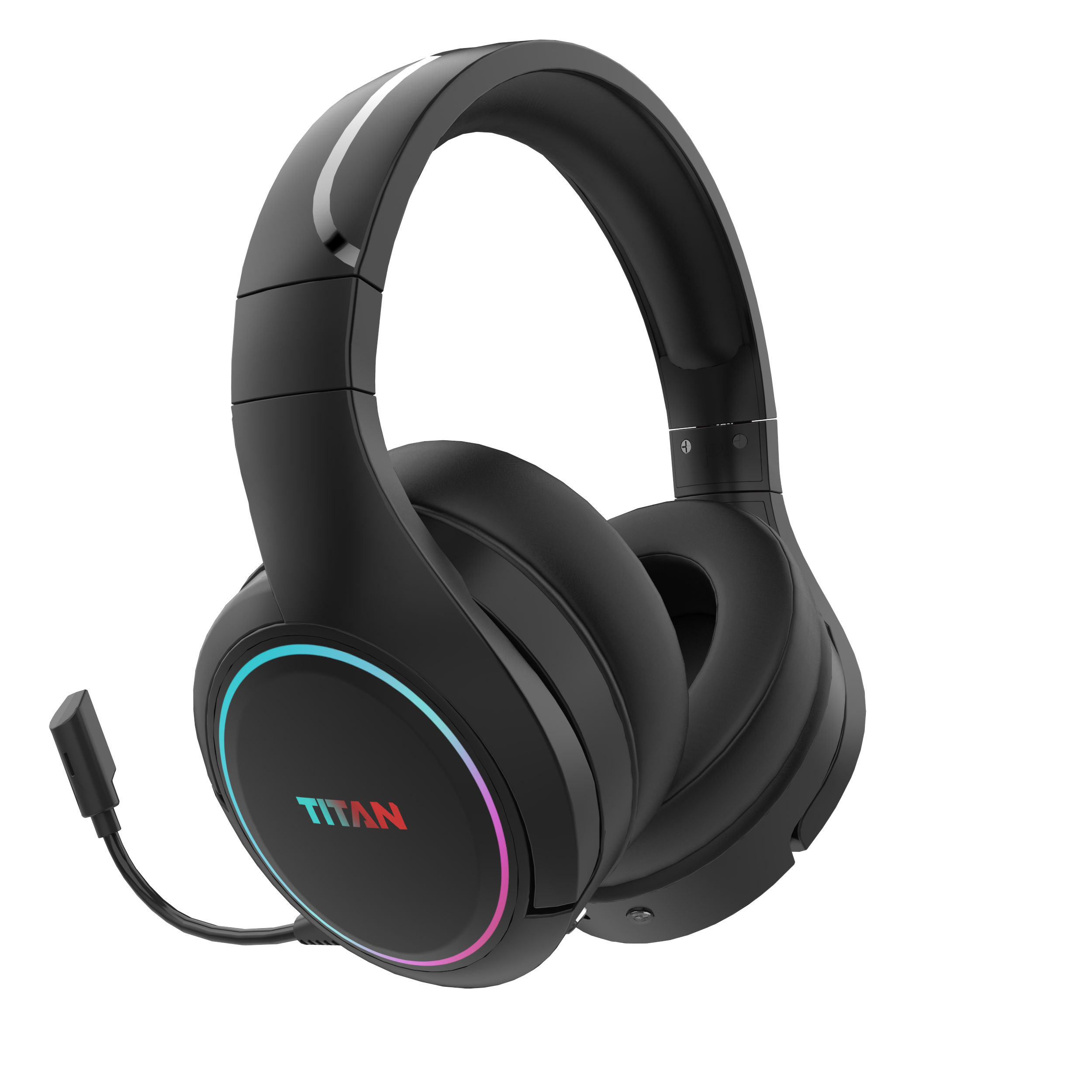
Why Do Gaming Headsets Need a 2.4GHz USB Transmitter?
The matched USB transmitter acts as an external wireless audio interface between the gaming device and the headset, carrying game audio toward the headset and microphone audio back to the host.
Many gaming devices do not include Bluetooth, do not expose general-purpose Bluetooth audio or do not support ordinary Bluetooth headsets for complete game audio and voice communication. A compatible USB transmitter lets the host recognize a USB audio device and lets the manufacturer manage the dedicated wireless connection.
The transmitter affects compatibility, latency, microphone communication, RF stability, pairing, reconnection and plug-and-play behavior. Its connector may be USB-A, USB-C or a Type-C design supplied with an A/C adapter. Housing shape also matters because a wide receiver can obstruct nearby ports or conflict with a handheld-device case.
Evaluation should cover the implemented USB Audio Class behavior and any USB or HID functions that the exact platform supports. Confirm playback and microphone recognition, volume and mute behavior, pairing, reconnection, antenna performance, interference, current consumption, firmware and target-console operation. Do not assume a function merely because the receiver uses USB.
Why Is 2.4GHz Preferred Over Standard Bluetooth for Gaming?
Dedicated 2.4GHz gaming audio gives the manufacturer control of both ends of the link, allowing protocol, buffering, microphone return, RF behavior and reconnection to be optimized as one system.
Standard Bluetooth audio prioritizes broad device compatibility and convenience. It remains useful for phones, music and daily use. A dedicated 2.4GHz path is especially useful for PC and console gaming when predictable audio and microphone behavior matter.
A properly designed 2.4GHz platform can generally provide a more consistent low-latency gaming experience than standard Bluetooth audio, but not every 2.4GHz implementation is automatically better. Antenna layout, firmware, packet handling, host behavior and interference still determine the result.
Bluetooth can support lower-latency implementations in some configurations, so buyers should not write that Bluetooth can never be low latency. Likewise, advertised chipset latency is not measured end-to-end product latency. Dual-mode and tri-mode platforms can combine gaming-first 2.4GHz with Bluetooth convenience and wired fallback.
| Connection | Typical strength | Buyer caution |
|---|---|---|
| Dedicated 2.4GHz | Controlled gaming audio and microphone path | Requires matched receiver and device validation |
| Standard Bluetooth | Broad mobile and everyday convenience | Latency and full gaming-audio support vary by host and profile |
| 3.5mm wired | Simple analog fallback on compatible ports | Available microphone, controls and processing must be confirmed |
Important Note About Xbox Compatibility
A normal USB 2.4GHz transmitter must not be assumed to provide wireless Xbox compatibility.
Xbox support should be evaluated separately. A wireless product may require Xbox Wireless technology, an approved or licensed solution, or another compatible implementation. A headset may also offer a compatible 3.5mm wired path through a controller, subject to the exact headset, cable and controller arrangement.
Use cautious project language such as project dependent, must be verified or requires a compatible or approved solution. Never publish compatible with all consoles based only on the presence of a USB receiver.
Device Compatibility Matrix
Compatibility should be approved by named device and connection path, with separate confirmation for game audio, microphone input, controls and physical fit.
| Target device | Likely connection path | Buyer verification |
|---|---|---|
| Windows PC | Matched USB-A or USB-C transmitter | Playback, microphone, mute, volume, reconnection and port fit |
| Desktop PC without Bluetooth | Dedicated USB transmitter | USB recognition and complete audio/microphone operation |
| PS4 | Compatible matched USB wireless adapter | Project dependent; verify the exact console and functions |
| PS5 | Compatible matched USB wireless adapter | Do not assume every transmitter is supported |
| Nintendo Switch | Compatible USB-C receiver or approved adapter arrangement | Verify docked/handheld use, fit, audio and microphone scope |
| Mobile devices | Bluetooth or compatible USB-C receiver | Verify OS, port, case clearance, calls and receiver power |
| Xbox | Approved wireless solution or compatible 3.5mm controller path | Must be evaluated separately; standard USB does not imply support |
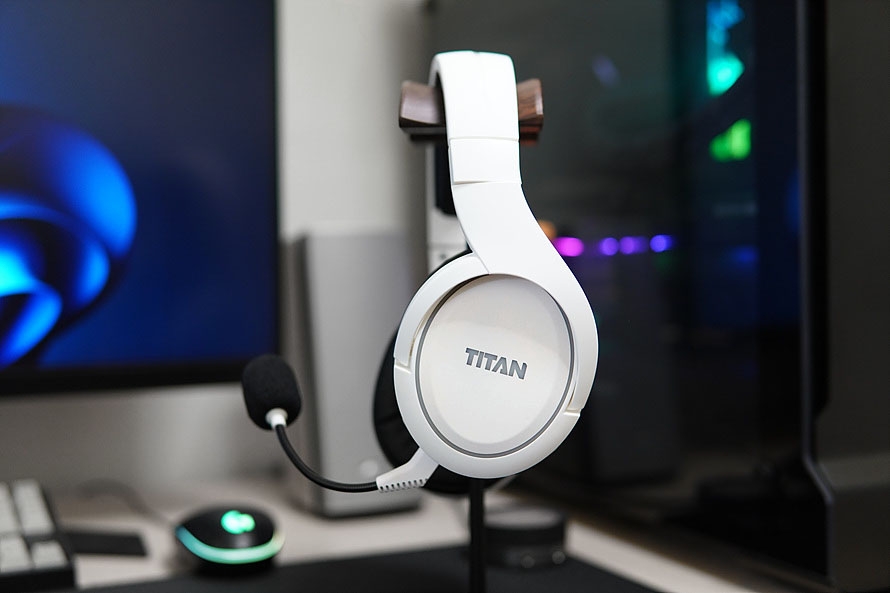
2.4GHz Only vs Dual-Mode vs Tri-Mode
Select connection architecture according to the intended user journey, not simply the largest number of modes.
Tri-mode does not automatically mean all three modes operate simultaneously. The specification should define whether modes are exclusive, how switching works and which functions are available in each mode.
| Architecture | Suitable customer | Benefits | Limitations and complexity |
|---|---|---|---|
| 2.4GHz only | Gaming-first PC or validated console SKU | Focused controls, firmware and receiver workflow | Limited phone convenience; receiver is essential |
| 2.4GHz + Bluetooth | Gaming plus mobile/lifestyle users | Gaming path and phone convenience | Adds mode switching, memory, prompts and RF validation |
| 2.4GHz + Bluetooth + 3.5mm | Broad multi-device retail positioning | Adds analog fallback and more use cases | Higher UI, accessory, circuit and claim complexity |
Target User and Retail Position
Platform selection should begin with the buyer's target gamer, devices, channel and retail proposition.
A competitive PC SKU may prioritize receiver stability, microphone return, comfort and simple controls. A console-accessory product needs tightly verified platform compatibility. An e-commerce lifestyle SKU may benefit from Bluetooth, removable microphone and restrained packaging size. A promotional entry model may need fewer modes and lower accessory complexity.
Define the target retail price before choosing expensive features, but do not let price alone decide the platform. Receiver design, battery, cushions, microphone, packaging and compliance can change landed cost and support risk.
Latency and RF Stability
Buyers should request written test conditions instead of accepting a single marketing latency number.
Evaluate end-to-end latency with the named host, connection mode, test equipment, audio processing and firmware. A chipset figure does not include every buffering, USB, processing and acoustic stage in the finished product.
RF review should cover 1m, 5m and 10m behavior where appropriate, packet loss, dropouts, interference, USB 3.0 proximity, human-body antenna blocking, reconnection time and microphone-return stability. Extend the distance plan when the product claim or use case requires it.
Document room, host, orientation, obstacles, competing radios, sample revision and pass limits. Re-run critical checks on production-representative headset and receiver hardware after antenna, PCB, enclosure or firmware changes.
Audio and Microphone Performance
Choose the acoustic system by measured tuning and communication performance, not driver diameter alone.
Review driver size, impedance, sensitivity, frequency response, channel balance, distortion, acoustic chamber, damping, cushion seal and target sound. A 50mm driver is not automatically better than a 40mm driver. Driver quality, enclosure design, tuning and ear-cushion sealing also shape the final experience.
For the microphone, evaluate sensitivity, frequency response, pickup direction, mechanical position, boom consistency and microphone-return stability. Decide whether the boom is fixed or detachable and whether ENC, passive noise reduction or sidetone is supported by the exact platform. Do not print those features until confirmed on the final sample.
Battery Life, RGB, Charging and Product Weight
Battery capacity, lighting, radio use, microphone activity, charging design and product weight are connected trade-offs.
A larger battery can support runtime goals but may increase mass, volume, charging time and structural load. RGB lighting consumes power and may change runtime materially. Compare lighting-on and lighting-off results only under written volume, mode, microphone and test conditions.
Confirm Type-C charging, charging indication, battery protection and whether use while charging is supported and validated. Do not infer operating hours from capacity alone. Balance the runtime target against comfort, weight distribution and intended session length.
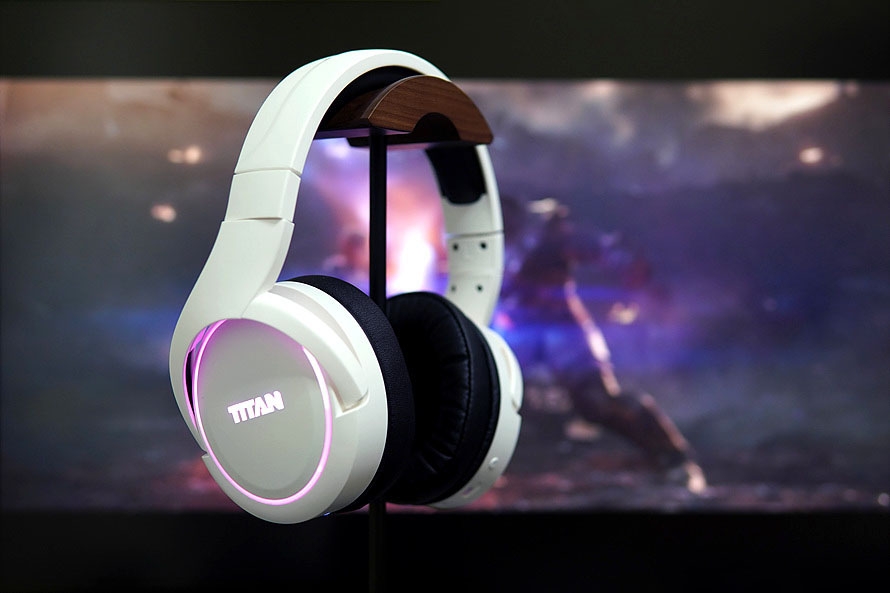
Comfort and Reliability
A technically strong wireless link cannot compensate for pressure, heat, weak hinges or inconsistent adjustment during long gaming sessions.
Evaluate total weight, center of gravity, clamping force, cushion opening, material, headband range, glasses interaction and microphone placement. Use representative users and session-length wear tests rather than a brief showroom fitting.
Reliability planning should reflect the structure and controls: headband extension, hinge or swivel cycling, boom insertion, connector insertion, button life, cable strain, drop and packaging protection. Test conditions and acceptance limits should be approved for the actual project.
OEM/ODM Customization Levels
Customization level determines cost, MOQ, sample depth, schedule and technical risk.
Ask the supplier to separate existing-platform options from changes requiring new tooling or engineering. Do not publish confidential pricing or assume that one MOQ applies to every customization level.
| Level | Typical scope | Project impact |
|---|---|---|
| Level 1: Private Label | Logo, packaging, manual and labels | Lowest engineering change; MOQ and validation still depend on platform and artwork |
| Level 2: Platform Customization | Color/CMF, firmware, transmitter, voice prompts and accessories | More samples, function validation and change control |
| Level 3: Full ODM | Industrial design, structure, PCB, acoustics and new tooling | Highest investment, MOQ exposure, schedule and validation risk |
Certification and Target-Market Compliance
Certification and compliance support is available based on the final product configuration and target market.
Changing the wireless module, PCB, antenna, battery, transmitter or charging configuration may affect the required testing scope. Freeze the intended SKU before final compliance planning and obtain qualified guidance for the applicable route.
Possible requirements may include CE/RED, RoHS and applicable REACH obligations in the EU; FCC in the US; UKCA applicability in the UK; KC in Korea; applicable TELEC/PSE requirements in Japan; and battery transportation documentation where required. Certification support does not mean every platform is already certified for every market.
MOQ, Tooling and Development Timeline
MOQ and schedule should be quoted from the selected platform, customization scope, materials, validation plan and market requirements rather than from a generic factory number.
Private-label work may use an existing structure and require fewer engineering gates. Custom firmware, receiver, CMF or accessories add sample rounds. Full ODM can require industrial design, new molds, PCB work, acoustic development, reliability testing and broader compliance review.
In the RFQ, provide expected order quantity and launch date. Ask which materials or components create minimums, which tooling is new, what is included in each sample stage and which approvals control the critical path.
Platform Evaluation Scorecard
Score each category from 1 to 5, multiply by the weighting and compare platforms against the same written evidence.
A score of 5 should mean strong evidence for the buyer's exact requirement, not simply more features. Keep notes beside every score so the tool supports a sourcing decision rather than becoming an artificial product ranking.
| Category | Weight | Evidence to review |
|---|---|---|
| Device compatibility | 20% | Named host matrix and complete audio/microphone results |
| Latency and RF stability | 20% | Written test conditions, range, interference and reconnection |
| Audio and microphone | 15% | Curves, listening, distortion, balance and communication checks |
| Comfort and reliability | 15% | Wear evaluation, structure and life-test plan |
| Battery and charging | 10% | Mode-specific runtime, charge and protection evidence |
| Customization potential | 10% | Approved option list, sample depth, tooling and change risk |
| Compliance and launch feasibility | 10% | Configuration-specific market plan and schedule |
Real MACH Project Example: WH6 Korea OEM
The WH6 Korea OEM project shows how a 2.4GHz platform review connects RF, transmitter, battery, acoustics, microphone, CMF, packaging and Korea-market preparation.
The public project record identifies a 2.4GHz wireless headset, virtual 7.1 project version, 50mm 32-ohm speaker, detachable microphone, RGB lighting, Type-C transmitter and charging interface, 3.5mm wired support, black and white versions and a 1200mAh battery requirement.
MACH support covered structure, PCB and RF review, antenna and range evaluation, tooling, logo and packaging customization, battery-marking and KC-related preparation, trial production and QC. Recorded runtime and range data belong to the documented sample conditions and should not be generalized to another platform or configuration.
The lesson is procedural: platform selection should connect every product claim to the actual headset, receiver, firmware, battery and target market before mass production.
Buyer RFQ Checklist
A useful RFQ lets the manufacturer compare existing platforms against the buyer's real launch requirements.
- Target market and sales channel
- Target retail price
- Named target devices
- Required connection modes
- Expected end-to-end latency and test conditions
- Wireless range and interference scenarios
- Driver and acoustic target
- Microphone type, return channel and noise-reduction requirements
- Battery-life target by mode and lighting condition
- RGB requirement and control behavior
- Product weight and comfort target
- Private-label, platform-customization or full-ODM scope
- Expected order quantity
- Required certifications and launch markets
- Planned launch date
Frequently Asked Questions
These concise answers address common sourcing questions about 2.4GHz gaming headset platforms.
Compatibility, latency, MOQ and compliance depend on the selected platform and final configuration. Confirm them in the RFQ, sample plan and written project specification.
Related Products and Case Studies
Buyers can compare MACH wireless gaming headset platforms and review WH6 Korea and X3 Spain project references through the related links on this page.
The WH6 project is relevant for battery, RF, RGB and Korea-market preparation. The X3 project is relevant for Type-C transmitter, USB adapter, 3.5mm fallback and accessory-matrix planning. Use each case as project evidence rather than assuming every feature transfers to another platform.
Need Help Evaluating a 2.4GHz Gaming Headset Platform?
Send MACH your target market, retail price, required devices, expected order quantity, preferred connection modes and launch schedule.
MACH industry can compare suitable existing platforms and identify which requirements need sample testing, compatibility validation, customization or additional development. The resulting brief can separate confirmed platform functions from project-dependent work before quotation and sampling.
Frequently Asked Questions
Is 2.4GHz always faster than Bluetooth for gaming?
No. A properly designed dedicated 2.4GHz system can generally provide more consistent low-latency gaming audio, but end-to-end results depend on the complete hardware, firmware, host and test conditions.
Why does a 2.4GHz gaming headset need a USB transmitter?
The matched transmitter acts as the host's wireless audio interface, sending game audio to the headset and returning microphone audio over the dedicated link.
Can one 2.4GHz dongle support PC, PS5 and Nintendo Switch?
Project dependent. The exact receiver and adapter arrangement must be tested on each named host for audio, microphone, controls, fit and reconnection.
Can a standard 2.4GHz gaming headset work wirelessly with Xbox?
Do not assume so. Xbox wireless use may require an approved or licensed solution; a compatible 3.5mm controller connection may be another project-dependent path.
What can be customized on an existing wireless headset platform?
Depending on the platform, options may include logo, packaging, manual, labels, color/CMF, firmware, transmitter, prompts and accessories. Confirm every option with the manufacturer.
What is the MOQ for a private-label 2.4GHz gaming headset?
MOQ depends on the selected platform, materials, branding, packaging, firmware, accessories and forecast. Request a project-specific quotation rather than relying on a universal number.
Does a 50mm driver always sound better than a 40mm driver?
No. Driver construction, acoustic chamber, tuning, distortion, channel balance and cushion sealing also affect the finished sound.
What should buyers request before approving a 2.4GHz platform?
Request a written specification, host matrix, latency and RF conditions, sample plan, battery and charging evidence, customization scope and market-compliance plan.
Related Resources
Need OEM/ODM gaming audio solutions?
Contact MACH Industry to discuss your gaming headset, gaming earbuds, or private-label audio project.
Contact MACH Industry