OEM/ODM Customer Service Case Study
From Product Selection to After-Sales Support: How MACH Helps Growing Gaming Brands Reduce OEM Risk
A customer-service case study showing how MACH supported a growing gaming peripherals brand from Türkiye through product selection, private label design, sample development, technical documentation, shipment coordination, and a practical after-sales solution when part of the international sample shipment was lost.
Project Overview
A First-Stage Gaming Audio Evaluation Across Three Product Formats
Product Model
G10 / G946 / G950
Product Type
Gaming Earbuds And Wireless Gaming Headsets
Project Type
OEM/ODM Sample Evaluation Project
Brand Origin
Türkiye gaming peripherals brand
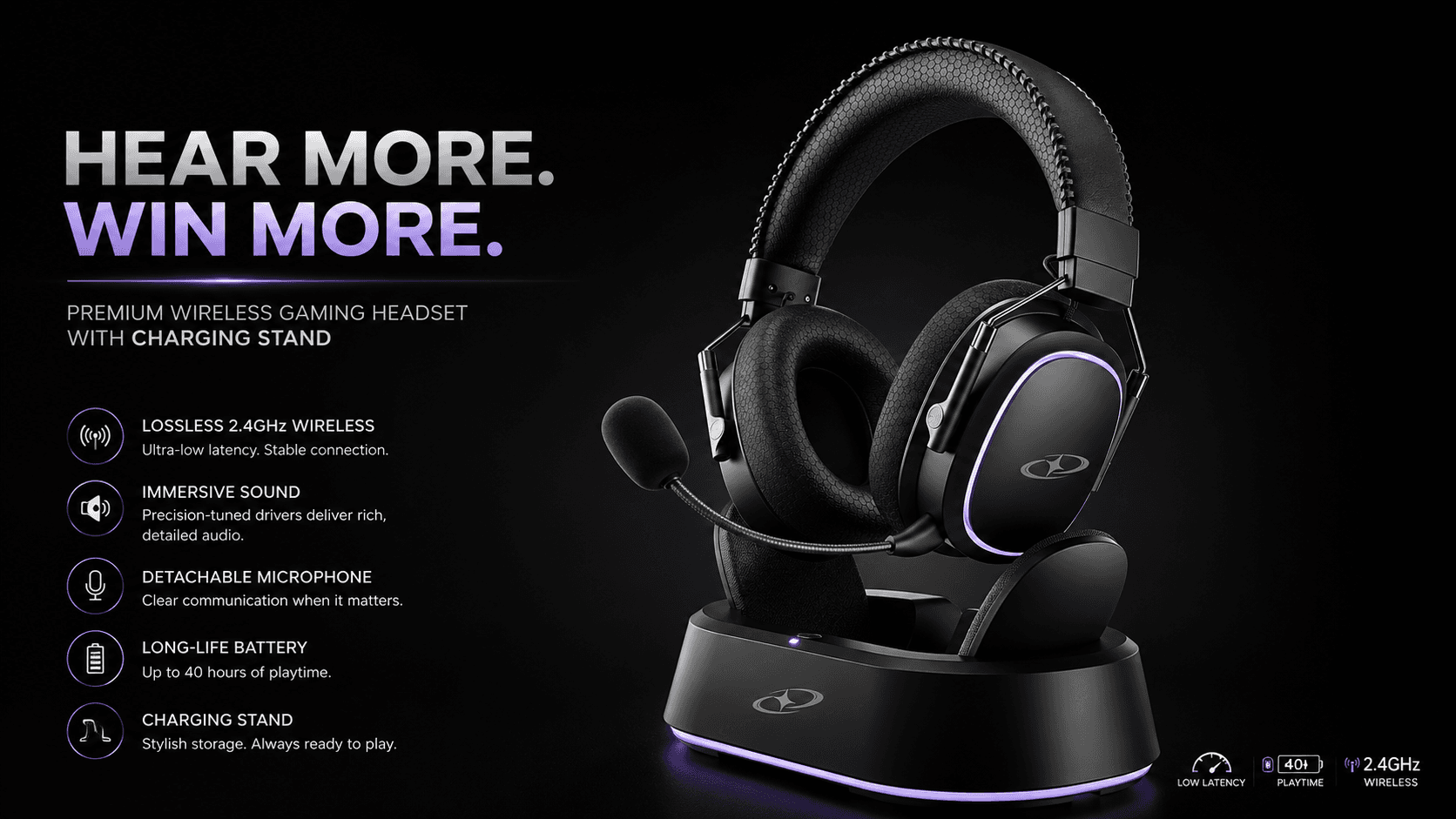
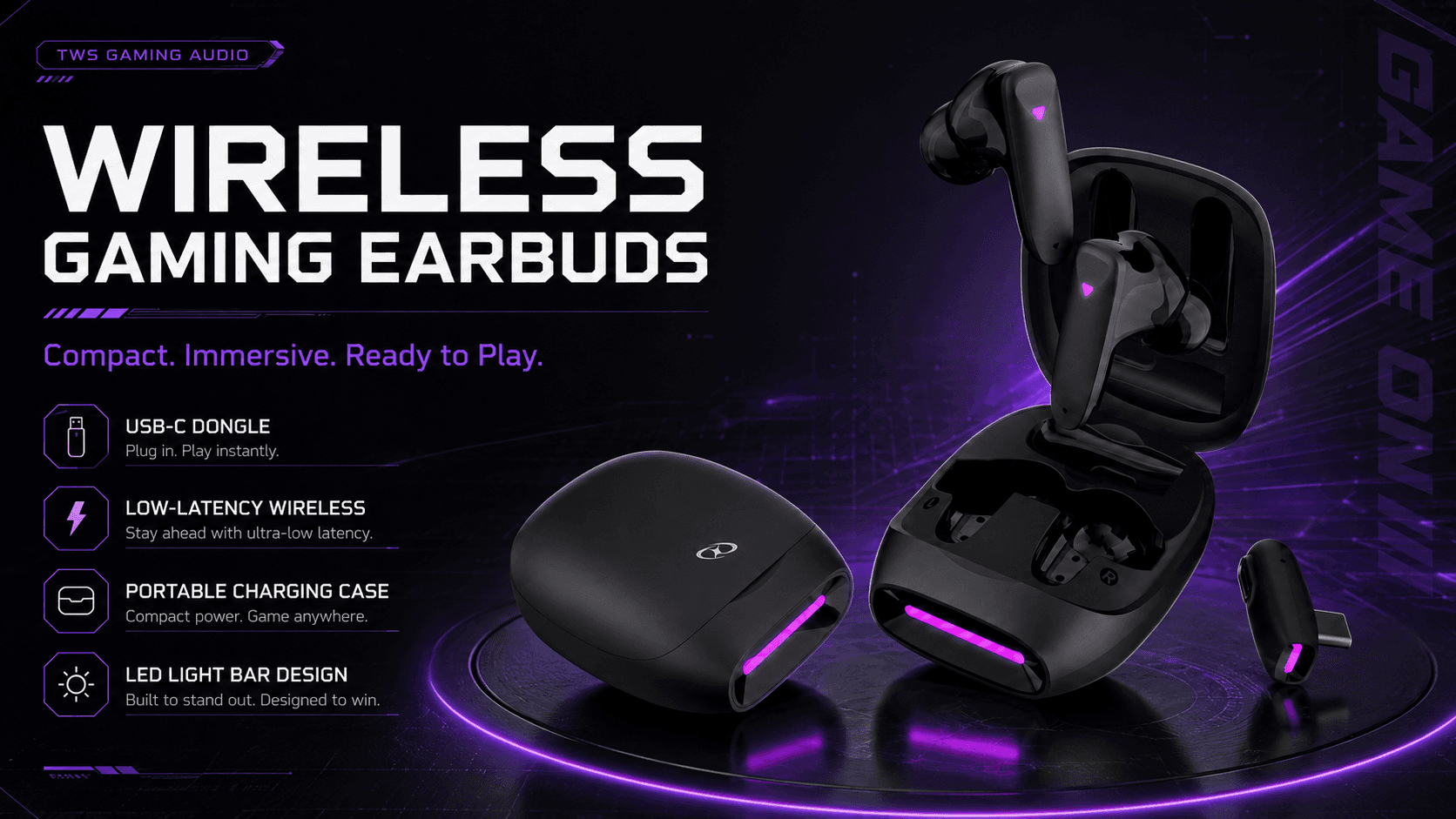
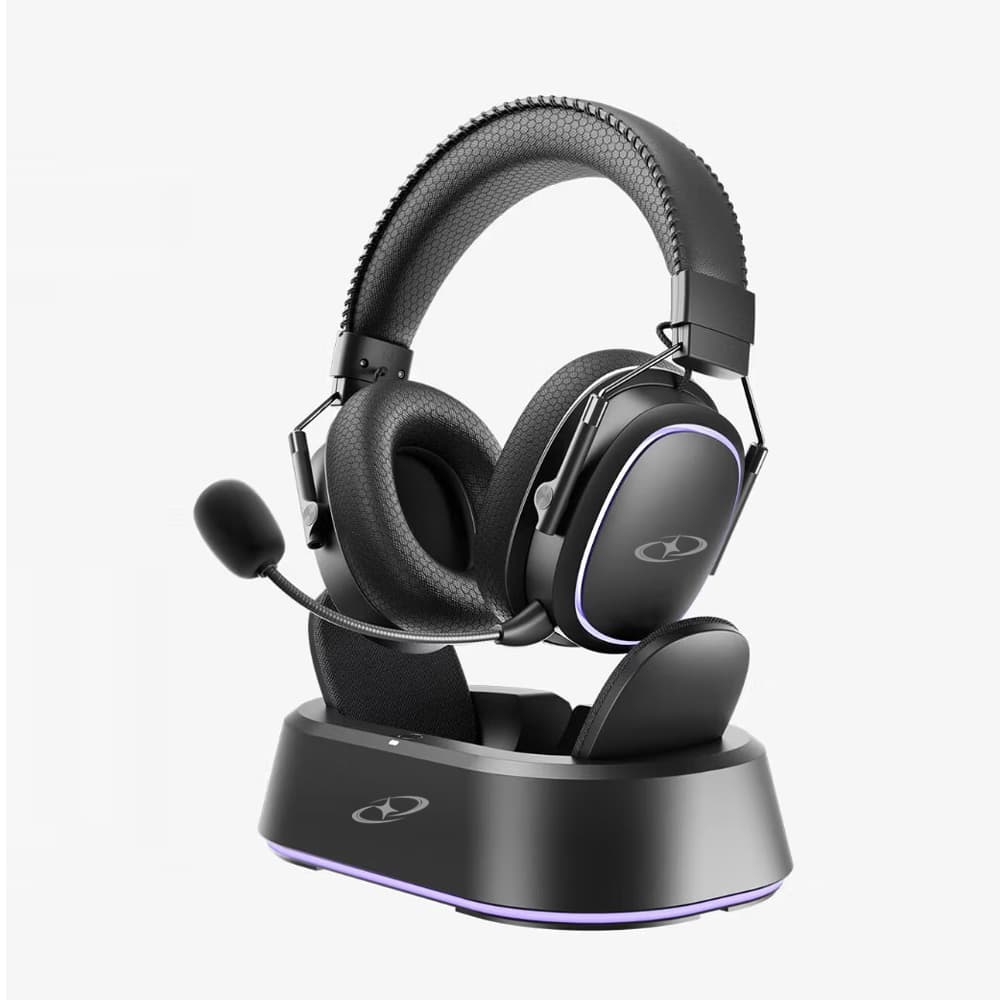
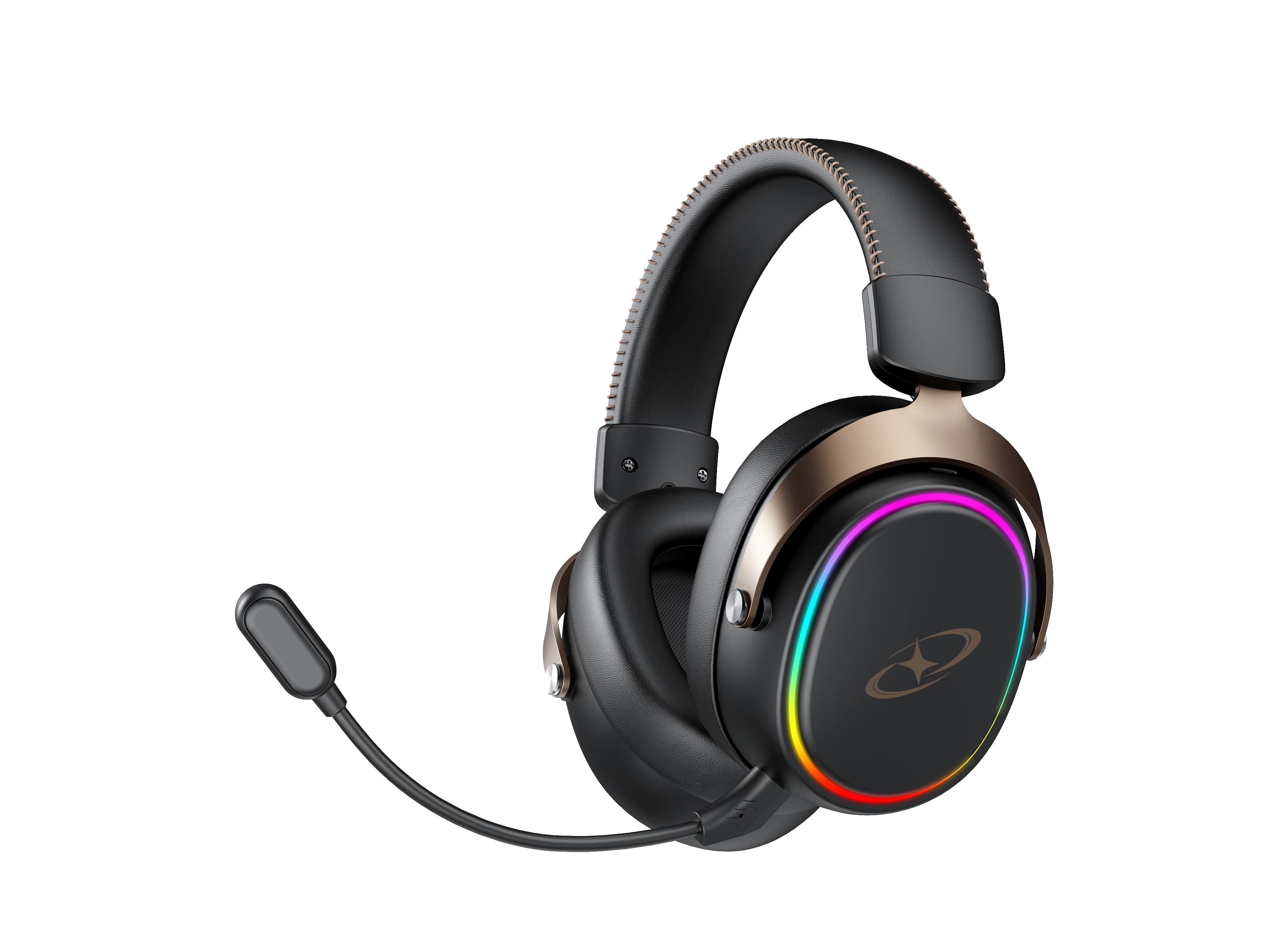
When a growing gaming brand begins working with an OEM manufacturer, the first project is rarely only about buying products. Before a commercial order, the buyer needs evidence that the products fit the intended users, price positions, brand identity, and future portfolio. In this project, the customer was a growing gaming peripherals brand from Türkiye planning entry, mid-range, and premium segments. Its first-stage goal was to test products, create content, gather feedback, validate positioning, and decide which SKUs deserved further development. MACH discussed the target market, price segments, visual identity, future customization, and commercial strategy before recommending three gaming-audio platforms: G10 gaming earbuds, the G946 wireless gaming headset with a charging base, and the G950 wireless gaming headset. The samples gave the buyer distinct formats to evaluate instead of minor variations of one idea. OEM samples are not simply a function check; they help a brand decide whether a product belongs in its portfolio and what must change before packaging or mass production.
Client Requirement
What The Buyer Needed
The buyer's challenge was building a useful evaluation set while controlling the cost and uncertainty of early customization. The planned range covered several price tiers, so product quality, sound, microphone quality, wireless stability, latency, comfort, materials, battery performance, design, brand presentation, and positioning all mattered. The brand also wanted a clean, minimal, premium identity. Logo placement, size, proportion, metallic appearance, and balance across different surfaces had to be reviewed before sample production. The initial preference was a three-dimensional, chrome-like, slightly raised logo. MACH's engineering evaluation found that this was technically possible but would require dedicated tooling or a custom mold. That commitment could make sense after validation, but it added disproportionate cost and time during market testing. The project therefore needed a branding method that expressed the premium direction without forcing premature tooling. Coordination was another challenge because G10, G946, and G950 followed different material, PCBA, branding, and final-assembly schedules. Waiting for every sample before communicating would leave the customer with little visibility. Finally, during international transportation and customs clearance, part of the sample shipment was unfortunately lost. The project became a test of both product-development support and the OEM partner's response when an unexpected problem affected the evaluation plan.
MACH Solution
How MACH Supported The Project
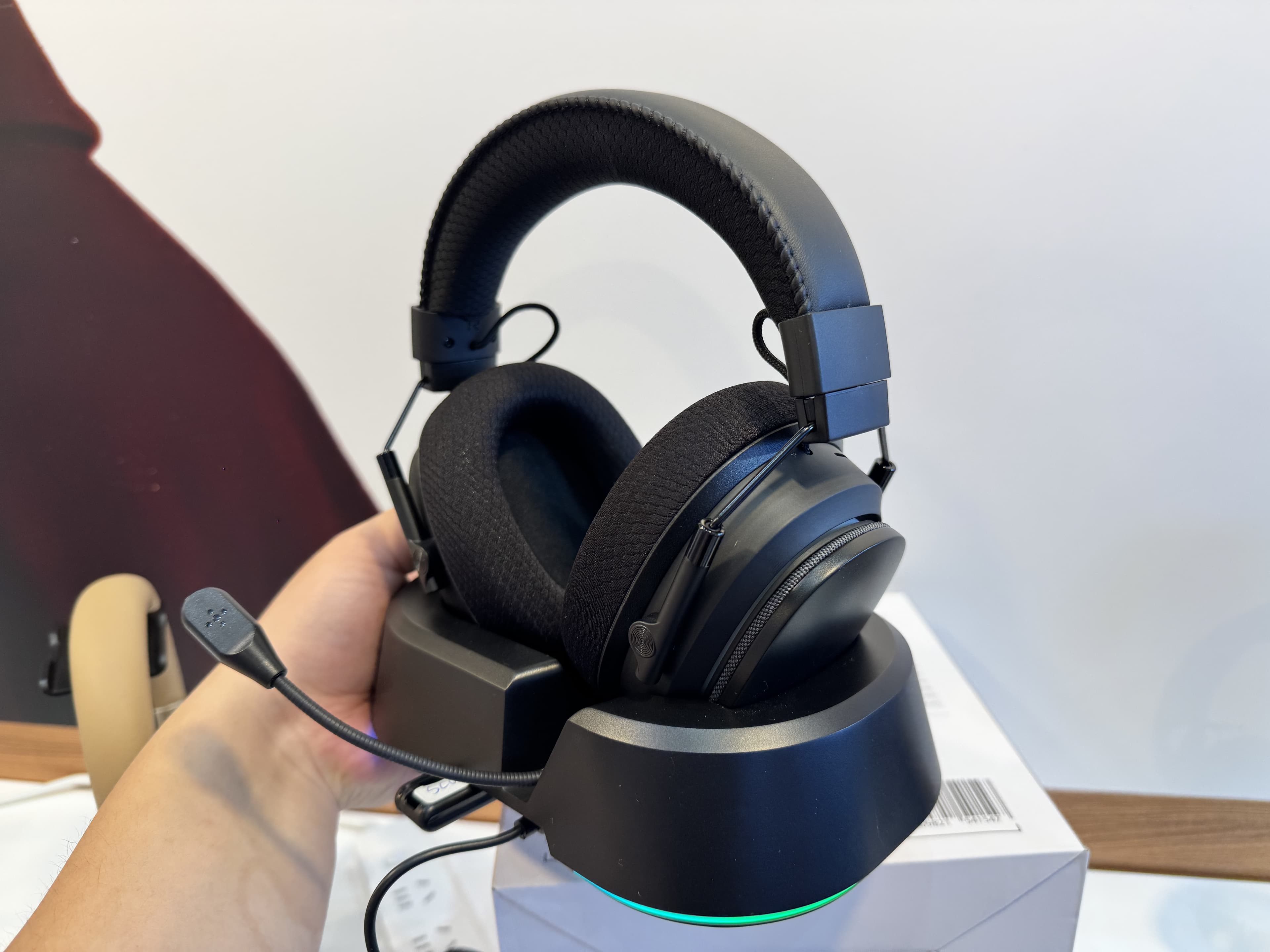
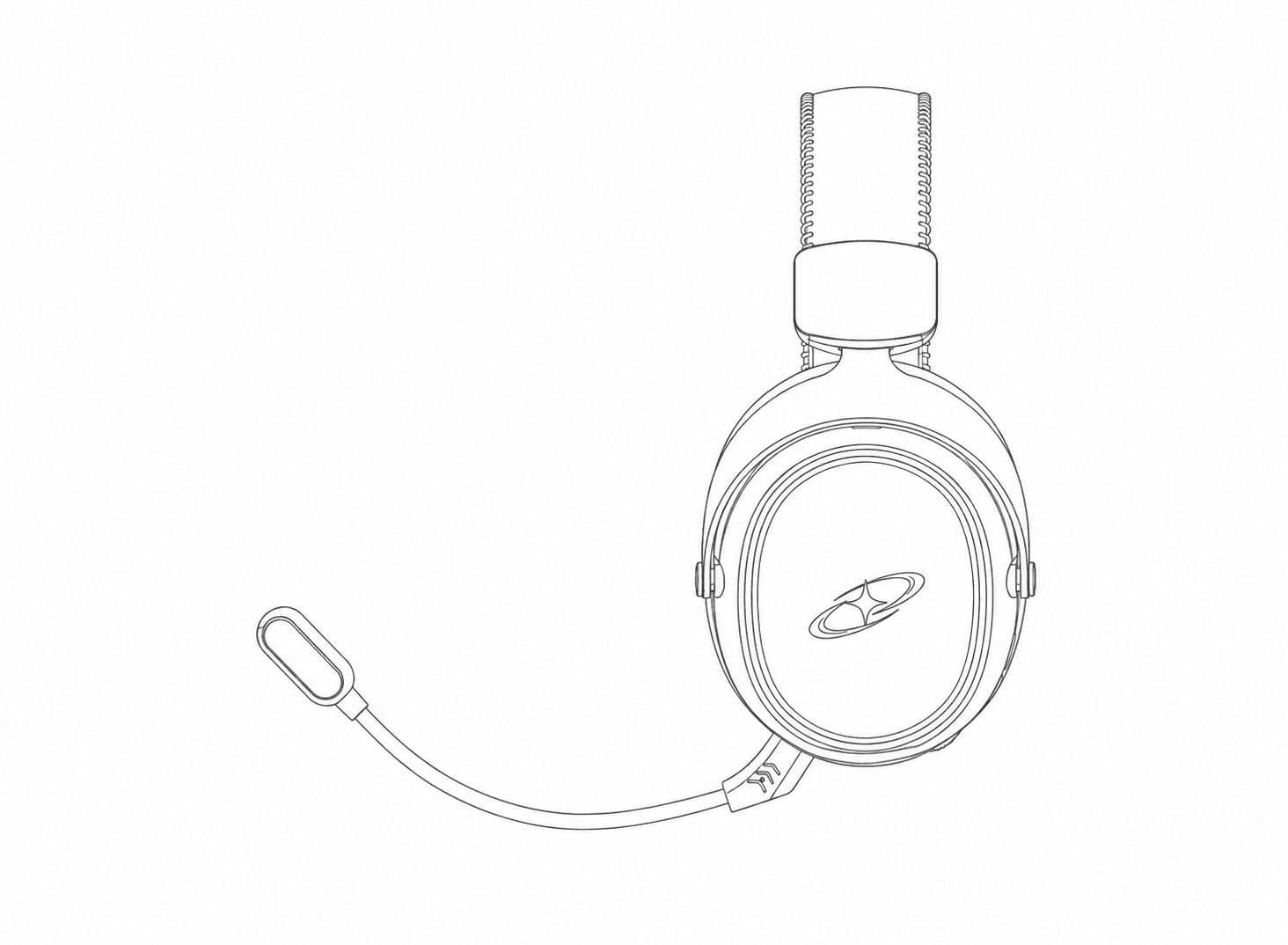
MACH organized the work as a staged decision process. First came product selection. Instead of asking the buyer to choose from a catalog without context, the team used the brand's target users, intended price ladder, commercial objectives, and future customization plans to build a three-product evaluation set. G10 represented gaming earbuds, G950 represented a wireless headset format, and G946 added a wireless headset and charging-base presentation for a more premium desktop proposition. This gave the buyer a useful basis for technical, marketing, and customer-perspective comparison. Next came private label design. To avoid premature tooling for the requested raised chrome-style mark, MACH proposed a metallic silver logo application for first-stage testing. The design team prepared visual proposals so placement, scale, proportion, and overall balance could be reviewed on each model. The working sequence was explicit: Design, Review, Approval, then Sample Production. The customer approved the logo direction for G10, G946, and G950 before the team moved to actual customized samples. This approval gate reduced the risk of producing branded samples that the customer would be forced to accept after the fact. During development, MACH treated communication as part of project delivery. Because the models did not finish simultaneously, the team shared progress by product rather than waiting for the complete set. G946 was completed first, followed by G950 and G10. As each model became ready, the customer received an update and photographs of the actual customized sample for confirmation. That cadence made the remaining work visible and helped the buyer plan its own evaluation. Before dispatch, MACH also prepared specification sheets for all three products. The documents allowed the customer to review key specifications, functions, wireless modes, battery information available for each model, and technical configuration before physical testing. The intended evaluation covered product quality, sound, microphone performance, wireless stability, latency, comfort, materials, battery behavior, design, and overall user experience. In other words, the sample package was structured to support a commercial decision, not only to demonstrate that the products switched on. When part of the shipment was lost during international transportation and customs clearance, MACH contacted the forwarder and customs-clearance agent, reviewed shipment records, and followed the missing goods. After it became clear that the missing products could not be recovered, MACH chose a customer-focused resolution. Although the event also created a loss for MACH, the customer had arranged the project through MACH and should not be left to carry the product loss alone. MACH therefore offered compensation equal to 100% of the missing sample product value, with the customer able to choose either a direct refund or credit toward a future production order after completing the remaining tests. The response did not depend on blaming a logistics party. It focused on preserving the customer's project and providing a concrete, reasonable choice.
Product Highlights
What The Buyer Needed To Validate Before Selecting Launch SKUs
Customization Scope
Private Label Design, Approval And Sample Scope
Manufacturing Support
From Sample Review To Mass Production
Result / Outcome
A Customer Project Protected Through Product And Service Decisions
This project reinforced a practical lesson about supplier evaluation. A manufacturing partner should help the customer make better decisions, reduce avoidable commitment, communicate clearly, and respond constructively when an unexpected event interrupts the plan. The three-product strategy let the customer compare gaming earbuds, a wireless headset, and a charging-base headset proposition across potential price positions. Metallic silver branding preserved the desired premium direction while postponing dedicated logo tooling until the concept was validated. Model-by-model updates and specification sheets gave the brand a framework for technical and commercial testing. The logistics event was not the desired outcome, but the after-sales response protected the customer from carrying the missing product value alone. The buyer indicated that it valued MACH's professional handling and expected to discuss the next stage after testing. For a growing brand, a first project is simultaneously product, supplier, market, and brand validation. If the evaluation supports a launch, the next steps can include final specifications, packaging, commercial-order planning, additional customization, and mass production. Trust is often built most clearly when a problem occurs: through response speed, transparent communication, fair responsibility, and a remedy the customer can actually use.
Inquiry CTA
Looking for a gaming audio OEM/ODM partner?
Share your target market, price positioning, product categories, branding direction, sample objectives, and future production plan. MACH can help evaluate gaming headsets, low-latency wireless gaming audio, gaming earbuds, private label customization, packaging, and OEM/ODM production requirements.