Home > Resources > OEM Knowledge
How to Plan Shared Tooling for a Multi-Character IP Gaming Headset Collection
A buyer guide to using one core gaming headset platform, shared molds and controlled interchangeable parts across multiple character-themed SKUs.
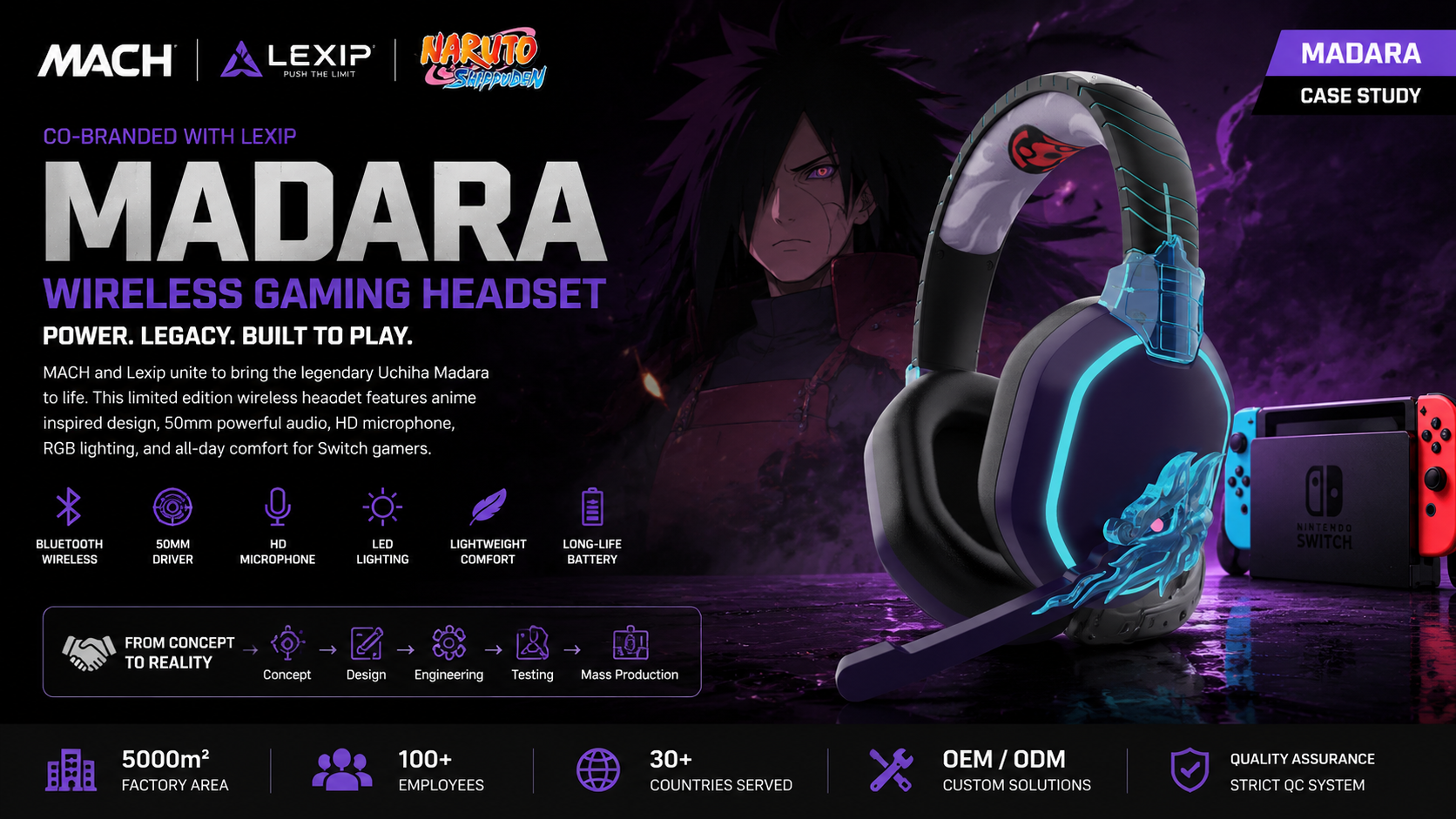
Gaming brands can develop a multi-character headset collection more efficiently by freezing one validated core platform and limiting each character SKU to controlled variant parts, colors and decorations. The tooling plan must distinguish shared functional components from interchangeable identity components, then define cavity strategy, interfaces, part coding, line clearance, quality standards and change control. Shared tooling lowers duplicated development only when variant separation and assembly compatibility are engineered from the beginning.
The MADARA France OEM project provides a practical reference. Its product documents cover a common Bluetooth headset architecture used across themed versions, with shared structural, electronic and acoustic parts plus variant colors and decorative components. The specification explicitly records three styles requiring interchangeable assembly and a runner-gate approach for variant decoration tooling. This article turns that evidence into a sourcing method rather than repeating the existing MADARA character-concept article.
Why IP Headset Collections Need a Platform Strategy
A collection strategy keeps acoustics, electronics, fit and core structure stable while concentrating character identity in a controlled set of visible parts and processes.
Developing every character headset as a separate product can duplicate engineering, tooling, certification preparation, fixtures and quality work. At the other extreme, changing only a logo may not create enough visual distinction. The platform decision defines the useful middle ground.
Core parts normally carry function and reliability: headband mechanics, ear-cup structure, PCB, battery, controls, speaker system, microphone interface and charging architecture. Variant parts carry identity through form, color, transparent decoration, graphics, headband artwork, trim and packaging. Exact boundaries depend on the approved design.
A procurement team should measure platform value by controlled reuse, not simply mold count. Reuse is valuable when each variant still assembles correctly, preserves performance and remains easy to identify through production and logistics.
| Architecture layer | Typical scope | Approval question |
|---|---|---|
| Shared core | Structure, electronics, acoustic and wearing system | Can it remain unchanged across SKUs? |
| Interchangeable parts | Decorative covers, themed ornament and selected trim | Are interfaces and tolerances common? |
| Process variants | Molded color, paint, print, texture and transparency | Can one part number safely support variants? |
| Retail variants | Artwork, manual, barcode and accessories | How is SKU mixing prevented? |
MADARA France OEM Project Overview
MADARA was a France-market Bluetooth gaming headset OEM project combining shared platform engineering with character-specific CMF, decorative parts, lighting, packaging and production controls.
The project served a gaming brand, importer and distributor, with prototype, tooling, certification, trial-production and mass-production stages. MACH support included industrial design, structure, PCB, RF, acoustic, tooling, QC and production coordination.
Public records describe Bluetooth wireless positioning, 50mm speakers, 32-ohm impedance, 118dB SPL specification, a 1000mAh 3.7V battery, detachable microphone, USB-C charging and audio integration, RGB or LED details and lightweight-comfort direction. These confirmed elements form the functional context; this guide does not extend them into unverified performance claims.
The material and tooling file identifies PP headband, POM extension arms, ABS covers and shells, PC decorative parts, PVC ornament, PU cushions, steel structure, light boards and guides. Several core molds are shared, while a three-style decorative-part arrangement is designed for interchangeable assembly. The technology report assigns different material colors and surface processes to themed variants on the common architecture.
| Project layer | MADARA direction | Collection implication |
|---|---|---|
| Core platform | Bluetooth headset structure and electronics | Reuse validated functional architecture |
| Shared tooling | Headband, arms, covers, shells and microphone parts | Control common interfaces and revisions |
| Variant identity | Colors, transparent PC, graphics and ornament | Release separate visual specifications |
| Interchangeability | Three decorative styles assembled to common platform | Validate fit and mix prevention |
| Retail release | Variant packaging and labels | Keep BOM and barcode tied to character SKU |
Buyer Challenge: Shared Tooling Can Create Shared Risk
A common platform reduces duplication but increases the impact of interface errors, uncontrolled revisions and mixed character components.
When one mold or component serves several SKUs, a defect or late change can affect the complete collection. A modification made for one decorative cover may alter fit, lighting or assembly on other versions. Buyers need a platform-level change review instead of approving each SKU in isolation.
Visual similarity can also create line risk. Parts may share geometry while differing only in resin color, print, paint or label. Without distinct part codes, trays, fixtures and line-clearance rules, a correct component can enter the wrong character package.
Commercial forecasts add another challenge. Character demand is rarely equal. A shared mold may improve flexibility, but variant-specific secondary processes and packaging still create separate minimums, lead times and inventory. Tooling strategy must be evaluated with the SKU forecast, not only engineering feasibility.
One Core Platform, Multiple Character SKUs: Where to Standardize and Where to Differentiate
Standardize parts that protect function and user fit; differentiate parts that deliver recognizable identity without destabilizing the validated system.
Begin with the non-negotiable functional baseline. The speaker, acoustic cavity, PCB, antenna environment, battery fit, controls, microphone connection, headband adjustment and ear-cushion interface should not change merely to create a new character colorway. A proposed visual change near these zones requires engineering review.
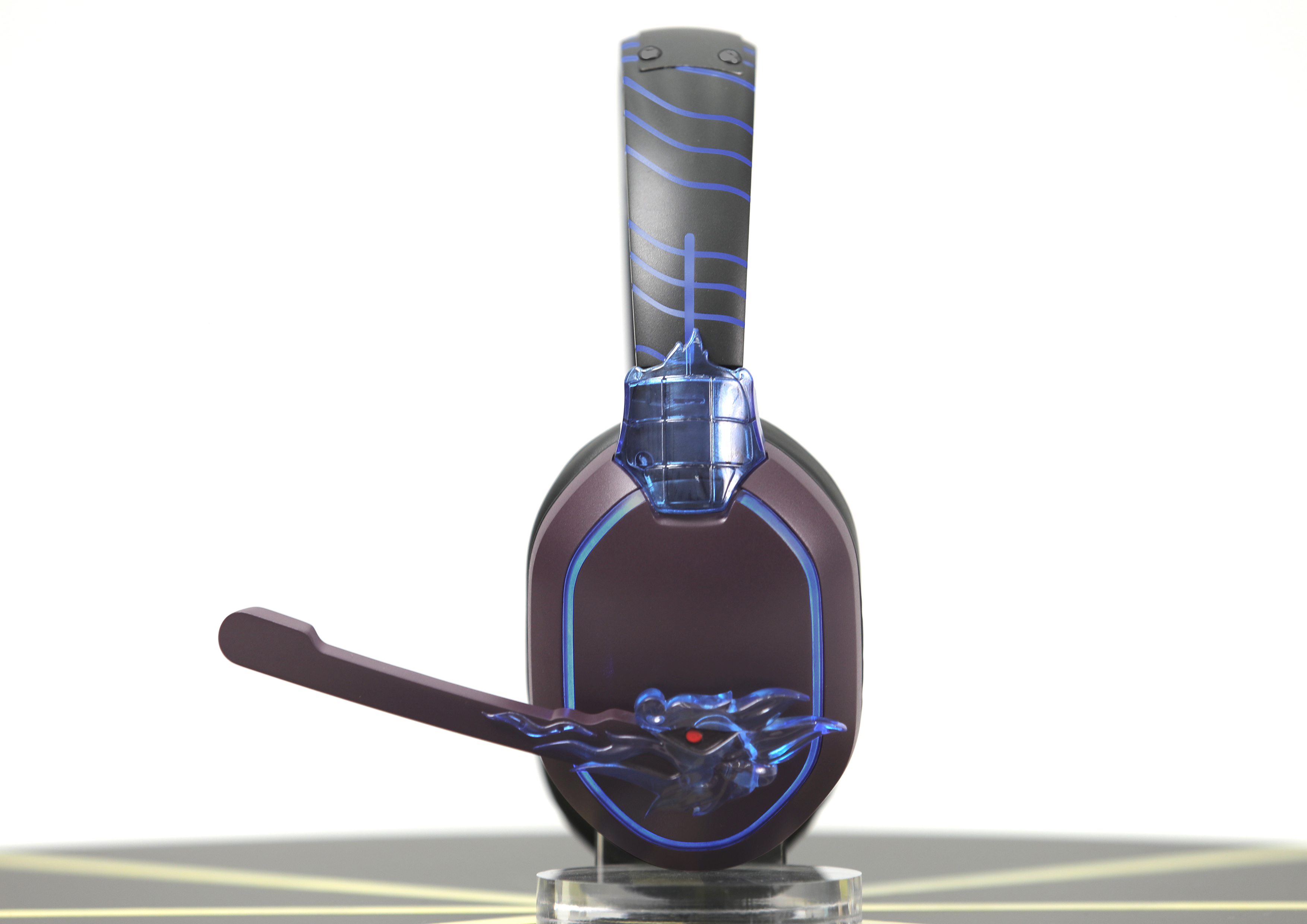
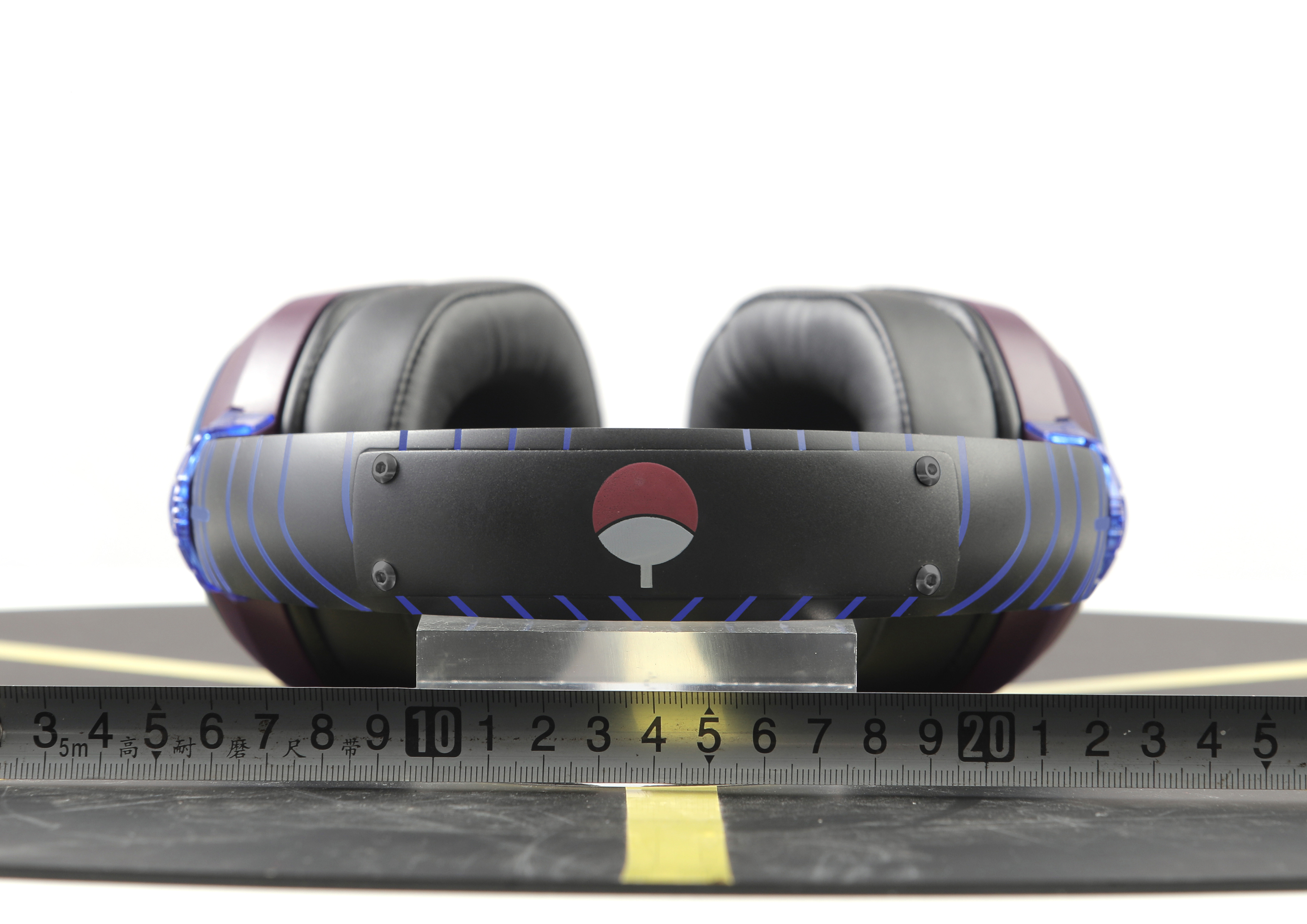
Next identify high-value identity zones. MADARA project documents use headband decoration, colored and transparent PC, themed covers, graphics, paint, printing and light details. These areas can create meaningful distinction while retaining the core wearing and electronics platform.
Classify every part as shared unchanged, shared with process variants, interchangeable geometry, or unique tooling. Shared unchanged parts use one released BOM reference. Process variants need separate suffixes and visual standards. Interchangeable parts need common datum and tolerance requirements. Unique tooling needs its own cost, schedule, maintenance and validation plan.
Do not force reuse when identity or manufacturability suffers. A graphic that needs impossible depth, an ornament that conflicts with draft angle, or a transparent effect that exposes internal structures may justify a new part or an approved visual alternative. The MADARA-family specification records feasibility questions where molding or flat printing could not recreate illustrated relief.
Approve character identity at assembly level. A variant is not complete when loose colored parts pass inspection. Adjacent colors, shared black structure, translucent pieces, illumination, logo orientation, headband artwork and packaging must form one coherent SKU.
Plan the collection sequence. Launching a shared core first can stabilize function before all decorative variants scale, but every retail SKU still needs production-intent approval. A later character should inherit only the released common baseline and must not silently inherit unapproved artwork or process exceptions.
Finally, separate engineering reuse from legal authorization. Shared tooling does not grant rights to reuse character artwork. The buyer remains responsible for authorized assets, territories, usage scope and approval workflows for every variant.
| Part class | Engineering rule | Commercial effect |
|---|---|---|
| Shared unchanged | One controlled specification | Maximum reuse and forecast pooling |
| Shared geometry/process variant | Separate color or finish suffix | Reuse mold, manage secondary-process minimums |
| Interchangeable identity part | Common interface, unique visible design | Strong differentiation with controlled assembly |
| Unique structural part | Independent tooling and validation | Higher distinction, cost and schedule |
Technical Deep Dive: Cavity Planning, Runner Gates and Interchangeable Interfaces
Tooling architecture must connect cavity layout and gating with dimensional interfaces, visible quality, variant demand and maintenance.
The MADARA-family specification lists molds for the PP headband, POM extension arms, ABS sheath covers, PC decorative covers, ear shells, face covers, light guides, cavity covers, buttons and microphone parts. It also records three decorative styles requiring interchangeable assembly and a runner-gate solution. This is a manufacturing decision, not merely a graphic change.
Cavity planning determines which parts are produced together. Family molds can reduce tooling duplication, but linked cavities may produce an unwanted ratio when character demand differs. Runner shutoff or changeable routing can add flexibility, subject to mold engineering. Buyers should ask which cavities can run independently, what balance is required and how output is identified.
Gates and parting lines influence both appearance and assembly. Gate position affects trimming, flow marks and local stress. Parting lines, ejector marks and texture transitions should stay away from critical visible zones and mating surfaces. A decorative IP part can be visually unacceptable even when dimensions pass.
Interchangeability requires common datums, clip geometry, clearance, retention force and assembly sequence. Validate each themed part on production-intent shared housings, including repeated assembly where service replacement is expected. Color or coating thickness must not alter clip engagement or create gaps.
Transparent and illuminated parts add optical interfaces. Resin color, wall thickness, texture, laser treatment, LED position and internal clearance should remain controlled when a shared light system serves several variants. Each SKU needs lit and unlit approval.
Tool maintenance and revisions belong in the collection plan. Record mold number, cavity, insert, revision and approved variants. Repair or polishing can change texture, flash, dimensions or optical appearance. Revalidation scope should consider every SKU using the affected cavity or interface.
OEM/ODM Development Process for a Headset Collection
Develop the shared platform once, but validate identity, process and retail configuration for every character SKU.
Concept planning defines authorized characters, target markets, SKU count, forecast, retail position and common product requirements. Industrial design then separates shared architecture from character-specific zones and creates a part-classification matrix.
Engineering reviews structure, electronics, RF, acoustics, battery, microphone, lighting, materials and process feasibility. Tooling design confirms cavities, inserts, gates, interfaces, texture and variant strategy. Prototype work validates fit and function before production-intent CMF assemblies are approved.
Testing and compliance planning follow the final configuration and destination. Shared evidence may be useful only where model coverage and unchanged construction are documented; each buyer must verify scope rather than assume one file automatically covers every variant.
Pilot production checks tooling behavior, process yield, interchangeability, line clearance, variant coding, packaging and OQC. Mass production then uses released BOMs, artwork, samples, work instructions and change-control rules.
Manufacturing and Quality Controls for Variant Production
Collection-level manufacturing needs both common-platform controls and SKU-specific identity controls.
Incoming control verifies shared materials and variant-specific resin, paint, ink, labels and decorations. In-process control identifies mold, cavity and process revision, while assembly stations separate character components through coded containers and clear work instructions.
Functional checks remain common where the released platform is unchanged: controls, charging, wireless operation, microphone, speaker, lighting and mechanical adjustment. Visual checks use the correct SKU master for color relationships, graphics, transparency and left-right orientation.
Packing is the final variant gate. Headset, microphone, accessories, manual, barcode and retail box must refer to one character SKU. A correct product in the wrong box is a release failure even when both items independently pass inspection.
Buyer Checklist Before Tooling Approval
A sourcing brief should describe both the shared platform economics and the identity requirements of every planned SKU.
- Authorized character list, territories and artwork files
- Target users, channels, markets and launch sequence
- SKU forecast by character rather than collection total only
- Shared functional specification and protected engineering zones
- Part classification: shared, process variant, interchangeable or unique
- Mold cavity, insert, runner and output-ratio strategy
- Common interface datums and tolerance plan
- Variant material, color, finish and lighting specifications
- Master samples and SKU-specific inspection criteria
- Part coding, trays, fixtures and line-clearance controls
- Testing and certification scope by final configuration
- Packaging, manuals, labels, barcodes and accessories by SKU
- Tool ownership, maintenance and change-notification rules
- Target cost, tooling budget, sample stages and schedule
Conclusion
Shared tooling creates value when a validated core platform and controlled identity modules support several distinct, traceable retail SKUs.
MADARA shows how character differentiation can coexist with common headset architecture. Its project records connect shared molds and functional parts with variant materials, colors, transparent decoration, artwork and interchangeable themed components.
Buyers should freeze platform boundaries, classify parts, review cavity economics, validate interfaces, approve each assembled SKU and prevent mixing from molding through packaging. This turns a collection idea into a reproducible manufacturing system.
MACH industry can evaluate authorized IP headset projects and coordinate industrial design, structure, tooling, CMF, electronics, samples, quality and production according to the confirmed scope.
Launch Faster With a Reliable OEM Partner.
Share your authorized character plan, SKU forecast, headset requirements, tooling scope, markets and launch schedule with MACH industry.
Discuss Your Headset CollectionFrequently Asked Questions
What is shared tooling for an IP gaming headset collection?
It is a tooling strategy in which several character SKUs use controlled common molds and interfaces while selected parts, colors and decorations create distinct identities.
Which gaming headset parts should normally remain shared?
Functional structure, electronics, acoustic parts, controls, battery fit and wearing interfaces are strong candidates when visual changes do not require engineering changes.
Which parts can differentiate character headset SKUs?
Projects may use decorative covers, ornaments, headband artwork, molded colors, transparent parts, prints, paint, lighting details and packaging, subject to feasibility.
Can family molds reduce gaming headset tooling cost?
They can reduce duplicated molds, but cavity ratios, runner control, inserts, maintenance, forecast imbalance and variant-specific processes must be evaluated.
How are interchangeable headset parts validated?
Check common datums, clips, gaps, retention, repeated assembly, coating effects, lighting and appearance on production-intent shared housings.
How do factories prevent mixed character parts?
Use distinct part codes, color and process suffixes, coded trays, fixtures, work instructions, line clearance, SKU masters and final pack-out checks.
Does one certificate automatically cover every themed variant?
No. Coverage depends on the document, model list, construction changes and destination requirements; final scope must be verified.
When should a character headset use unique tooling?
Unique tooling may be justified when identity needs new geometry or when shared parts cannot achieve the authorized design without unacceptable compromise.
What forecasts are needed before family-tooling approval?
Provide quantity and timing by character SKU, not only a collection total, because cavity output and secondary-process minimums may differ.
What should brands send MACH for a headset collection RFQ?
Send authorized artwork, SKU plan, forecast, functional requirements, shared-versus-unique preferences, markets, packaging, budget and schedule.
Related Resources
Need OEM/ODM gaming audio solutions?
Contact MACH Industry to discuss your gaming headset, gaming earbuds, or private-label audio project.
Contact MACH Industry